AIDN’s core ethos is ‘more’ and ‘better’ global giving and we seek to foster an environment for the discussion and exploration of how we define these terms in an ever-changing international development ecosystem. Alongside our events, webinars and resources, The AIDN Beat is a key way to achieve this goal.  The AIDN Beat strives to keep up with the rhythm of the international development sector and cover a broad range of subjects: from innovative development financing, to leading case-studies of programs on-the-ground, to the need for a genuine commitment to localisation.

We are also deeply committed to amplifying diverse voices. Consequently, we accept submissions to The AIDN Beat – so that our dynamic network can shape the discussion too. If you would like to submit content for The AIDN Beat, then we would love to hear from you. Get in touch with us (via hannah@aidnetwork.org.au) and we will share our editorial guidelines.


Subscribers of The AIDN Beat will receive a bi-monthly email where we’ll share recent pieces from The AIDN Beat, alongside curated pieces from other international development platforms and provide a recommendation for a relevant text, film or podcast.

If you’re are not currently signed up to receive The AIDN Beat or our newsletter, you can do so by filling in the form below.

Sign Up

to receive the latest AIDN news to your inbox

NEWS & RESOURCES

Latest Stories and Developments
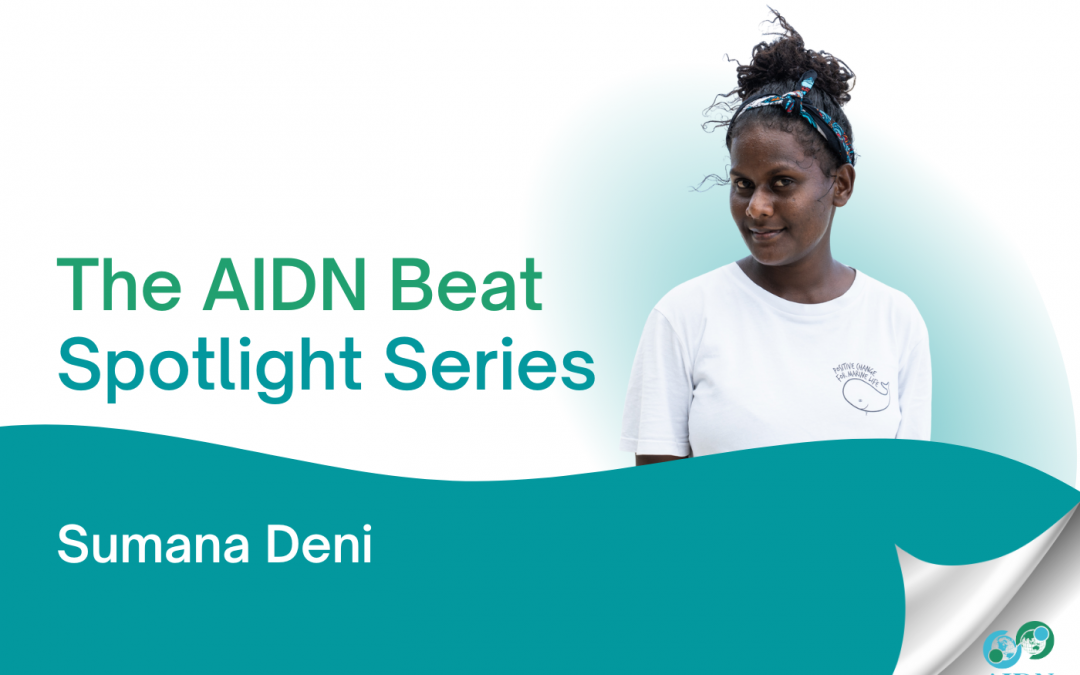
AIDN Beat Spotlight – Sumana Deni

AIDN Beat Spotlight – Sumana Deni

Through The AIDN Beat Spotlight series we hope to highlight a diverse range of sector experts and learn more about their journey in the international development sector. Meet Sumana Deni: Waste to Wealth and Community Engagement Coordinator with Positive Change for Marine Life in Gizo, Solomon Islands.
Unlocking diaspora giving: A new wave of philanthropists.
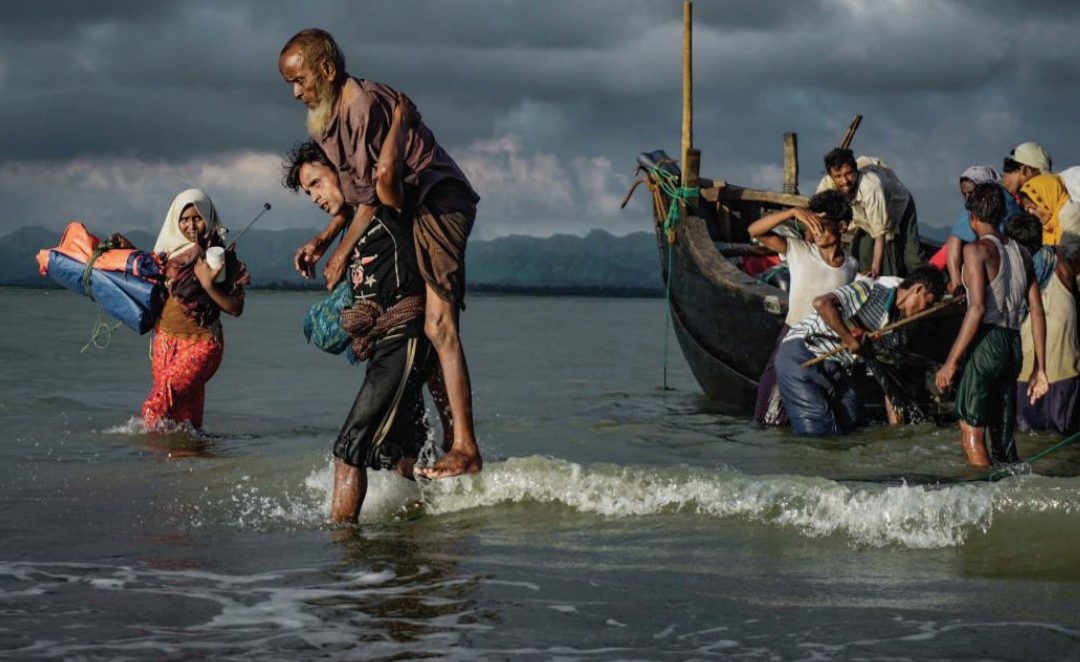
Unlocking diaspora giving: A new wave of philanthropists.

With growing research underscoring the power of diaspora giving, Anita Toy, Founding Executive Director of Myriad Australia, argues it’s time to build the philanthropic structures needed to harness this major source of giving for sustained, high-impact change. It's also time to recognise migrants and diaspora communities as key contributors to global development alongside foundations and major donors.
Global aid cuts are the perfect time to move towards a model of refugee empowerment.
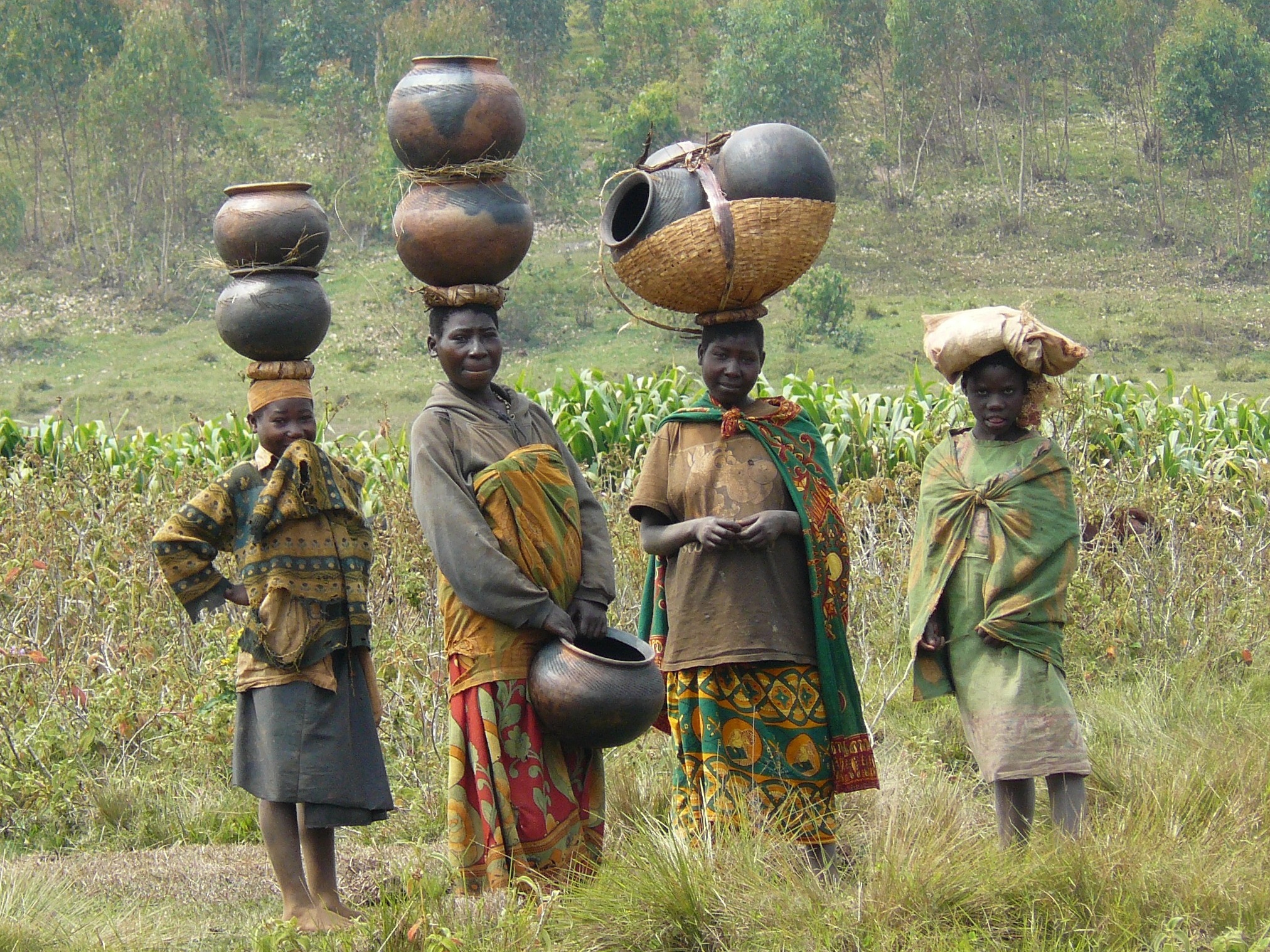
Global aid cuts are the perfect time to move towards a model of refugee empowerment.

Caitlin McCaffrie, Policy Director for Forced Migration at the Centre for Policy Development, provides unique insight into The 2025 Asia Dialogue on Forced Migration (ADFM). This year's ADFM underscored both crisis and opportunity for the global refugee system. On one hand, severe funding cuts. On the other, new policy shifts in Thailand suggest more sustainable, rights-based solutions in the region.
No results found.
For conservation efforts to move forward we must center Indigenous voices and take a human rights-centric approach.

For conservation efforts to move forward we must center Indigenous voices and take a human rights-centric approach.

Mahum Qazi, Communications Assistant at Project Expedite Justice, outlines the tension between international accords that aim to protect the environment and the “fortress conservation model”. Whilst such accords strive to improve planetary health, in practice they can fail to consider how many Indigenous Peoples have fostered healthy ecosystems and can instead lead to human rights violations and land dispossession.
Navigating complexity: the moment that defined how I conduct impact evaluations globally.
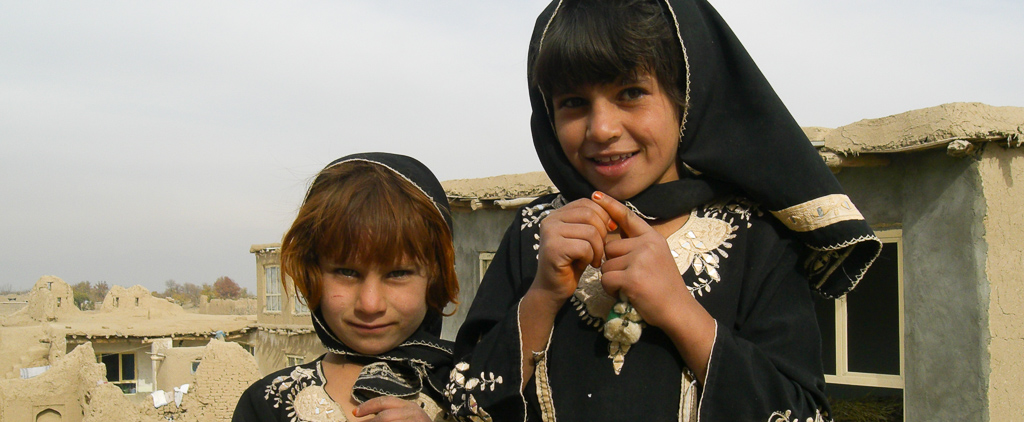
Navigating complexity: the moment that defined how I conduct impact evaluations globally.

Matias Nestore, Research and Evaluation Associate at The Life You Can Save, reflects on a watershed moment that has defined how he conducts impact evaluations globally. Matias argues against simplified monitoring and evaluation practices. Instead, it is critical to implement a qualitative approach to impact assessment that understands participants as active agents with unique circumstances and agency.
Women and girls are facing unprecedented hardship in Afghanistan, but international development organisations can play an important role in continuing to fight for their access to education.
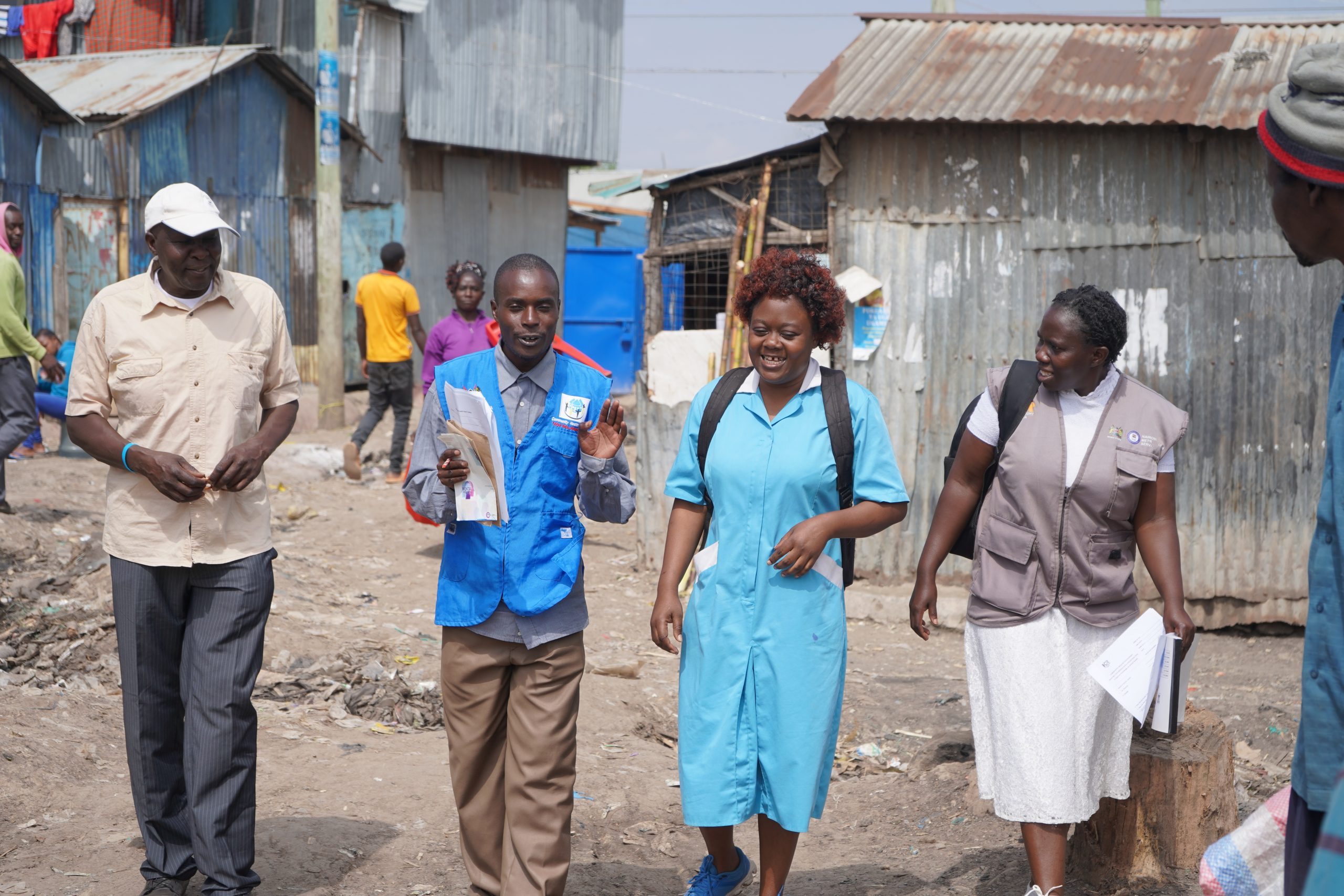
Women and girls are facing unprecedented hardship in Afghanistan, but international development organisations can play an important role in continuing to fight for their access to education.

Jackie Fristacky AM, President of AADO, provides an important update on women and girls’ access to education in Afghanistan. We must continue to support women and girls to achieve, flourish and learn even if it is a slow, multifaceted and complex process.
Field catalysts: driving large-scale change through radical collaboration.
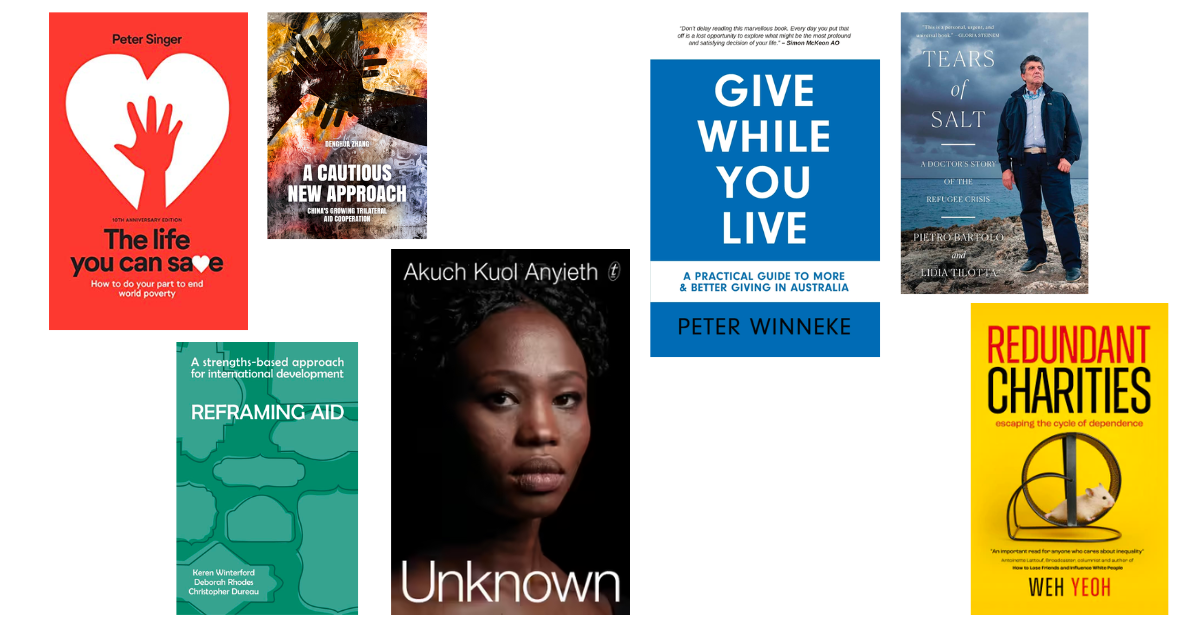
Field catalysts: driving large-scale change through radical collaboration.

In our latest guest contribution to The AIDN Beat, Dr. Madeleine Ballard, CEO of Community Health Impact Coalition, highlights the pivotal role of "field catalysts" for aligning diverse stakeholders towards achieving large-scale systematic change. Dr. Ballard first underscores the need for field catalysts and demonstrates how they operate in practice. Dr. Ballard then finishes by discussing potential replication of this approach and important considerations for funders.
AIDN’s summer reading list 2023

AIDN’s summer reading list 2023

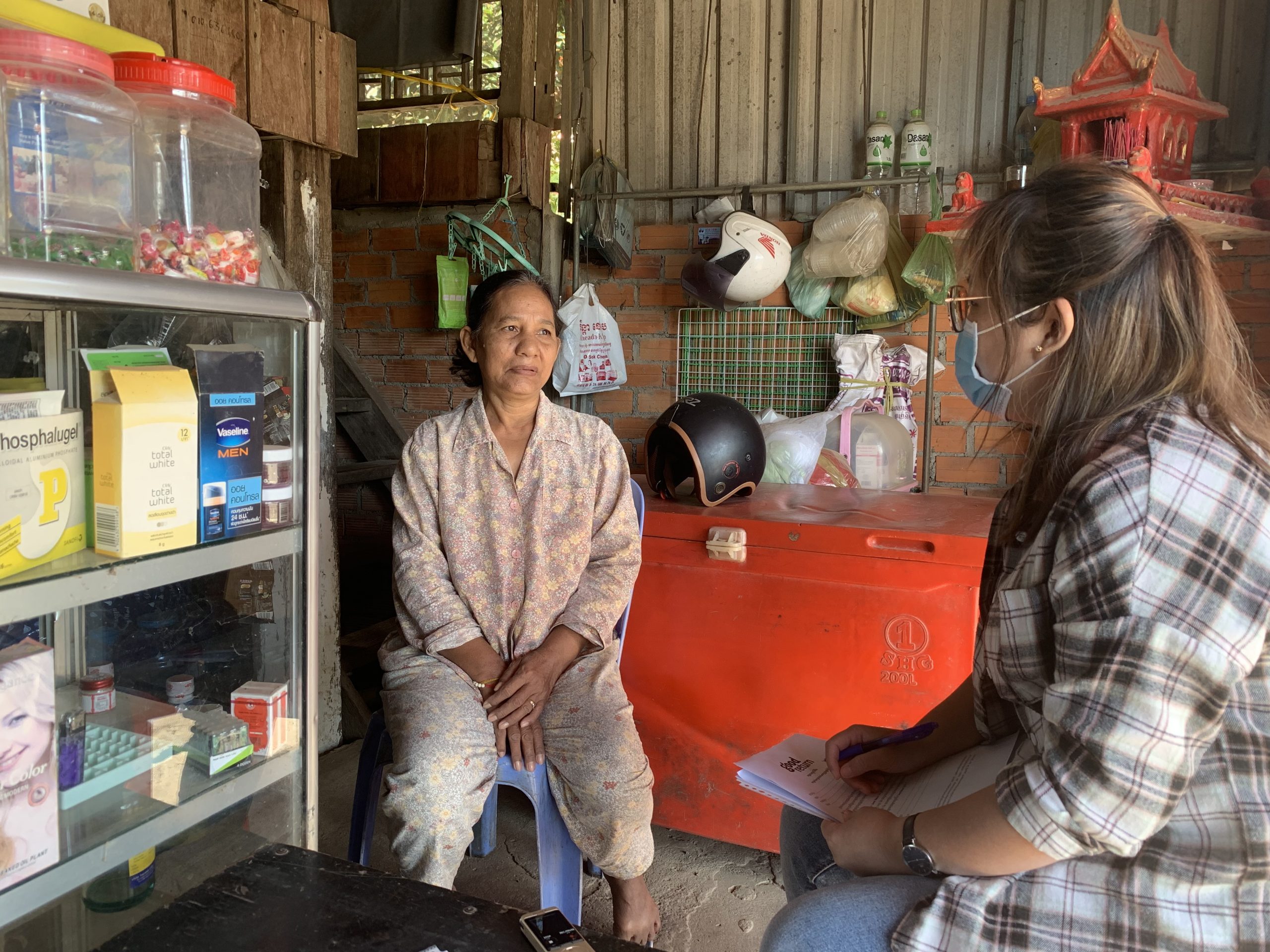
AIDN has compiled an international development and philanthropy themed summer reading list based on our reading recommendations throughout 2023. 
To tackle the biggest challenges of our time it will be critical to leverage both global and local networks and resources.
To tackle the biggest challenges of our time it will be critical to leverage both global and local networks and resources.

Guest author Biheng Zhang, General Manager of The Intrepid Foundation, reflects on the recent earthquake in Morocco, and argues that to tackle the biggest challenges of our time we will need robust networks that leverage global capabilities and resources, alongside critical on-the-ground, local knowledge and action. We will also need to turn to the power of human connection in the face of crises.
Responsible financial inclusion is key to protecting vulnerable clients in the Asia-Pacific region
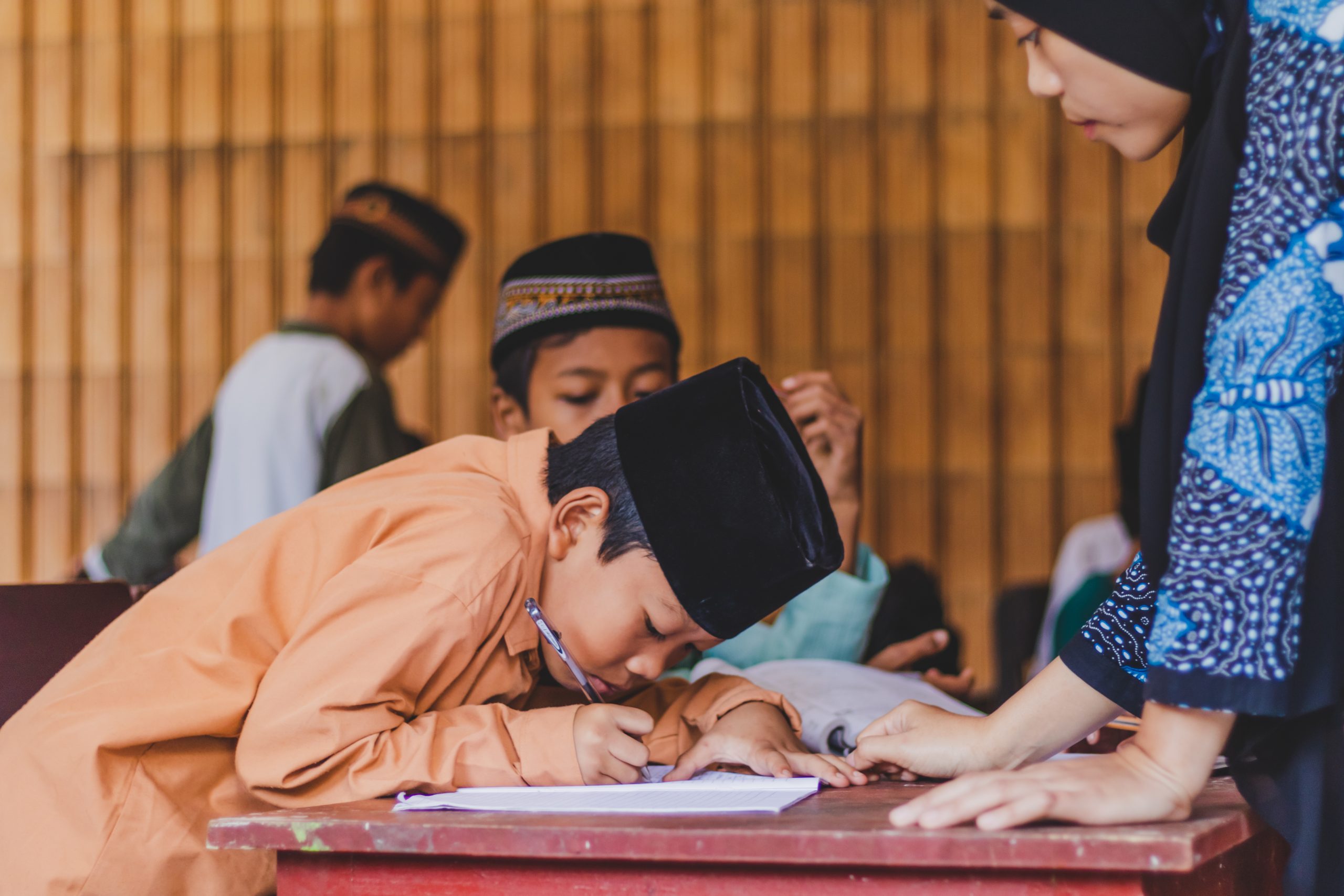
Responsible financial inclusion is key to protecting vulnerable clients in the Asia-Pacific region

In light of recent investigations into the microfinance sector in Cambodia, guest author Shane Nichols, CEO of Good Return, calls for responsible and appropriate financial inclusion practices and principles to protect vulnerable clients in the Asia-Pacific region.
Major innovation in disaster relief rebuilding is underway and helping to improve access to education. However, challenges persist in maximising impact.
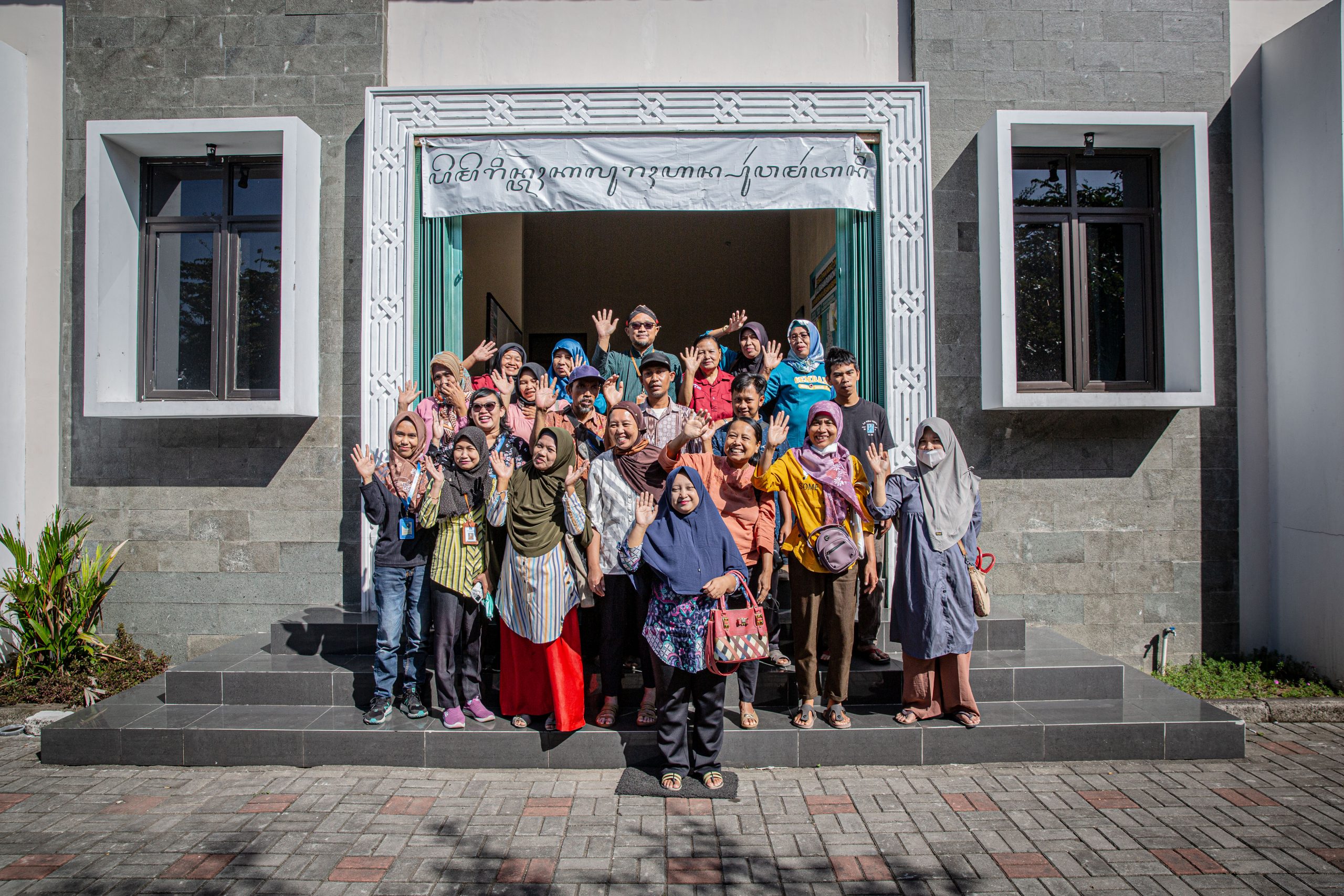
Major innovation in disaster relief rebuilding is underway and helping to improve access to education. However, challenges persist in maximising impact.

Guest author Tanya Armstrong, CEO of Classroom of Hope, highlights how major innovation in disaster relief rebuilding is underway. With a focus on innovative "block technology", sustainable and disaster proof schools are being built and thus improving access to education. However, challenges persist in maximising the impact of this pioneering technology.
DFAT’s new disability equity and rights strategy: An opportunity to shift the dial.

DFAT’s new disability equity and rights strategy: An opportunity to shift the dial.

Guest author Jane Edge, CEO of CBM Australia, highlights the upcoming opportunity for Australia's “Disability Equity and Rights Strategy” to be ambitious, accountable and resourced.
No results found.