About AIDN
AIDN’s vision is for Australia to be contributing more to developing countries through foreign aid, private capital, impact investing and corporate giving.
OUR ORIGIN STORY
The Manifesto that started it all and still guides us today
In 2018, a group of Australian philanthropists, investors, and development practitioners came together around a shared belief: that Australians could and should be doing more to support communities abroad. What they produced was a manifesto for action, calling for more and better international giving and impact investing from the private sector.
That document became the founding vision for AIDN. It laid out the case for why the moment mattered, the barriers holding Australian giving back, and what a coordinated network could do to change that. It still does.
GIVING LANDSCAPE
A peak in global inequality greatly increases the opportunity for Australians to help support communities abroad
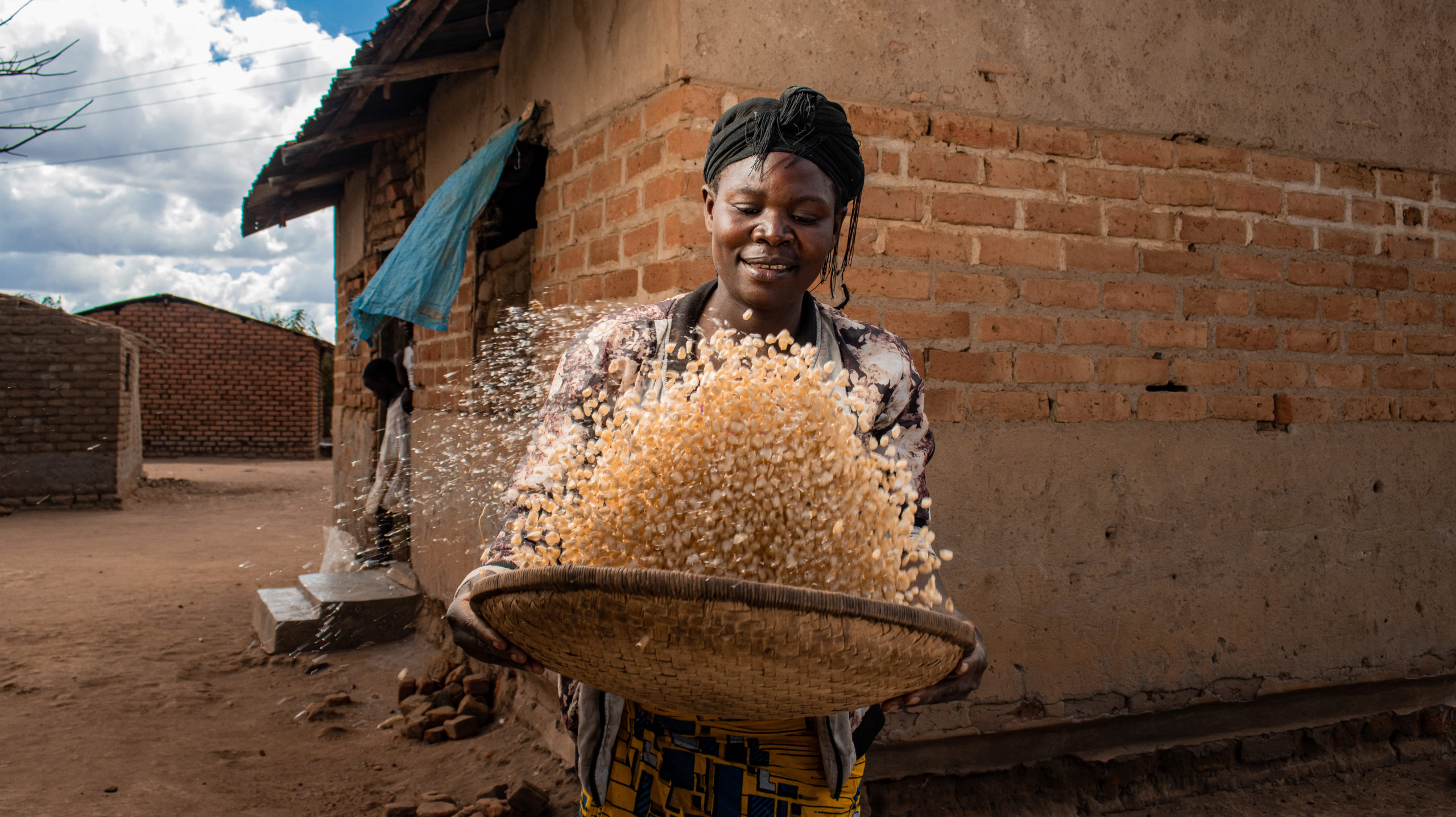
Twenty years ago, nearly 30% of the global population struggled to survive on US$1.90 per day, today the number is more like 10%. But 10% still amounts to 700 million people. Nearly all these people live in developing countries, mainly in sub-Saharan Africa and southern Asia.
AIDN views the current international giving landscape as an opportunity to bring together those operating in the sector and remove some of the barriers that have previously existed, or currently exist so that more money can be channelled to developing countries, in a more strategic way.
ABOUT THE NETWORK
Creating an ecosystem that facilitates more effective outcomes for our global community.
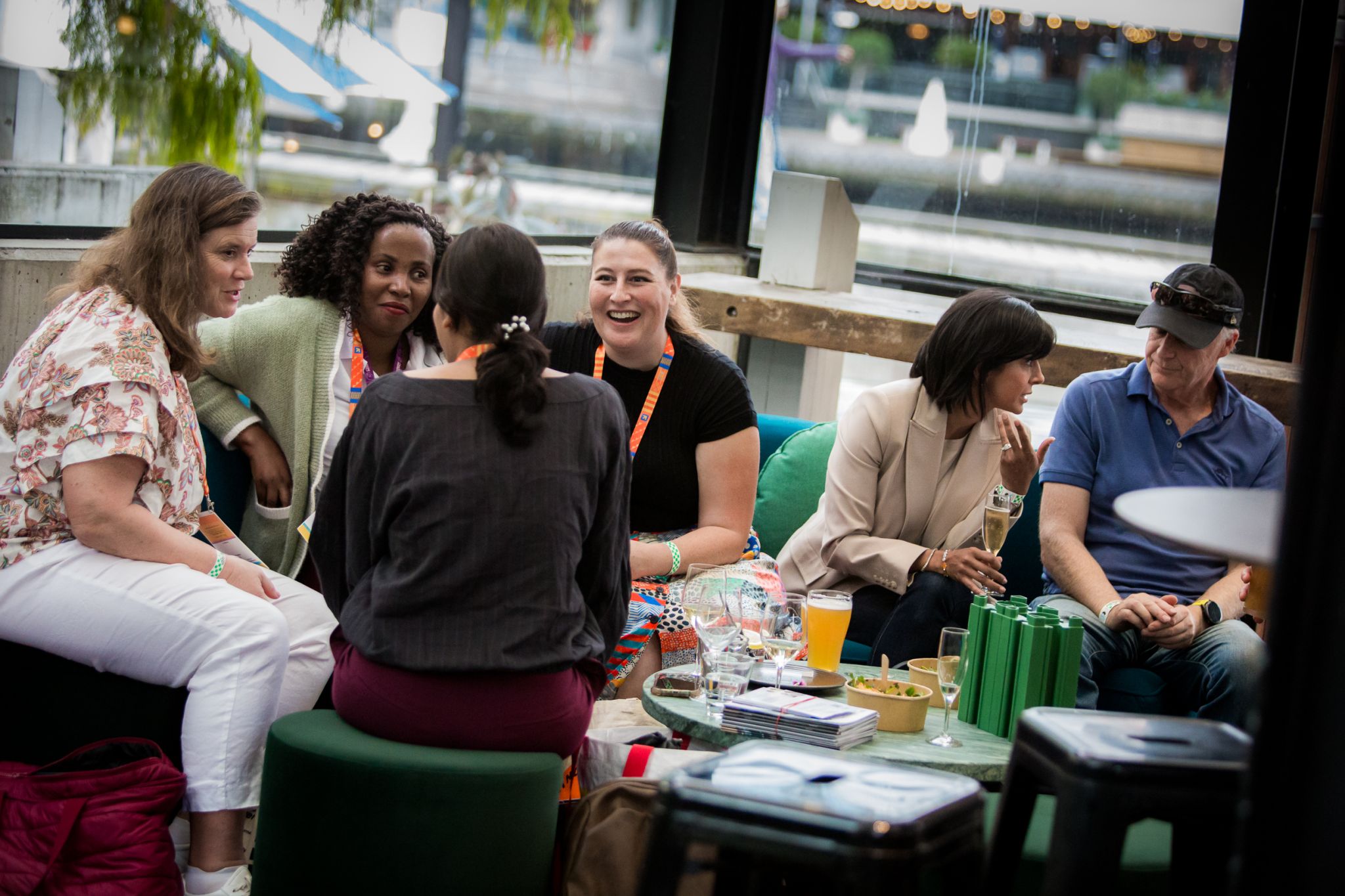
AIDN is a neutral platform that acts as a megaphone to shine a light on the best work being done in the international development sector.
Australians have strong connections around the globe and we want to leverage our generous spirit with an outward focus.
With a mission to increase the quality and quantity of international giving, impact investing and resources, AIDN hopes that some of the traditional barriers associated with international giving and investing can be overcome.