AIDN’s core ethos is ‘more’ and ‘better’ global giving and we seek to foster an environment for the discussion and exploration of how we define these terms in an ever-changing international development ecosystem. Alongside our events, webinars and resources, The AIDN Beat is a key way to achieve this goal.  The AIDN Beat strives to keep up with the rhythm of the international development sector and cover a broad range of subjects: from innovative development financing, to leading case-studies of programs on-the-ground, to the need for a genuine commitment to localisation.

We are also deeply committed to amplifying diverse voices. Consequently, we accept submissions to The AIDN Beat – so that our dynamic network can shape the discussion too. If you would like to submit content for The AIDN Beat, then we would love to hear from you. Get in touch with us (via hannah@aidnetwork.org.au) and we will share our editorial guidelines.


Subscribers of The AIDN Beat will receive a bi-monthly email where we’ll share recent pieces from The AIDN Beat, alongside curated pieces from other international development platforms and provide a recommendation for a relevant text, film or podcast.

If you’re are not currently signed up to receive The AIDN Beat or our newsletter, you can do so by filling in the form below.

Sign Up

to receive the latest AIDN news to your inbox

NEWS & RESOURCES

Latest Stories and Developments
Stop buying sunshine: The 10% stake every donor should take to ending stunting in Indonesia.

Stop buying sunshine: The 10% stake every donor should take to ending stunting in Indonesia.

Too often in international development one-and-done interventions parachute in from afar. But for Zack Peterson, Founder and Chief Strategist of the 1000 Days Fund, donors need to start seeing themselves as a shareholder with a 10% stake in the organisations they are funding. If donors want impact, there are no shortcuts: professionalise the workforce, lock in policy, measure what actually matters, and give enough time for real change. Anything else is buying sunshine.
Crises are complex. But we can cut through the noise and act.

Crises are complex. But we can cut through the noise and act.

Attention is a fickle, finite resource. Once a crisis becomes too intractable – we no longer hear about it. However, for Tamar Kosky Lazarus (Chief Development and Communications Officer at IsraAID), these seemingly intractable crises are often made up of problems that aren’t complicated at all. They’re painfully, insultingly solvable. While we’re fatigued by the terrifying big picture, we miss what can be done.
Financial inclusion in 2025 – time for a health check.

Financial inclusion in 2025 – time for a health check.

Clay O'Brien, experienced financial inclusion, microfinance and international development advisor, analyses the World Bank's fifth edition of its Global Findex Database for our network. Clay highlights the need for ongoing work from national regulators and international organisations to promote inclusive financial and banking policies, to consider gender gaps in access to fintech, and to work to address the specific needs of low-income and disadvantaged communities in their access and use of financial products.
No results found.
AIDN’s summer reading list 2023

AIDN’s summer reading list 2023

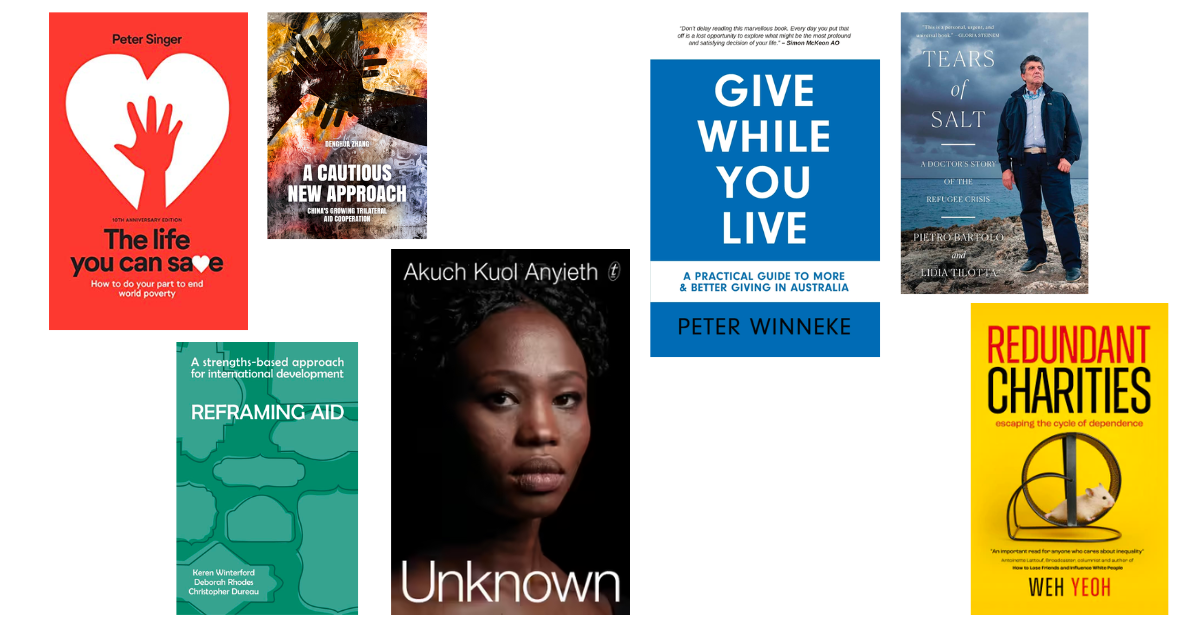
AIDN has compiled an international development and philanthropy themed summer reading list based on our reading recommendations throughout 2023. 
To tackle the biggest challenges of our time it will be critical to leverage both global and local networks and resources.
To tackle the biggest challenges of our time it will be critical to leverage both global and local networks and resources.

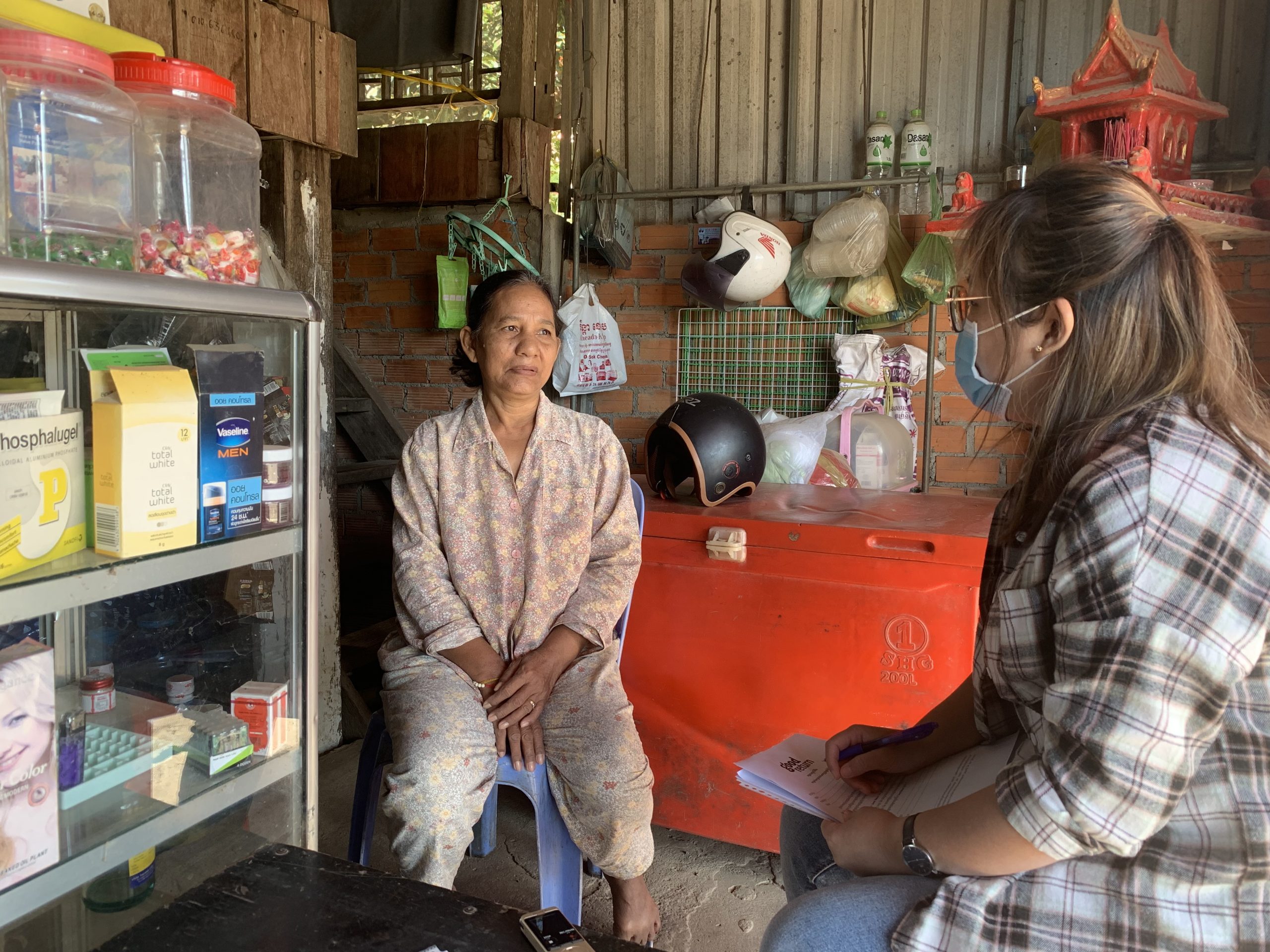
Guest author Biheng Zhang, General Manager of The Intrepid Foundation, reflects on the recent earthquake in Morocco, and argues that to tackle the biggest challenges of our time we will need robust networks that leverage global capabilities and resources, alongside critical on-the-ground, local knowledge and action. We will also need to turn to the power of human connection in the face of crises.
Responsible financial inclusion is key to protecting vulnerable clients in the Asia-Pacific region
Responsible financial inclusion is key to protecting vulnerable clients in the Asia-Pacific region

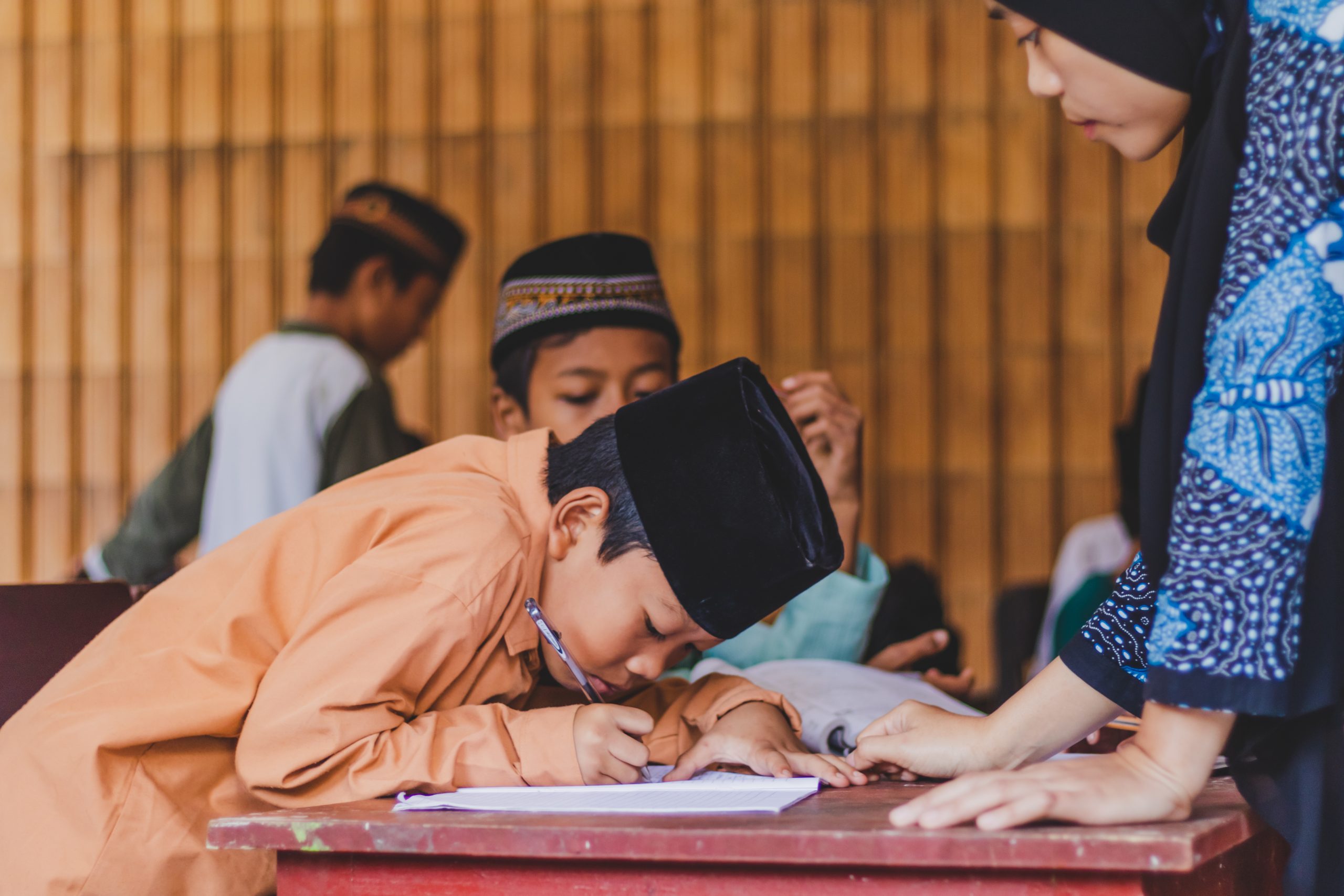
In light of recent investigations into the microfinance sector in Cambodia, guest author Shane Nichols, CEO of Good Return, calls for responsible and appropriate financial inclusion practices and principles to protect vulnerable clients in the Asia-Pacific region.
Major innovation in disaster relief rebuilding is underway and helping to improve access to education. However, challenges persist in maximising impact.
Major innovation in disaster relief rebuilding is underway and helping to improve access to education. However, challenges persist in maximising impact.

Guest author Tanya Armstrong, CEO of Classroom of Hope, highlights how major innovation in disaster relief rebuilding is underway. With a focus on innovative "block technology", sustainable and disaster proof schools are being built and thus improving access to education. However, challenges persist in maximising the impact of this pioneering technology.
DFAT’s new disability equity and rights strategy: An opportunity to shift the dial.

DFAT’s new disability equity and rights strategy: An opportunity to shift the dial.

Guest author Jane Edge, CEO of CBM Australia, highlights the upcoming opportunity for Australia's “Disability Equity and Rights Strategy” to be ambitious, accountable and resourced.
Achieving the SDGs means investing in MSMEs.

Achieving the SDGs means investing in MSMEs.

Guest author Cameron Neil, Co-Founder and Director of LendForGood, calls on those committed to international development and achieving the SDGs to look at investment opportunities in emerging markets - with a particular focus on the catalytic potential of MSMEs.
Disasters are on the rise. But how can donors give effectively?

Disasters are on the rise. But how can donors give effectively?

Guest author Anita Toy, Chief Representative of Give2Asia Australia, highlights the increasing need for philanthropic funding from Australian markets for disaster preparedness, resilience and awareness in our region. However, with new philanthropic funding mechanisms for disaster relief quickly emerging, like DisasterLink, Australian donors should feel empowered to give and disavow common misconceptions about international giving.
Why now is the time for Australians to add overseas giving to their portfolio

Why now is the time for Australians to add overseas giving to their portfolio

Part 1: In the first of our three part series, AIDN explores ‘why’ all Australian donors should consider adding international giving to their giving portfolio.
Let’s dispel the stubborn myths around global giving

Let’s dispel the stubborn myths around global giving

Part 2: AIDN highlights and calls for a breakdown of the stubborn, inflated barriers that challenge Australia’s outbound charitable giving.
No results found.