AIDN’s core ethos is ‘more’ and ‘better’ global giving and we seek to foster an environment for the discussion and exploration of how we define these terms in an ever-changing international development ecosystem. Alongside our events, webinars and resources, The AIDN Beat is a key way to achieve this goal.  The AIDN Beat strives to keep up with the rhythm of the international development sector and cover a broad range of subjects: from innovative development financing, to leading case-studies of programs on-the-ground, to the need for a genuine commitment to localisation.

We are also deeply committed to amplifying diverse voices. Consequently, we accept submissions to The AIDN Beat – so that our dynamic network can shape the discussion too. If you would like to submit content for The AIDN Beat, then we would love to hear from you. Get in touch with us (via hannah@aidnetwork.org.au) and we will share our editorial guidelines.


Subscribers of The AIDN Beat will receive a bi-monthly email where we’ll share recent pieces from The AIDN Beat, alongside curated pieces from other international development platforms and provide a recommendation for a relevant text, film or podcast.

If you’re are not currently signed up to receive The AIDN Beat or our newsletter, you can do so by filling in the form below.

Sign Up

to receive the latest AIDN news to your inbox

NEWS & RESOURCES

Latest Stories and Developments
Unlocking diaspora giving: A new wave of philanthropists.

Unlocking diaspora giving: A new wave of philanthropists.

With growing research underscoring the power of diaspora giving, Anita Toy, Founding Executive Director of Myriad Australia, argues it’s time to build the philanthropic structures needed to harness this major source of giving for sustained, high-impact change. It's also time to recognise migrants and diaspora communities as key contributors to global development alongside foundations and major donors.
Global aid cuts are the perfect time to move towards a model of refugee empowerment.

Global aid cuts are the perfect time to move towards a model of refugee empowerment.

Caitlin McCaffrie, Policy Director for Forced Migration at the Centre for Policy Development, provides unique insight into The 2025 Asia Dialogue on Forced Migration (ADFM). This year's ADFM underscored both crisis and opportunity for the global refugee system. On one hand, severe funding cuts. On the other, new policy shifts in Thailand suggest more sustainable, rights-based solutions in the region.
AIDN Beat Spotlight – Edward Ssempewo

AIDN Beat Spotlight – Edward Ssempewo

Through The AIDN Beat Spotlight series we hope to highlight a diverse range of sector experts and learn more about their journey in the international development sector. Meet Ssempewo Edward: advocate of the High Court of Uganda, systems leader, early-career researcher and, Founder and Executive Director of Rescue Mission for Street Life (RMFSL).
No results found.
Why giving directly is not the path forward: The ongoing tension in Australian international philanthropy.
Why giving directly is not the path forward: The ongoing tension in Australian international philanthropy.

In this piece, Anita Toy argues that the current parameters whereby Australian Private Ancillary Funds (PAFs) and Public Ancillary Funds (PuAFs) cannot directly fund overseas charities (without funding via an Australian registered DGR charity) is fit for purpose. This is because Australian intermediary organisations and local fundraising entities registered with the ACNC must comply with the ACNC’s External Conduct Standards to promote transparency, and reduce the risk of funds being misused overseas.
Hard-edged choices in Ukraine’s survival war.

Hard-edged choices in Ukraine’s survival war.

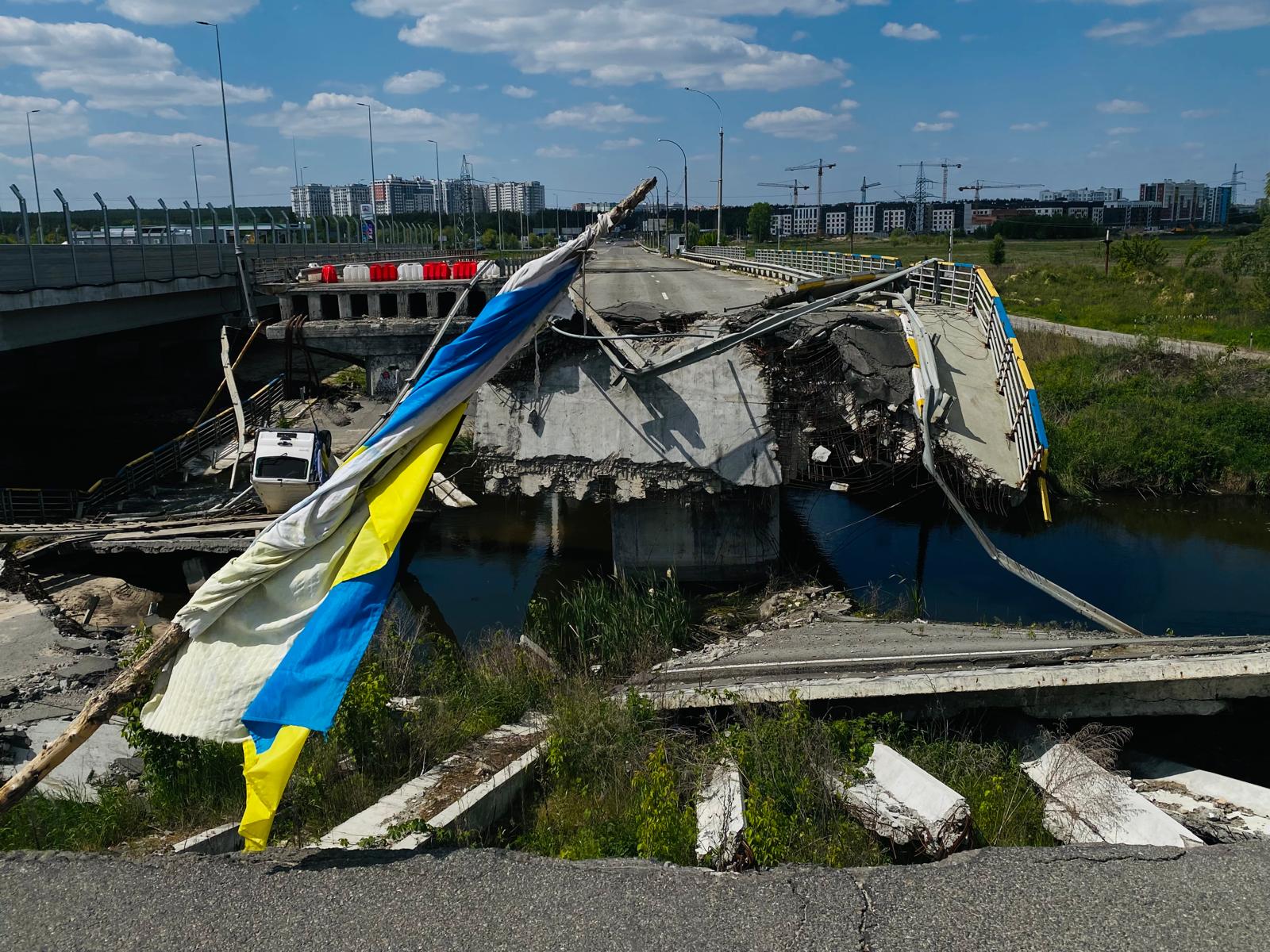
Gordon Weiss provides our network with a first hand account of the state of humanitarian response and the NGO sector in Ukraine in May 2024. Drawing upon his former role in Ukraine with the United Nations, Gordon is now heading a small-circle philanthropic organisation and currently in Ukraine determining how organisations are adapting and pivoting in the face of ongoing war. It is in this context that international funders, like Gordon, must make hard-edge choices concerning who to support and how to maximise impact in a war for survival.
Why I do what I do (along with many other people I respect and admire).
Why I do what I do (along with many other people I respect and admire).

Mark Cubit, AIDN Co-Founder, shares with our network what underpins his ongoing drive and commitment to the international development sector. Mark outlines two key reasons: first, because working in our sector affords him the privilege of working with and witnessing the incredible work of both the “doers” and the “funders” of international development. Second, because even whilst slow, the data shows that international development efforts are working.
Swimming to end human trafficking: The power of individual fundraising.

Swimming to end human trafficking: The power of individual fundraising.

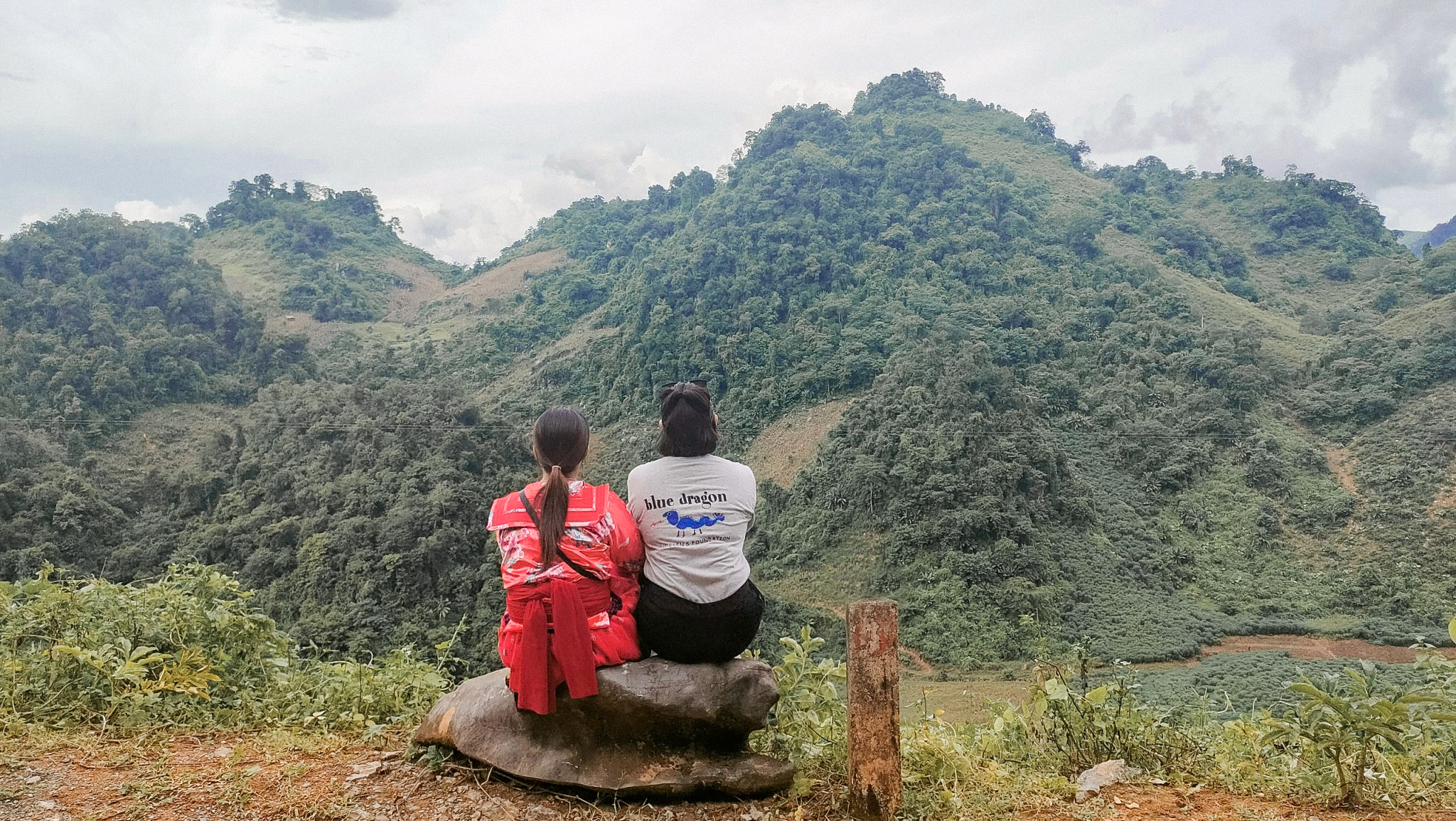
Kim Miller, Schools and Partnerships Coordinator at Blue Dragon Children's Foundation, reflects on what her upcoming swim across the English channel has taught her about the role of individual fundraising in 2024. Whilst many of the key discussions in international development may now center around major development financing, Kim highlights the ongoing impact that individual fundraising can have professionally and personally - in addition to supporting urgent causes.
Beyond cupcakes: why engaging young men in gender equality initiatives, such as IWD, is key.

Beyond cupcakes: why engaging young men in gender equality initiatives, such as IWD, is key.

Following IWD 2024, AIDN's Communications and Research Lead, Hannah McNicol, asks: how do we ensure that gender equality initiatives and events like IWD also spark interest in men, are spaces that they are likely to attend, and can meaningfully engage in? To answer this question, Hannah calls for a reflection on several innovative international development programs that focus on engaging young men to achieve gender justice for all, including Dandelion Africa and Grass Skirt Project.
For conservation efforts to move forward we must center Indigenous voices and take a human rights-centric approach.

For conservation efforts to move forward we must center Indigenous voices and take a human rights-centric approach.

Mahum Qazi, Communications Assistant at Project Expedite Justice, outlines the tension between international accords that aim to protect the environment and the “fortress conservation model”. Whilst such accords strive to improve planetary health, in practice they can fail to consider how many Indigenous Peoples have fostered healthy ecosystems and can instead lead to human rights violations and land dispossession.
Navigating complexity: the moment that defined how I conduct impact evaluations globally.

Navigating complexity: the moment that defined how I conduct impact evaluations globally.

Matias Nestore, Research and Evaluation Associate at The Life You Can Save, reflects on a watershed moment that has defined how he conducts impact evaluations globally. Matias argues against simplified monitoring and evaluation practices. Instead, it is critical to implement a qualitative approach to impact assessment that understands participants as active agents with unique circumstances and agency.
Women and girls are facing unprecedented hardship in Afghanistan, but international development organisations can play an important role in continuing to fight for their access to education.

Women and girls are facing unprecedented hardship in Afghanistan, but international development organisations can play an important role in continuing to fight for their access to education.

Jackie Fristacky AM, President of AADO, provides an important update on women and girls’ access to education in Afghanistan. We must continue to support women and girls to achieve, flourish and learn even if it is a slow, multifaceted and complex process.
Field catalysts: driving large-scale change through radical collaboration.

Field catalysts: driving large-scale change through radical collaboration.

In our latest guest contribution to The AIDN Beat, Dr. Madeleine Ballard, CEO of Community Health Impact Coalition, highlights the pivotal role of "field catalysts" for aligning diverse stakeholders towards achieving large-scale systematic change. Dr. Ballard first underscores the need for field catalysts and demonstrates how they operate in practice. Dr. Ballard then finishes by discussing potential replication of this approach and important considerations for funders.
No results found.