AIDN’s core ethos is ‘more’ and ‘better’ global giving and we seek to foster an environment for the discussion and exploration of how we define these terms in an ever-changing international development ecosystem. Alongside our events, webinars and resources, The AIDN Beat is a key way to achieve this goal.  The AIDN Beat strives to keep up with the rhythm of the international development sector and cover a broad range of subjects: from innovative development financing, to leading case-studies of programs on-the-ground, to the need for a genuine commitment to localisation.

We are also deeply committed to amplifying diverse voices. Consequently, we accept submissions to The AIDN Beat – so that our dynamic network can shape the discussion too. If you would like to submit content for The AIDN Beat, then we would love to hear from you. Get in touch with us (via hannah@aidnetwork.org.au) and we will share our editorial guidelines.


Subscribers of The AIDN Beat will receive a bi-monthly email where we’ll share recent pieces from The AIDN Beat, alongside curated pieces from other international development platforms and provide a recommendation for a relevant text, film or podcast.

If you’re are not currently signed up to receive The AIDN Beat or our newsletter, you can do so by filling in the form below.

Sign Up

to receive the latest AIDN news to your inbox

NEWS & RESOURCES

Latest Stories and Developments
AIDN Beat Spotlight
AIDN Beat Spotlight

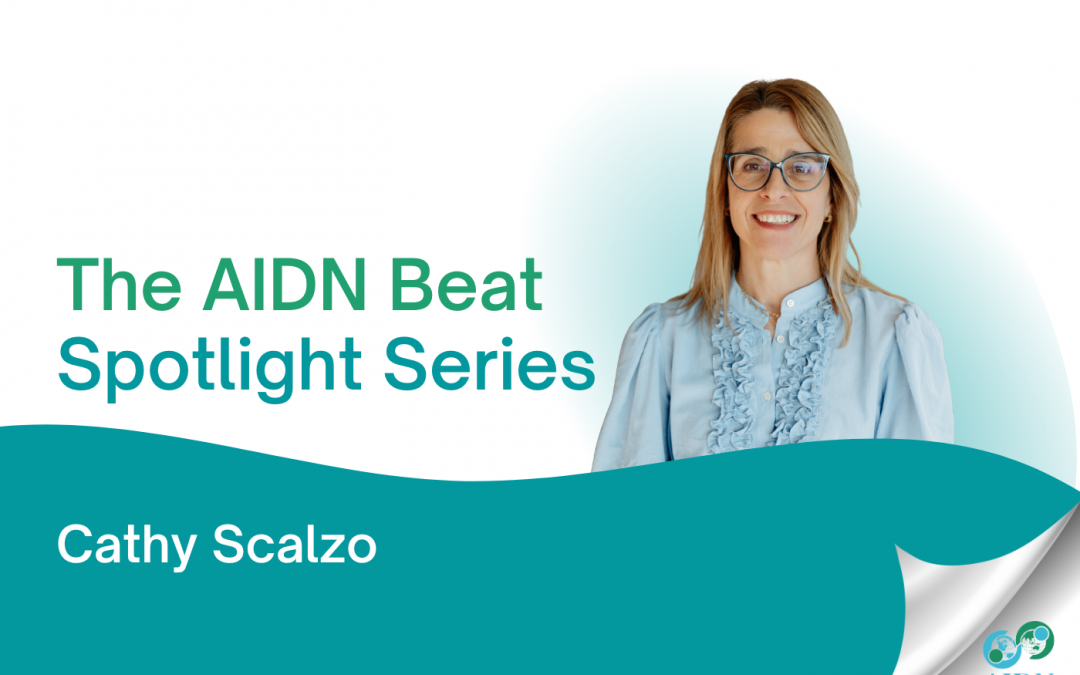
Through The AIDN Beat Spotlight series we hope to highlight a diverse range of sector experts and learn more about their journey in the international development sector. Meet Cathy Scalzo: CEO of the Scalzo Family Office and Trustee of the Grace and Emilio Foundation. She is Chair of Australians Investing in Women, Deputy Chair of the Mornington Peninsula Foundation and on the board of the Social Impact Hub.
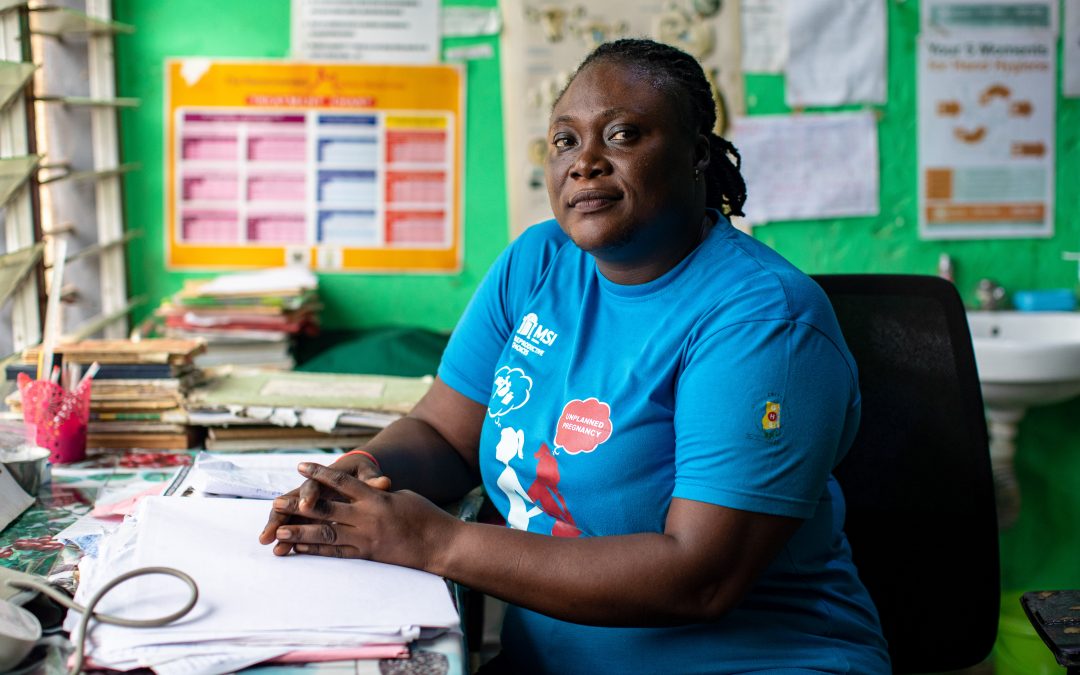
A further expansion of the Global Gag Rule: An affront to reproductive rights globally.

A further expansion of the Global Gag Rule: An affront to reproductive rights globally.

Grishma Bista, Chief Executive Officer of MSI Asia Pacific, provides our network with the latest update on the expansion of the 'global gag rule'. While the policy was historically focused on abortion,  it has now expanded to restrict 'gender ideology' and any efforts to promote diversity, equity and inclusion (DEI).  With particularly devastating impacts on women in the Majority World, MSI is calling on the sector to push back on this war on reproductive rights.
Who pays for climate adaptation in Northern Kenya?
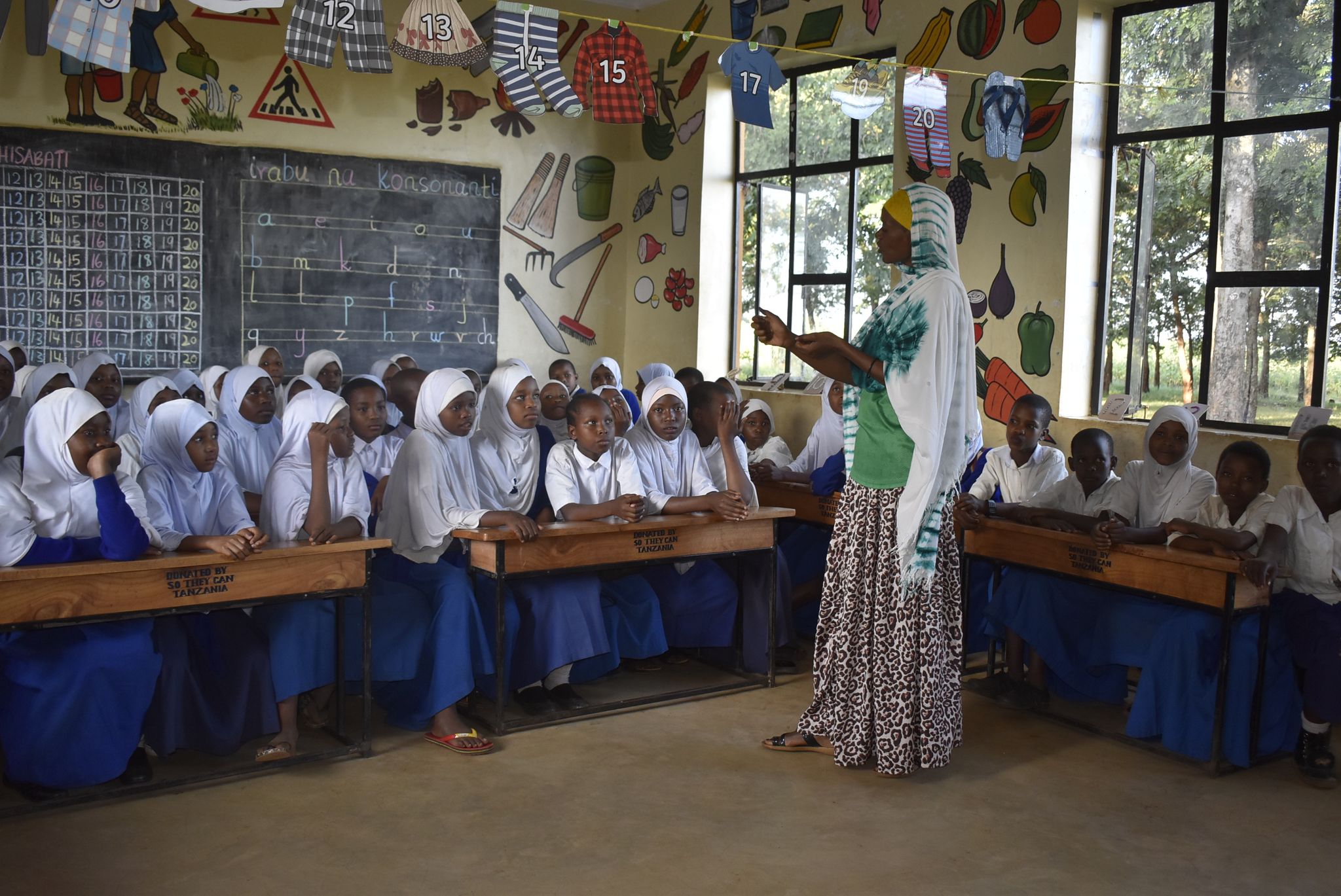
Who pays for climate adaptation in Northern Kenya?

Hadija Bonaya, development practitioner and Atlantic Fellow for Social and Economic Equity at the LSE, explores how climate adaptation in Northern Kenya is increasingly funded though projects and consultancies rather than through everyday services. In turn, this shifts the real cost of climate change onto low-income pastoralist communities, especially women, while the global climate finance system continues to reward institutions more than resilience.
No results found.
The next key opportunity for Australian aid and development? Scalable investments in African education.
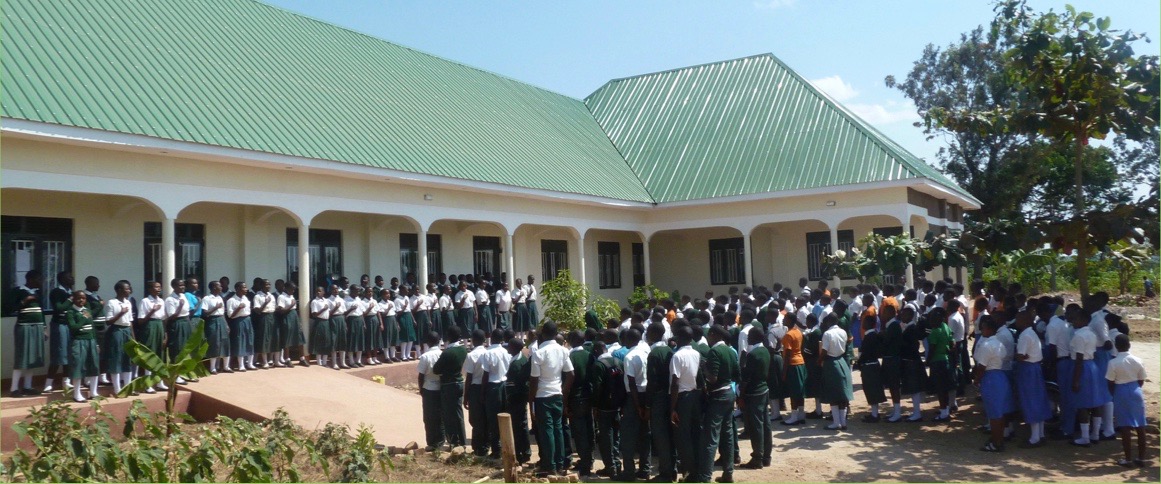
The next key opportunity for Australian aid and development? Scalable investments in African education.

Cassandra Treadwell, CEO of So They Can, explores the transformative potential of scalable investments in African education. Cassandra advocates for Australians to move away from a framework of "charity" or "aid", and instead seize a key opportunity to drive global equity and economic growth through investing in education. In particular, Cassandra highlights how targeted, innovative partnerships can address systemic barriers and unlock sustainable development.
Two continents, one mission: How an Australian-Ugandan partnership sparked transformative change in rural Uganda.
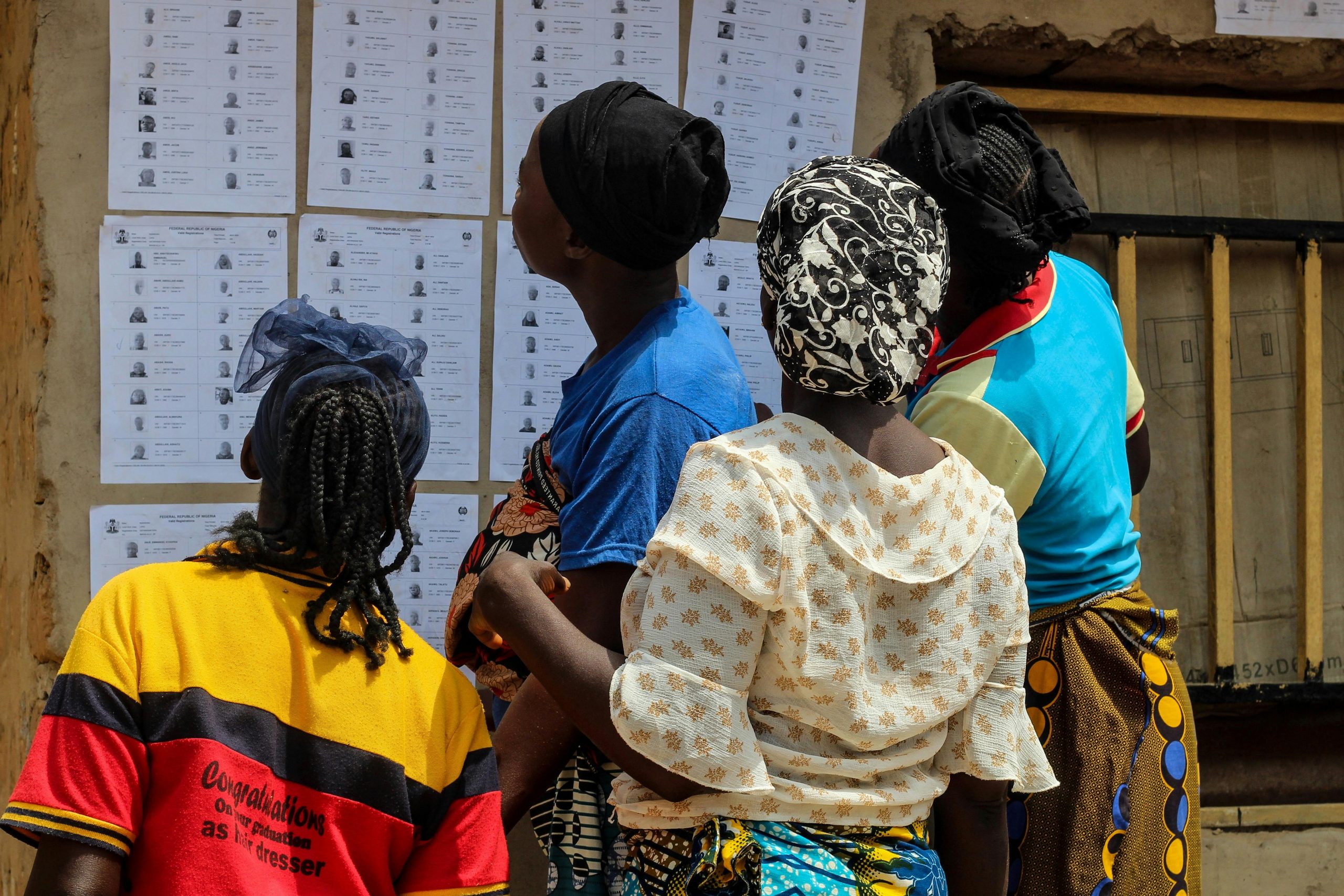
Two continents, one mission: How an Australian-Ugandan partnership sparked transformative change in rural Uganda.

This vignette style piece invites our network to explore the evolution of Help 'Us' Grow (HUG), an Australian NFP supporting Ugandan initiatives since 2007. Told through the perspectives of founder Helen Brown, on-the-ground leader Ssemwogerere David, and key funder Mark Cubit, the piece highlights the transformative impact of Aussie fundraising and philanthropy when driven by passion, reflection, and community ownership.
Exercising the governance muscle – why inclusive land governance matters.
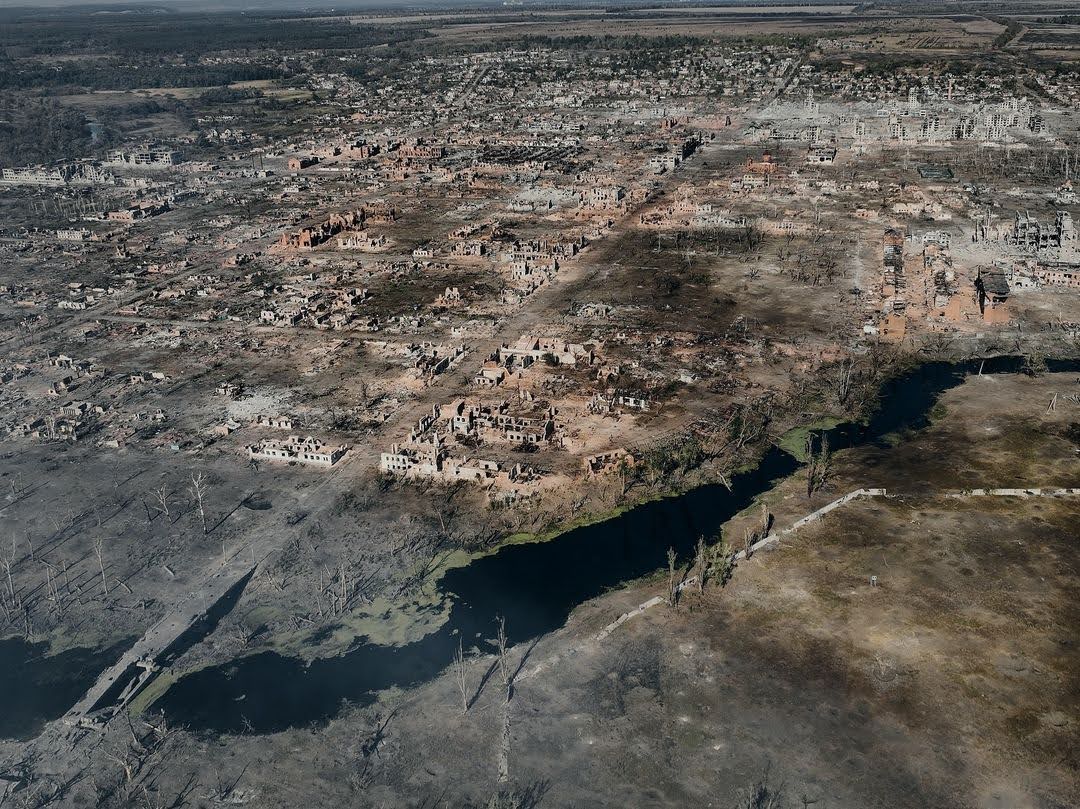
Exercising the governance muscle – why inclusive land governance matters.

In this incisive piece, Elizabeth Daley (Chair of the Board of the Land Portal Foundation) strips back complex debates on “good governance” in international development for our network. Drawing on over 20 years of work on land rights and governance globally, Elizabeth argues that inclusive land governance promotes fairness, reduces conflicts, and challenges harmful social norms by ensuring all community members, especially marginalized groups, have a voice in land use decisions.
Amplifying impact and holding the lines: the case of the Forest Glades centre and Mild Traumatic Brain Injuries in Ukraine.
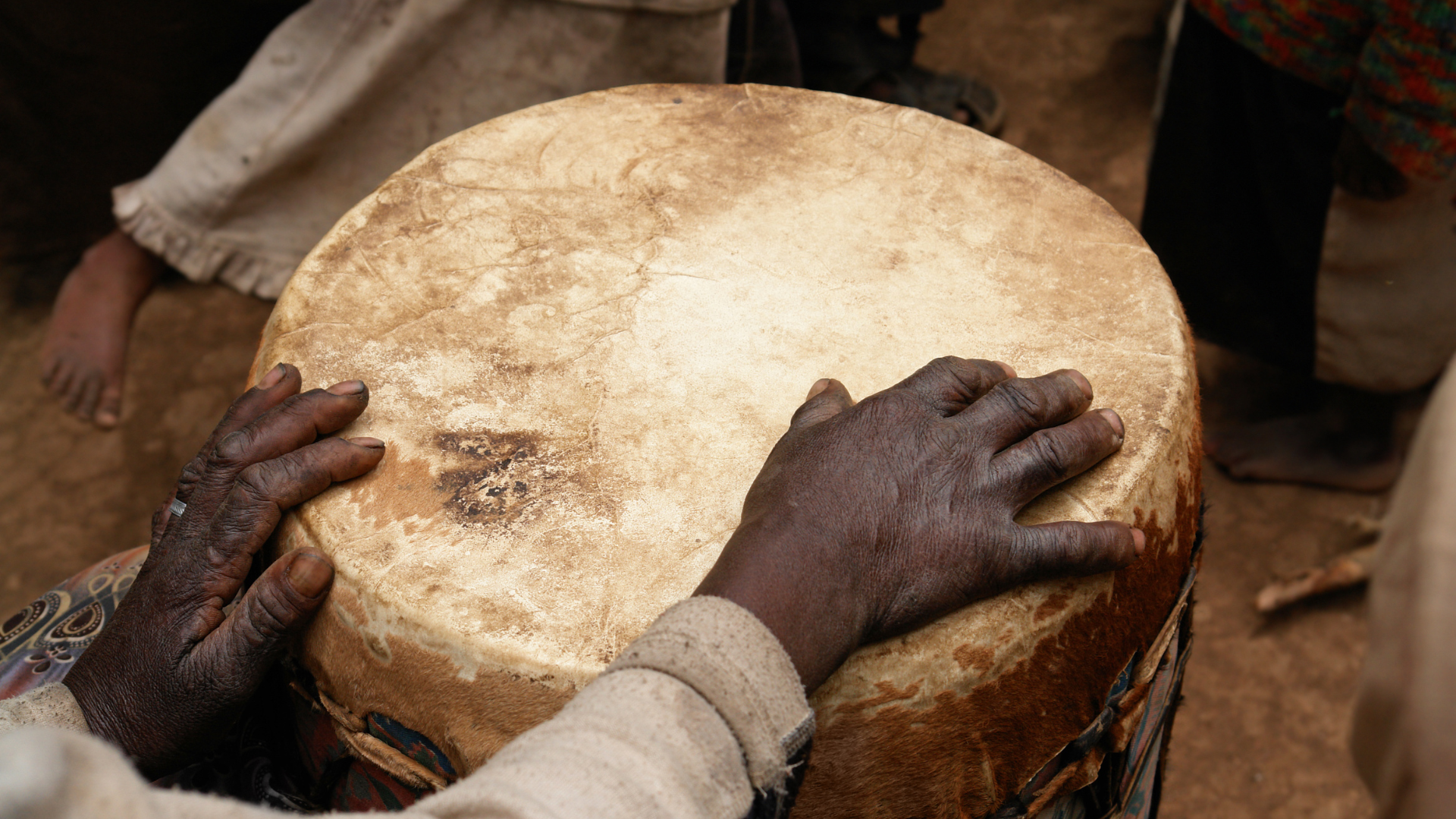
Amplifying impact and holding the lines: the case of the Forest Glades centre and Mild Traumatic Brain Injuries in Ukraine.

In this latest piece from Gordon Weiss (Planet Humana), our network is given a unique on-the-ground insight into the ongoing war in Ukraine. Gordon reflects on the work of the Forest Glades centre that is treating Mild Traumatic Brain Injuries, and the significant impact that small philanthropic funds can have in this ecosystem.
Celebrating one year of The AIDN Beat.
Celebrating one year of The AIDN Beat.

Since launching last September, we have been amazed by the interest and uptake of The AIDN Beat. We’ve published twenty-four thought pieces over the last year. To celebrate, we’ve compiled all the pieces into this PDF booklet, so you can revisit the rich insights shared by our contributors.
AIDN Beat Spotlight: Fifi Rashando.

AIDN Beat Spotlight: Fifi Rashando.

Through The AIDN Beat Spotlight series we hope to highlight a diverse range of sector experts and learn more about their journey in the international development sector. Meet Fifi Rashando, GEDSI (Gender, Disability, and Social Inclusion) and Safeguarding Manager at Opportunity International Australia, Executive Committee Member with the Australian Disability & Development Consortium (ADDC) and previous Board Director for the Leprosy Mission.
Building shared value for development outcomes: The importance of Cross Sector Development Partnerships (CSPs).
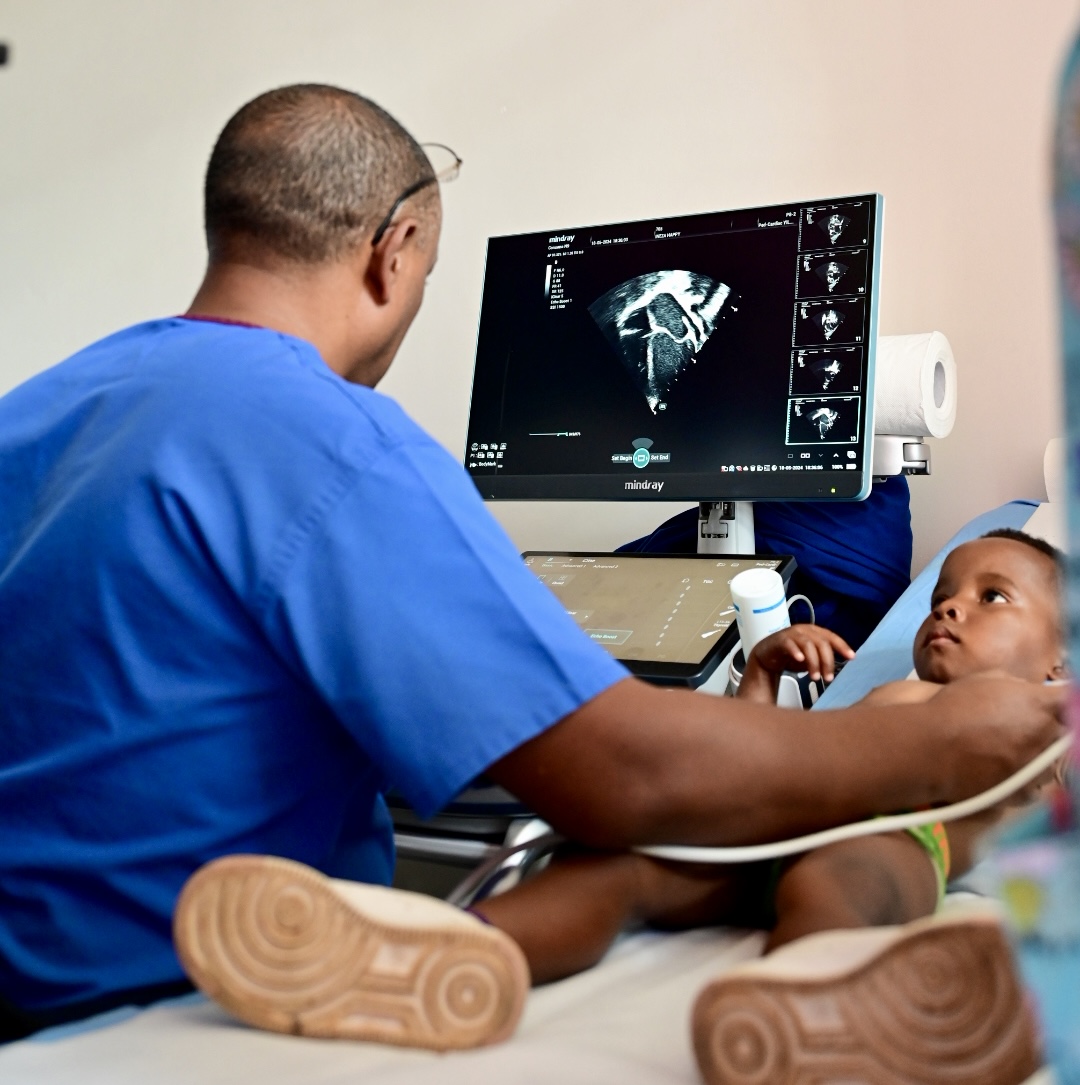
Building shared value for development outcomes: The importance of Cross Sector Development Partnerships (CSPs).

Drawing on their roles as CEO and Senior Research Associate at the Cross Sector Development Partnerships Initiative (XSPI), Zoey Diaz and Jasmine Stephens highlight the importance of CSPs for breaking down institutional and sectoral silos, and disrupting traditional development models by fostering the mutually beneficial exchange of skills, knowledge and resources.
Maximizing the impact of cardiac care in East and Southern Africa: The power of knowledge sharing, specialised training and fostering South-South partnerships.
Maximizing the impact of cardiac care in East and Southern Africa: The power of knowledge sharing, specialised training and fostering South-South partnerships.

Drawing on her role as CEO of Save A Child's Heart, Jo Star argues that external medical expertise and resources remain vital in cardiac care in many African countries. But impact is only maximized when coupled with investment in knowledge sharing and training.
The only good development program is one you can leave behind.

The only good development program is one you can leave behind.

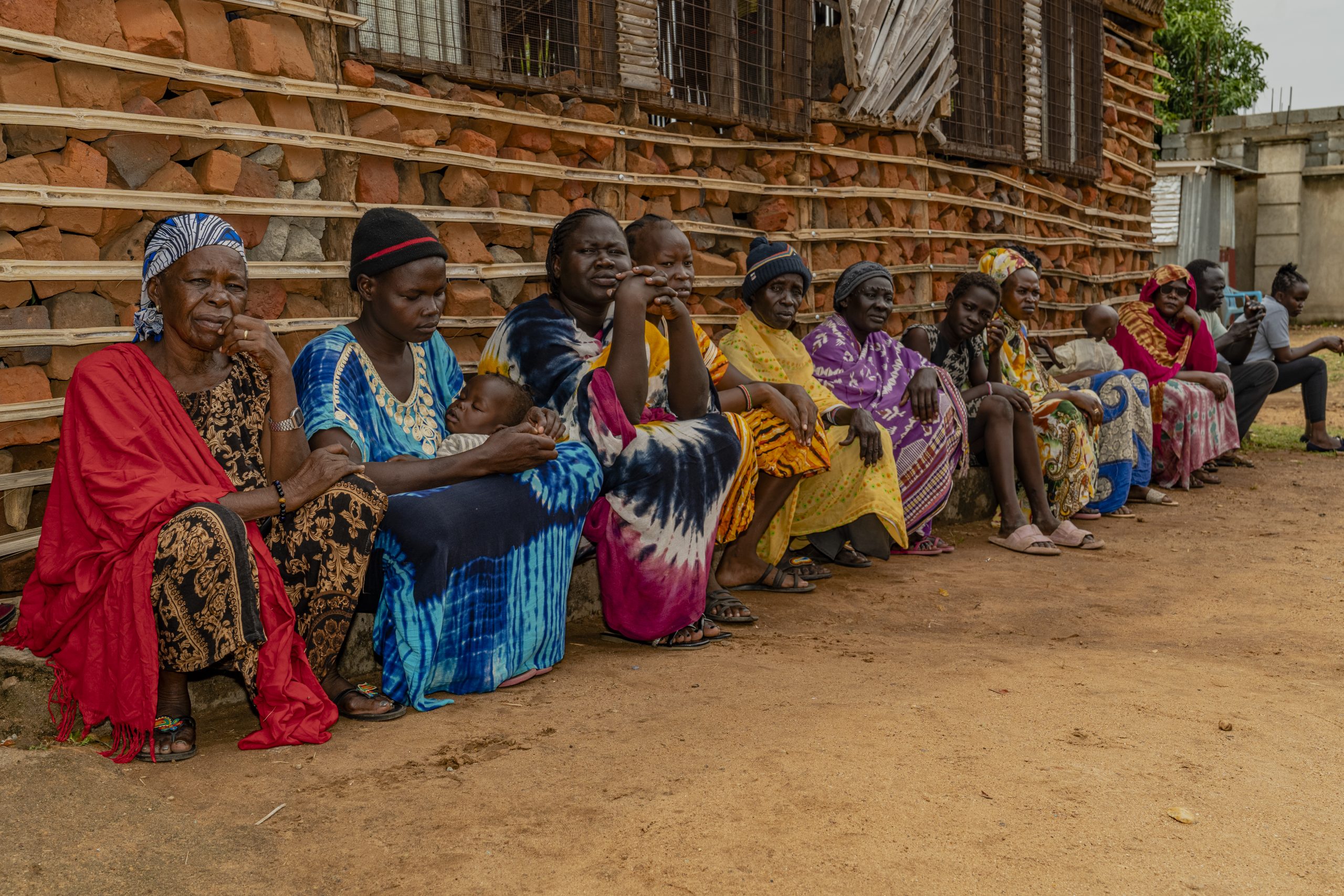
Tamar Kosky Lazarus, Chief Development and Communications officer at IsraAID, reflects upon her recent visit to two IDP (internally displaced persons) camps in Juba, South Sudan. Drawing on the example of one women-led community group that continues to demonstrate incredible resilience despite devastating circumstances, Tamar argues that the humanitarian community must do better. In particular, the development sector must work to ensure that development programs do not create external dependencies nor exit without a follow up plan. Instead, for any development program to be sustainable, it must be community-led and given the time and space to flourish under local leadership.
No results found.