AIDN’s core ethos is ‘more’ and ‘better’ global giving and we seek to foster an environment for the discussion and exploration of how we define these terms in an ever-changing international development ecosystem. Alongside our events, webinars and resources, The AIDN Beat is a key way to achieve this goal.  The AIDN Beat strives to keep up with the rhythm of the international development sector and cover a broad range of subjects: from innovative development financing, to leading case-studies of programs on-the-ground, to the need for a genuine commitment to localisation.

We are also deeply committed to amplifying diverse voices. Consequently, we accept submissions to The AIDN Beat – so that our dynamic network can shape the discussion too. If you would like to submit content for The AIDN Beat, then we would love to hear from you. Get in touch with us (via hannah@aidnetwork.org.au) and we will share our editorial guidelines.


Subscribers of The AIDN Beat will receive a bi-monthly email where we’ll share recent pieces from The AIDN Beat, alongside curated pieces from other international development platforms and provide a recommendation for a relevant text, film or podcast.

If you’re are not currently signed up to receive The AIDN Beat or our newsletter, you can do so by filling in the form below.

Sign Up

to receive the latest AIDN news to your inbox

NEWS & RESOURCES

Latest Stories and Developments
A further expansion of the Global Gag Rule: An affront to reproductive rights globally.

A further expansion of the Global Gag Rule: An affront to reproductive rights globally.

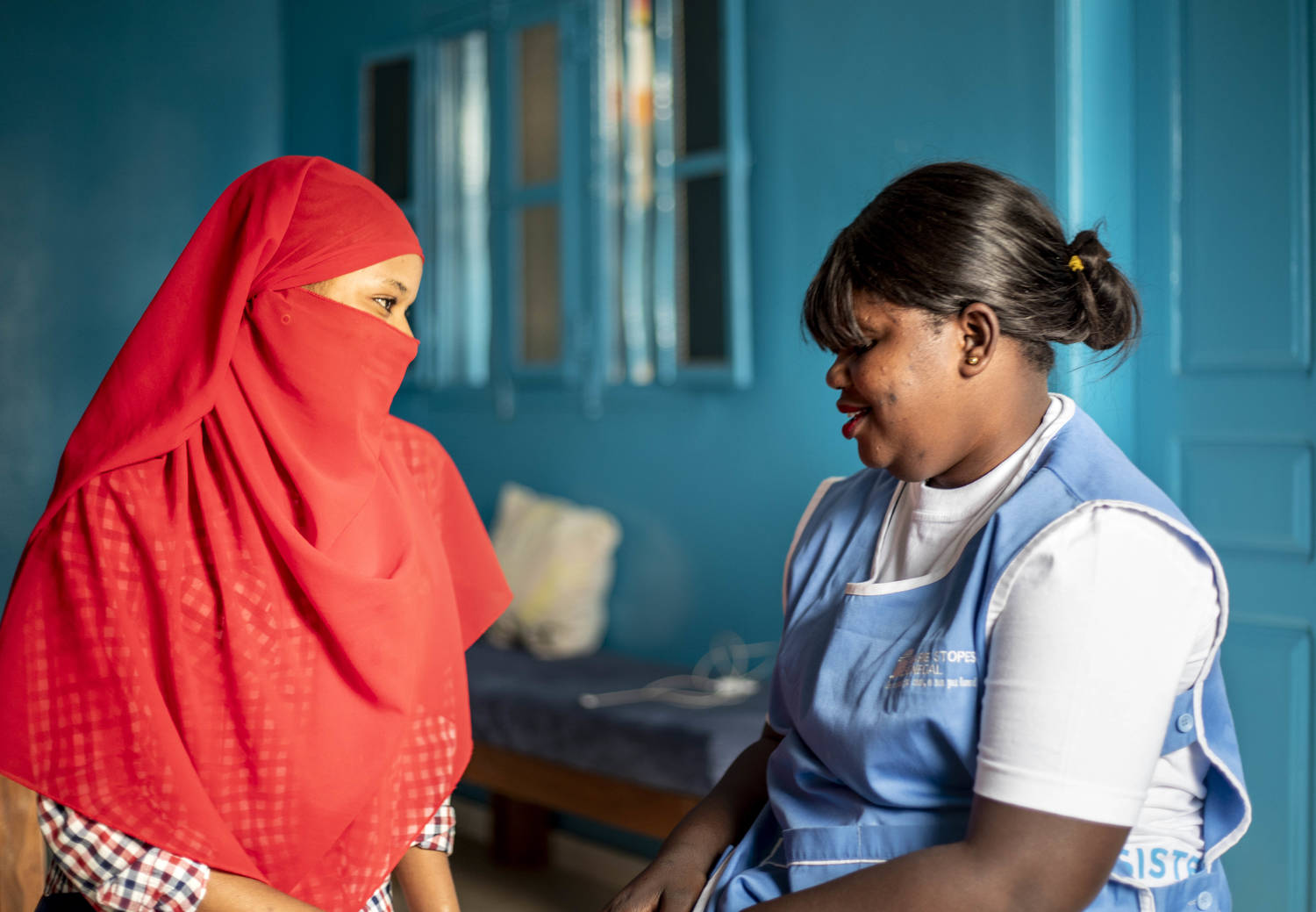
Grishma Bista, Chief Executive Officer of MSI Asia Pacific, provides our network with the latest update on the expansion of the 'global gag rule'. While the policy was historically focused on abortion,  it has now expanded to restrict 'gender ideology' and any efforts to promote diversity, equity and inclusion (DEI).  With particularly devastating impacts on women in the Majority World, MSI is calling on the sector to push back on this war on reproductive rights.
Who pays for climate adaptation in Northern Kenya?

Who pays for climate adaptation in Northern Kenya?

Hadija Bonaya, development practitioner and Atlantic Fellow for Social and Economic Equity at the LSE, explores how climate adaptation in Northern Kenya is increasingly funded though projects and consultancies rather than through everyday services. In turn, this shifts the real cost of climate change onto low-income pastoralist communities, especially women, while the global climate finance system continues to reward institutions more than resilience.
Are founders the new funders? The case of the 1000 Days Fund and Black Licorice.

Are founders the new funders? The case of the 1000 Days Fund and Black Licorice.

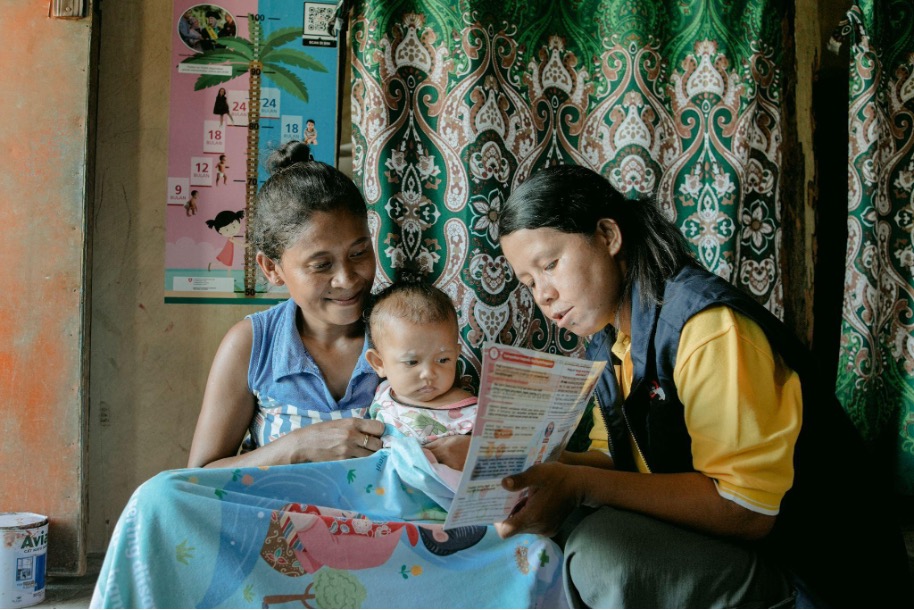
Zack Petersen, Founder of Black Licorice and the 1000 Days Fund, argues that traditional funding mechanisms often overlook early-stage, locally rooted nonprofit founders. "Black Licorice" is challenging this model and instead proposes a “founders-as-funders” approach whereby experienced NFP leaders seed emerging organisations within their ecosystem. In the case of Black Licorice, the goal is to form Indonesia’s first tight-knit ecosystem of maternal health innovators: a peer-driven network capable of influencing national systems and donor priorities.
No results found.
The 65 page barrier between funders and NGOs.
The 65 page barrier between funders and NGOs.

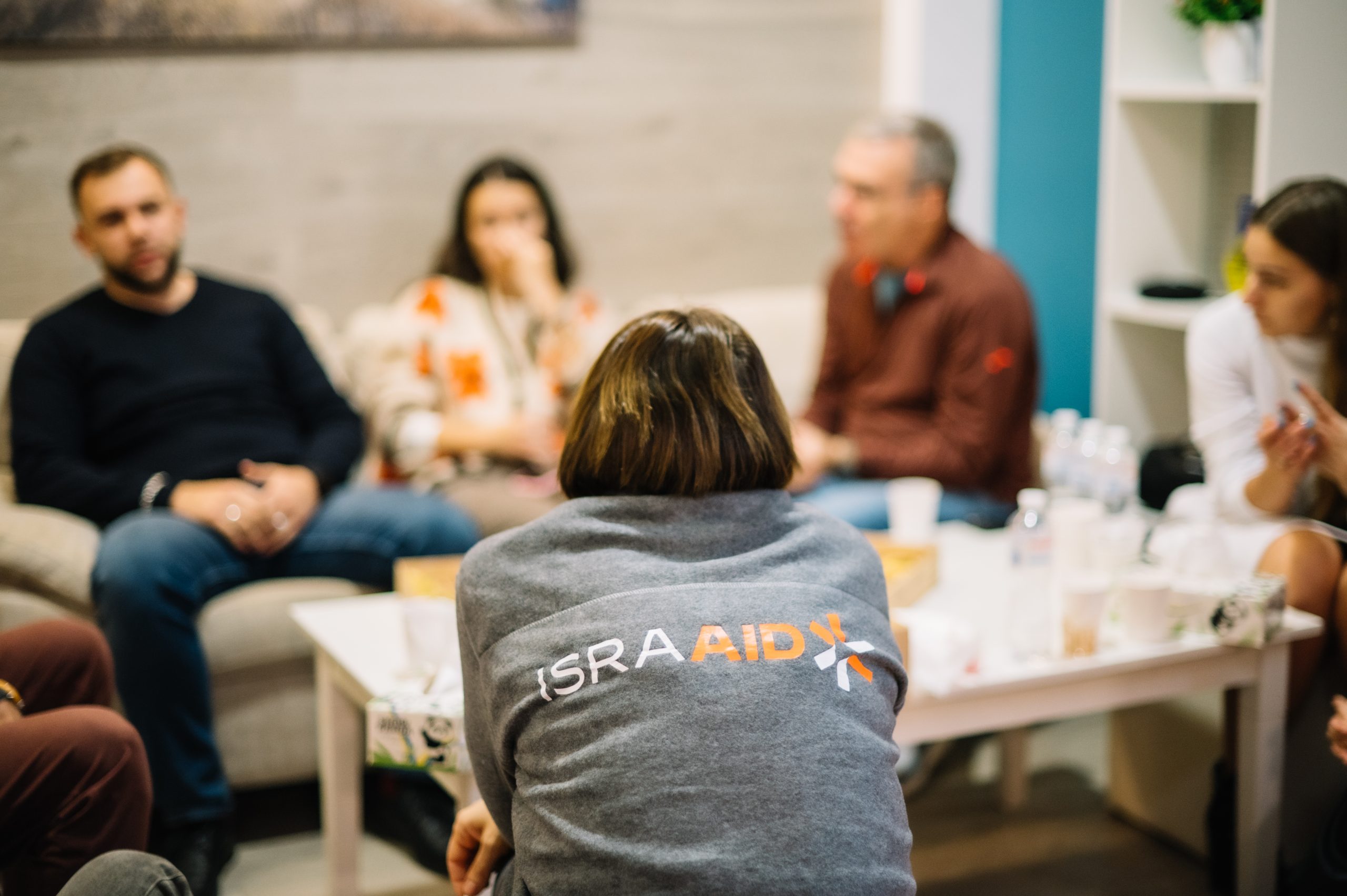
Tamar Kosky Lazarus, Chief Development and Communications Officer at IsraAID, argues that the current process for development organisations to apply for major grants needs rethinking. It is time that the process becomes less onerous, less jargon-filled and more accessible. This would not only allow organisations to focus on their essential programmatic work on the ground, but also play a crucial role in advancing genuine localisation efforts within our sector.
AIDN’s Summer Reading List 2024.

AIDN’s Summer Reading List 2024.

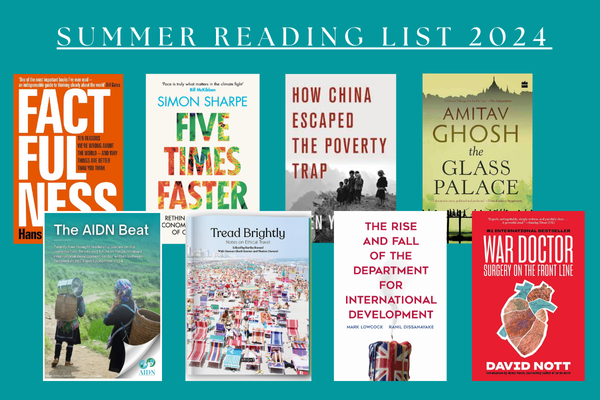
AIDN has compiled an international development, global issues and philanthropy themed "Summer Reading List" based on our recommendations throughout 2024.
AIDN’s 2024 Summer Listening List
AIDN’s 2024 Summer Listening List

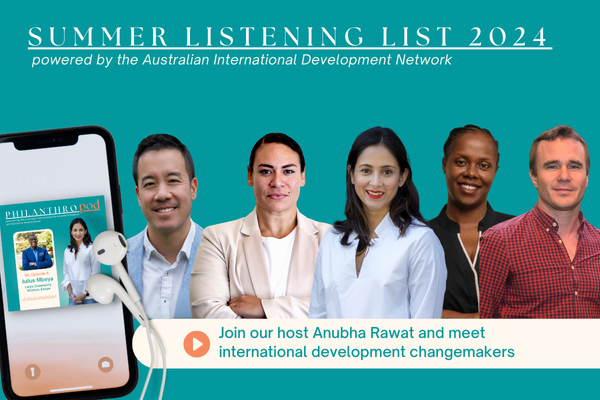
AIDN has compiled our international development, philanthropy and global issues themed "Summer Listening List" for 2024 - based on 2024 Philanthropod seasons. We've grouped the episodes into broad themes to pique your interest….
How eye health could be a catalyst for global development.
How eye health could be a catalyst for global development.

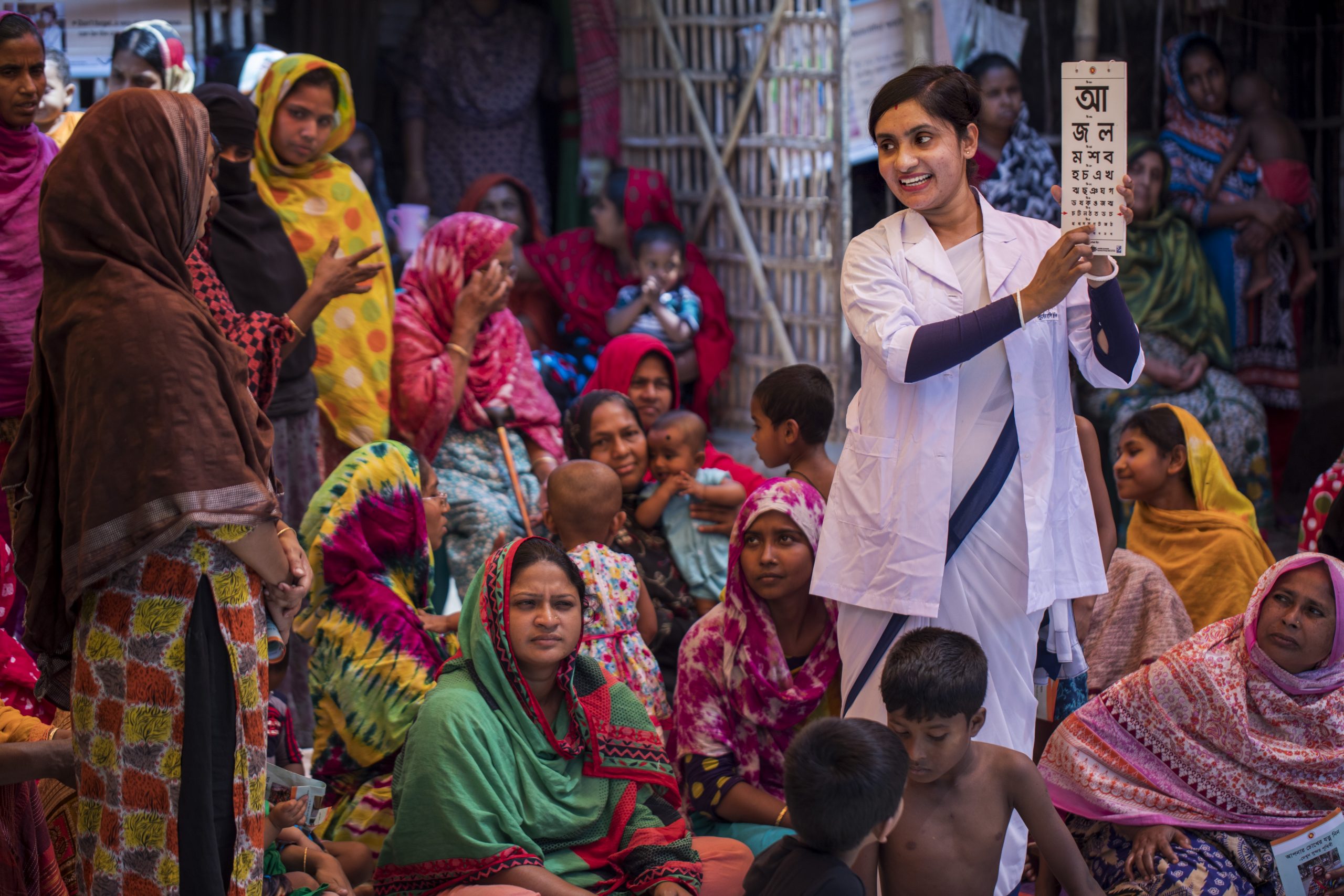
Brandon Ah Tong (Director of Policy and Advocacy at The Fred Hollows Foundation) argues that preventable blindness is not just a matter of inadequate eye health—it’s a critical global development issue related to poverty reduction, economic growth, gender equality, and education. Consequently, Brandon and the team at The Fred Hollows Foundation believe it is high time that eye health is actively included as an indicator in the SDG framework.
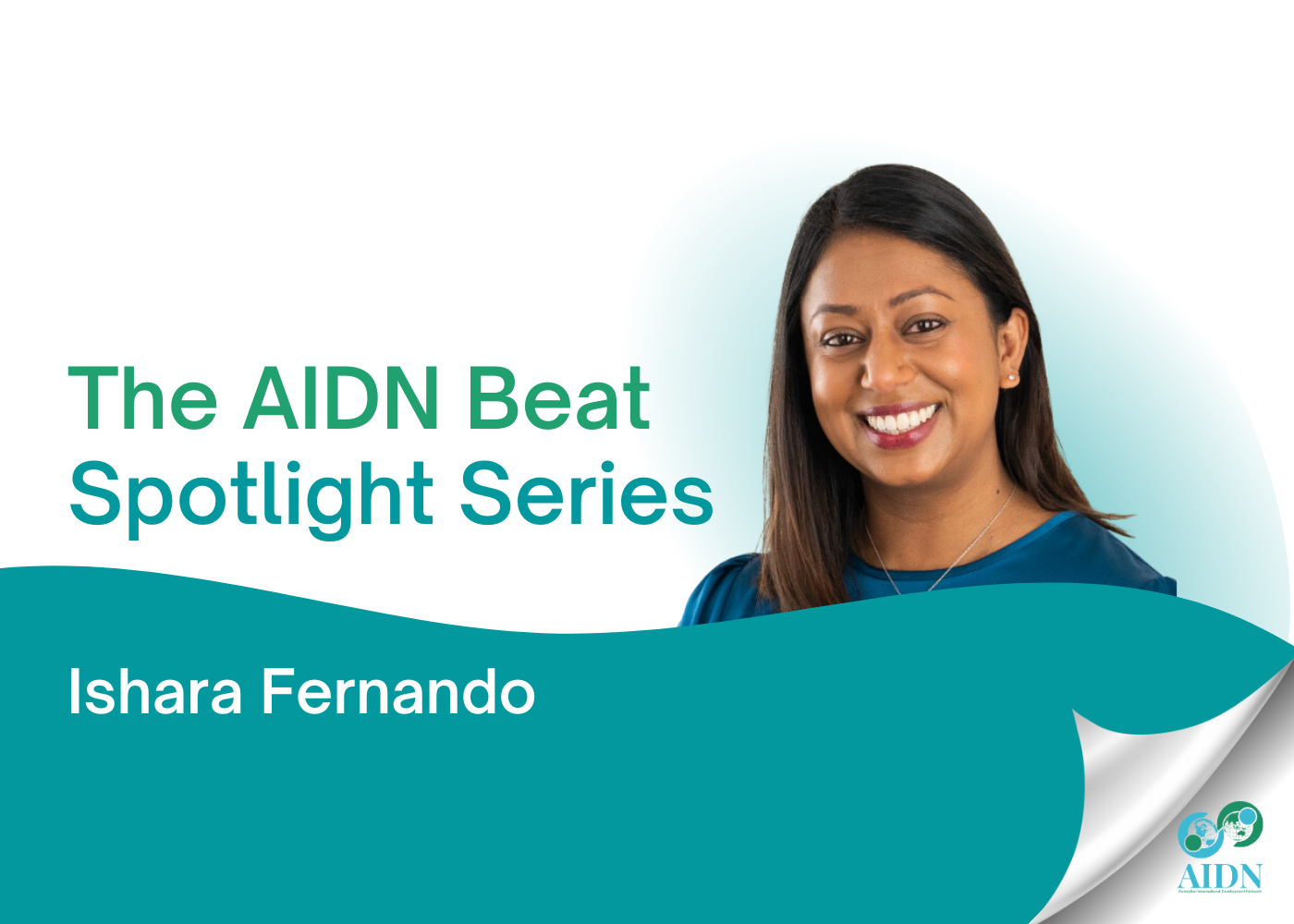
AIDN Beat Spotlight: Ishara Fernando

AIDN Beat Spotlight: Ishara Fernando

Through The AIDN Beat Spotlight series we hope to highlight a diverse range of sector experts and learn more about their journey in the international development sector. Meet Ishara Fernando, BlueRock's Philanthropy and Impact Manager.
The next key opportunity for Australian aid and development? Scalable investments in African education.

The next key opportunity for Australian aid and development? Scalable investments in African education.

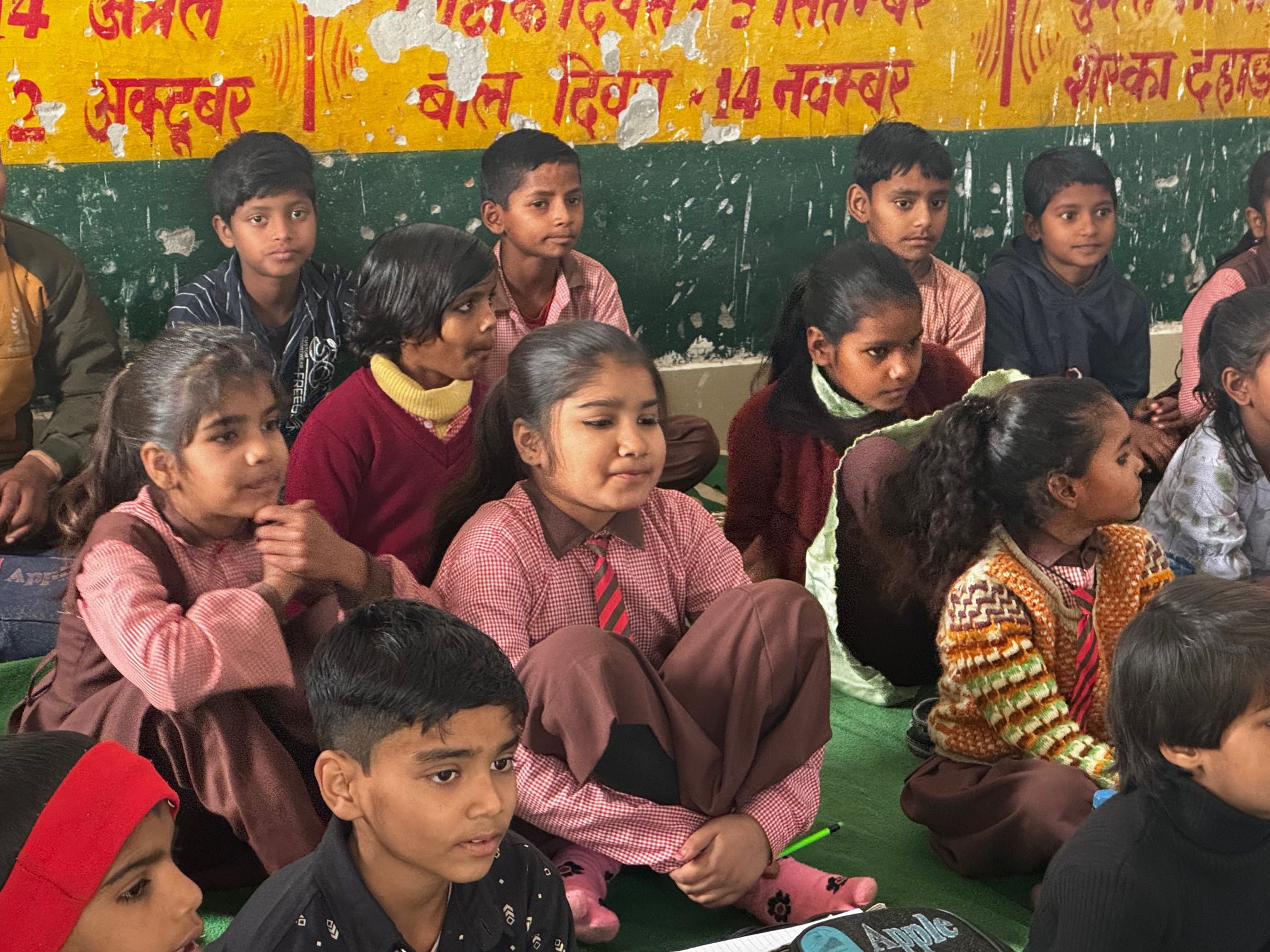
Cassandra Treadwell, CEO of So They Can, explores the transformative potential of scalable investments in African education. Cassandra advocates for Australians to move away from a framework of "charity" or "aid", and instead seize a key opportunity to drive global equity and economic growth through investing in education. In particular, Cassandra highlights how targeted, innovative partnerships can address systemic barriers and unlock sustainable development.
Two continents, one mission: How an Australian-Ugandan partnership sparked transformative change in rural Uganda.

Two continents, one mission: How an Australian-Ugandan partnership sparked transformative change in rural Uganda.

This vignette style piece invites our network to explore the evolution of Help 'Us' Grow (HUG), an Australian NFP supporting Ugandan initiatives since 2007. Told through the perspectives of founder Helen Brown, on-the-ground leader Ssemwogerere David, and key funder Mark Cubit, the piece highlights the transformative impact of Aussie fundraising and philanthropy when driven by passion, reflection, and community ownership.
Exercising the governance muscle – why inclusive land governance matters.

Exercising the governance muscle – why inclusive land governance matters.

In this incisive piece, Elizabeth Daley (Chair of the Board of the Land Portal Foundation) strips back complex debates on “good governance” in international development for our network. Drawing on over 20 years of work on land rights and governance globally, Elizabeth argues that inclusive land governance promotes fairness, reduces conflicts, and challenges harmful social norms by ensuring all community members, especially marginalized groups, have a voice in land use decisions.
Amplifying impact and holding the lines: the case of the Forest Glades centre and Mild Traumatic Brain Injuries in Ukraine.

Amplifying impact and holding the lines: the case of the Forest Glades centre and Mild Traumatic Brain Injuries in Ukraine.

In this latest piece from Gordon Weiss (Planet Humana), our network is given a unique on-the-ground insight into the ongoing war in Ukraine. Gordon reflects on the work of the Forest Glades centre that is treating Mild Traumatic Brain Injuries, and the significant impact that small philanthropic funds can have in this ecosystem.
No results found.