On a fundraising trip earlier this year, a donor stared listlessly out the floor-to-ceiling windows of her 17th floor office onto the Singapore skyline as we presented the results of a year-long mixed methods research evaluation. When it came time for the Q&A she muttered something about causality being our sector’s “white whale,” and spun around quickly in her chair ending the meeting.
The meeting was scheduled for an hour. She stopped us after 35 minutes and thanked us for our time. Rejection is pretty common in our line of work, so I wasn’t phased. However, as we entered the hallway the donor pulled me aside and let the rest of the team walk to the elevator. “If I give you $100,000 USD will you seed fund the next generation of 1000 Days Fund organizations? You know better than I do who to back.” I was stunned. I was shocked. I chewed my lip. I nodded my head. I never nod my head. Anyone who knows me knows I always have some witty rejoinder locked and loaded— a quick retort just waiting in my back pocket. But not this time. This time I was at a loss for words.
The next morning the donor explained over coffee that this was her version of scale. She wanted to back organizations that had been through hell and made it out the other side. But she didn’t want to cut us a check, so much as have me find the next generation of founders and CEOs, and then make sure they had the budgets, boards, strategies and KPIs to create leverage. She wanted five 1000 Days Funds operating on six different islands in Indonesia. She didn’t want to have one big organization running on $10 million USD, she offered an alternative, a half dozen maternal health and malnutrition organizations running on $2 million USD. She didn’t want scale so much as leverage. I loved it. I was sold.
Why I was sold:
Across Indonesia, too many frontline NGOs working to solve maternal malnutrition remain overlooked—chronically underfunded, locally relevant but globally invisible, and struggling to build the governance needed for lasting impact, scale and sustainability. The talent is there: scrappy, determined founders with firsthand knowledge of their communities and an unwavering commitment to change. But in a sector too often structured around old networks and narrow definitions of “readiness,” these leaders face an uphill battle to earn the trust, funding, and mentorship they need to scale solutions.
The status quo isn’t working. Major funding rarely reaches early-stage leaders, meaning bold ideas rarely leave their hometowns, while most of Indonesia—Sumatra, Sulawesi, Papua—are left without credible, accountable organizations able to drive real progress. Systemic barriers—not a lack of vision or grit—stall Indonesia’s next generation of founders and innovators.
Australia currently spends about USD 7,000–7,500 per person per year on health when adjusted for purchasing power (PPP). That is more than ten times Indonesia’s per capita health spending in PPP terms. Do we really expect the Indonesian government to be the payer and the doer when it comes to scale? The math just never maths. What if instead of being obsessed with scale and the government as the payer and the doer, we started to look to organizations like Community Health Impact Coalition and design for leverage…tipping the scales…rather than continuing to believe the fairytale that scale will solve our problems.
What the sector needs now is a new playbook—one that intentionally bets on emerging leaders, provides them with capital, coaching, and governance tools, and connects them into a pipeline of peer organizations committed to Singapore-level standards. Only by investing early and sharing risk can we help these founders build organizations capable of charting their own course—and, in turn, shift the system to serve millions more women and children with dignity and effectiveness.
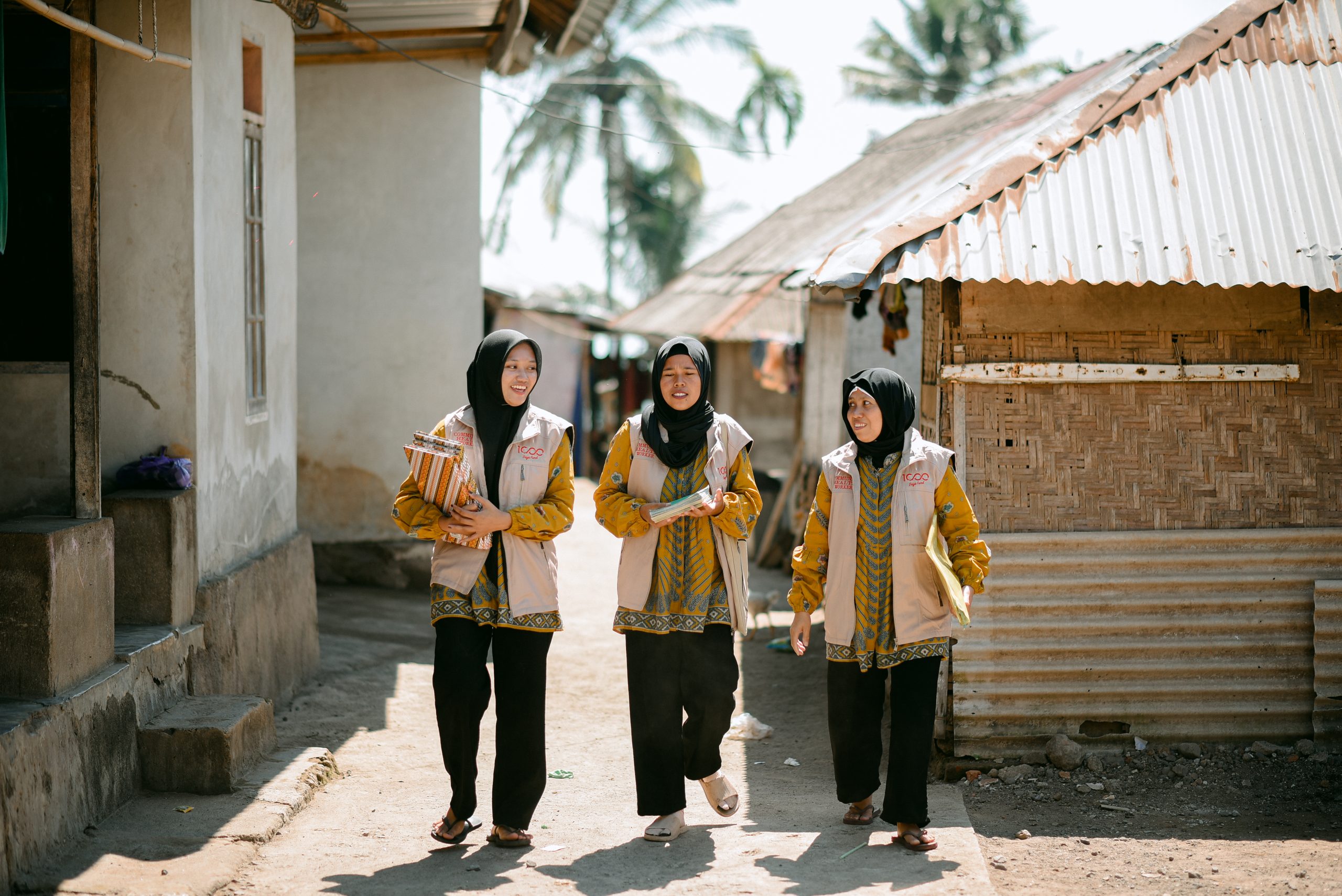
Community health workers from the 1000 Days Fund walk door-to-door in rural Indonesia, delivering essential maternal and child health support where it’s needed most. Source: 1000 Days Fund.
The second reason? Founders make unusually good funders because money feels very different depending on which side of the wire transfer you’re on.
For institutional donors, money simply has to move: pipelines, allocations, committees, and a PDF that says “$400,000 committed by Q4.” Going through the slings and arrows, the rejection and rollercoaster of raising money simply changes how a founder behaves once they’re the one writing checks. Institutional funders, however smart and principled, are structurally insulated. Founders, meanwhile, know the landscape and the tells. They’ve embodied a deep sense of what a dollar can actually do in a place with no signal and a barely functioning local government. That makes them both more generous and more ruthless: generous with risk when they see honest, messy early-stage work; ruthless when they smell theater.
Institutional funders have to get money out the door. That is their job. A founder-turned-funder has to be able to look a younger version of themselves in the eye and say: I didn’t fund you because your deck was pretty; I funded you because there was a real chance you would actually deliver for the people who need it most. One side manages capital. The other remembers what it felt like when that capital was the only thing standing between a good idea and bartending school.
And finally because the donor’s proposal actually represented an idea that had already been swimming around in my head for the better part of two years: that NGOs with a budget over $2 million USD should start writing checks out of their own operating budget and seed the most promising smaller organisations you can find. Organisations like the 1000 Days Fund should put their name and reputation to work lighting the path, opening doors, and making sure the next generation gets further, faster. Because that’s how you maximize your impact and build an ecosystem.
Launching “Black Licorice”
Together, we agreed that for the next 5 years we would cut unrestricted checks of $20,000 to founders and CEOs of maternal malnutrition and community health programs with the objective of having a dozen 2 million organizations by 2030. And in that moment my role as a founder evolved and it unlocked something that until then had been simply simmering below the surface.
Sneaky scale, she called it. I call it Black Licorice and have since launched the initiative.
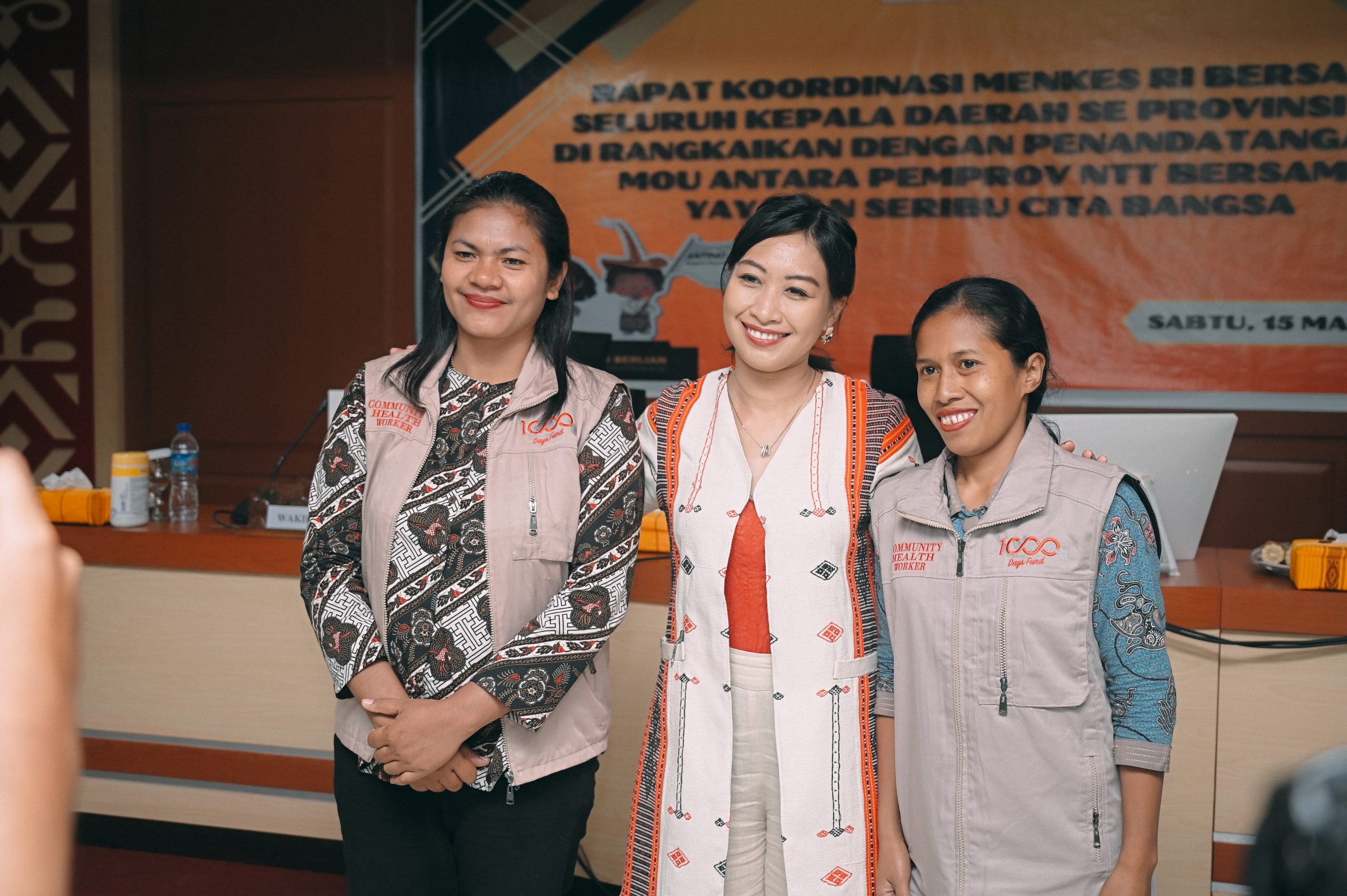
Over the next 5 years Black Licorice will fund 25 fellows with the objective of building an army of donor-ready Indonesian organizations across the archipelago. Source: 1000 Days Fund.
Black Licorice will fund Indonesia’s first homegrown wave of mission-driven founders. We will commit $20,000 of capital early to help bring other investors on board. This helps steer more resources to founders and funds that aren’t getting the attention and investment they deserve. We’re building a world where local founders have the same scaffolding, trust, and access to donors that the global darlings take for granted.
Unlike other fellowships, we won’t push scale for the sake of scale. We are focused on growing the next generation of Indonesian founders focused on maternal malnutrition and first 1000 days, and more importantly, giving them the skills and confidence to entice unrestricted multiyear funding from institutional donors. Being a fellow means having access to instructors and mentors who will help you build bulletproof budgets, robust boards, sound strategies and the kind of governance needed to secure multiyear unrestricted funding from mature donors.
By 2030, the Black Licorice Fund (a 1000 Days Fund venture) will have seeded 25 Indonesian-led organizations tackling maternal malnutrition and stunting and in doing so, rewrite the rules of how global development discovers and funds talented founders. The model flips the donor script: instead of waiting for permission or external validation, established nonprofits like the 1000 Days Fund will fund the future, channeling their own unrestricted budgets to back early-stage local founders long before big philanthropy can.
These founders—coached, mentored, and connected through the Black Licorice—will form Indonesia’s first tight-knit ecosystem of maternal health innovators: a peer-driven network capable of influencing national systems and donor priorities. Some will scale to Skoll or Mulago; others will remain small and insurgent by design. But their collective impact will prove something radical—that you don’t need foreign money or institutional gatekeepers to build lasting systems change. You just need the courage to bet on your own.
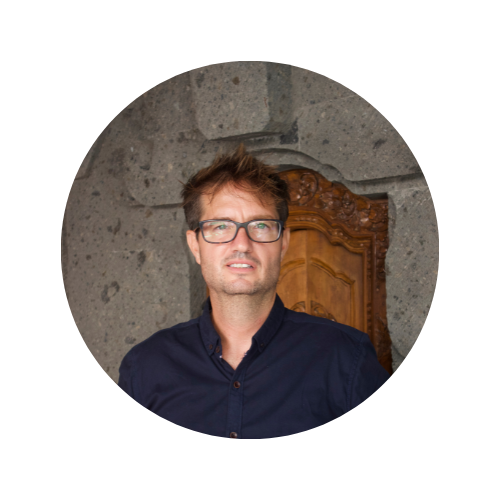
Zack Petersen is the founder of Black Licorice and the architect of its founder-first approach to fellowships, seed funding, and scale. Trained as a journalist, he later moved into global development, building on years traveling across the world’s largest archipelago and working for organizations like the World Bank. He is a graduate of the Fletcher School of Law and Diplomacy and served proudly as a Peace Corps volunteer in Mauritania. Originally from Iowa, Zack lives with his wife and their three girls—Audrey, Sienna, and Emma—in Bali, where they enjoy making salsa, hunting for starfish at low tide, Spelling Bee, and cracking dad jokes.
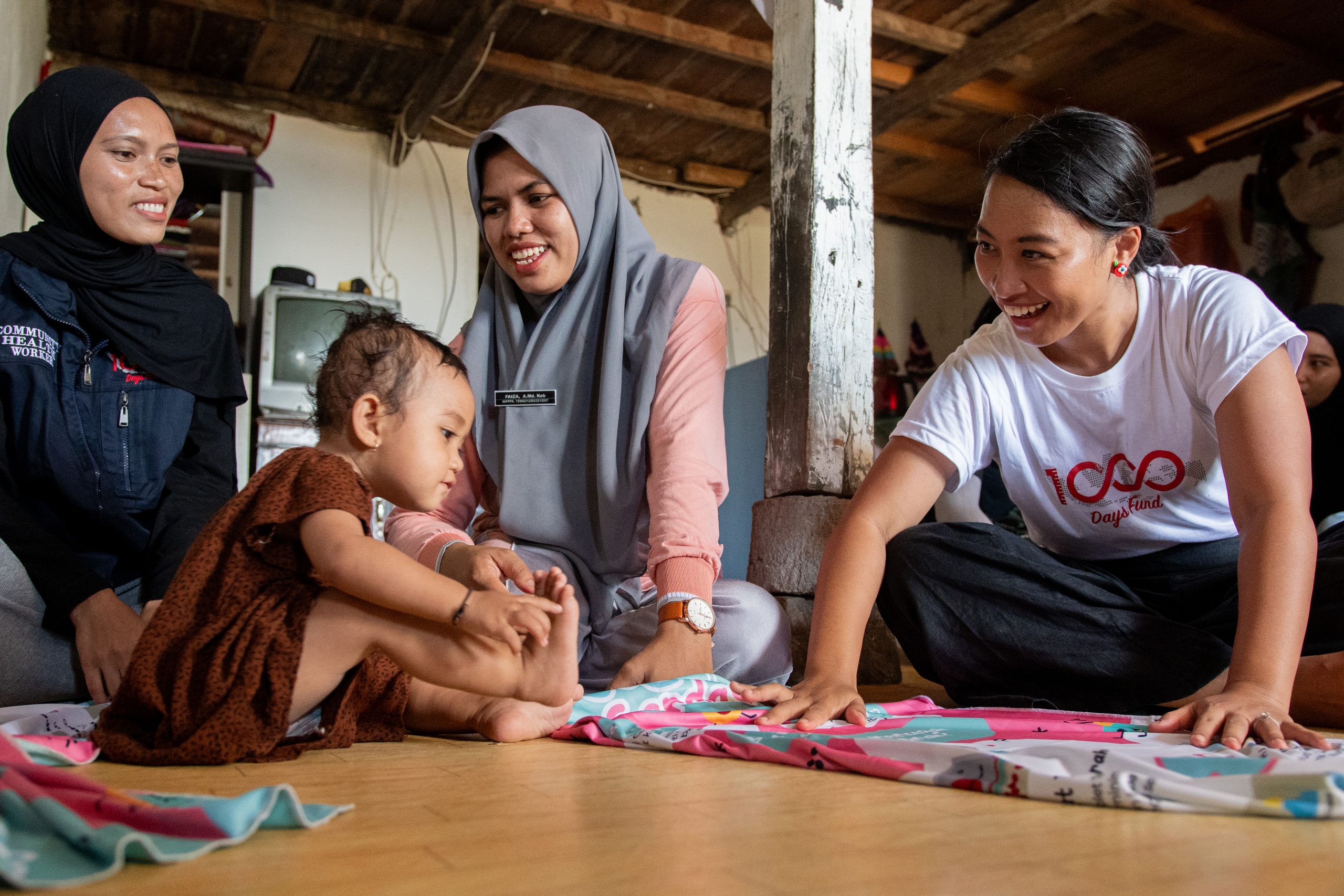
Feature image: Black Licorice gives Indonesian founders from the maternal health and malnutrition space the tools and confidence to build bulletproof budgets, sound strategies, robust boards and the governance and entice institutional donors and multiyear unrestricted funding. Source: 1000 Days Fund.