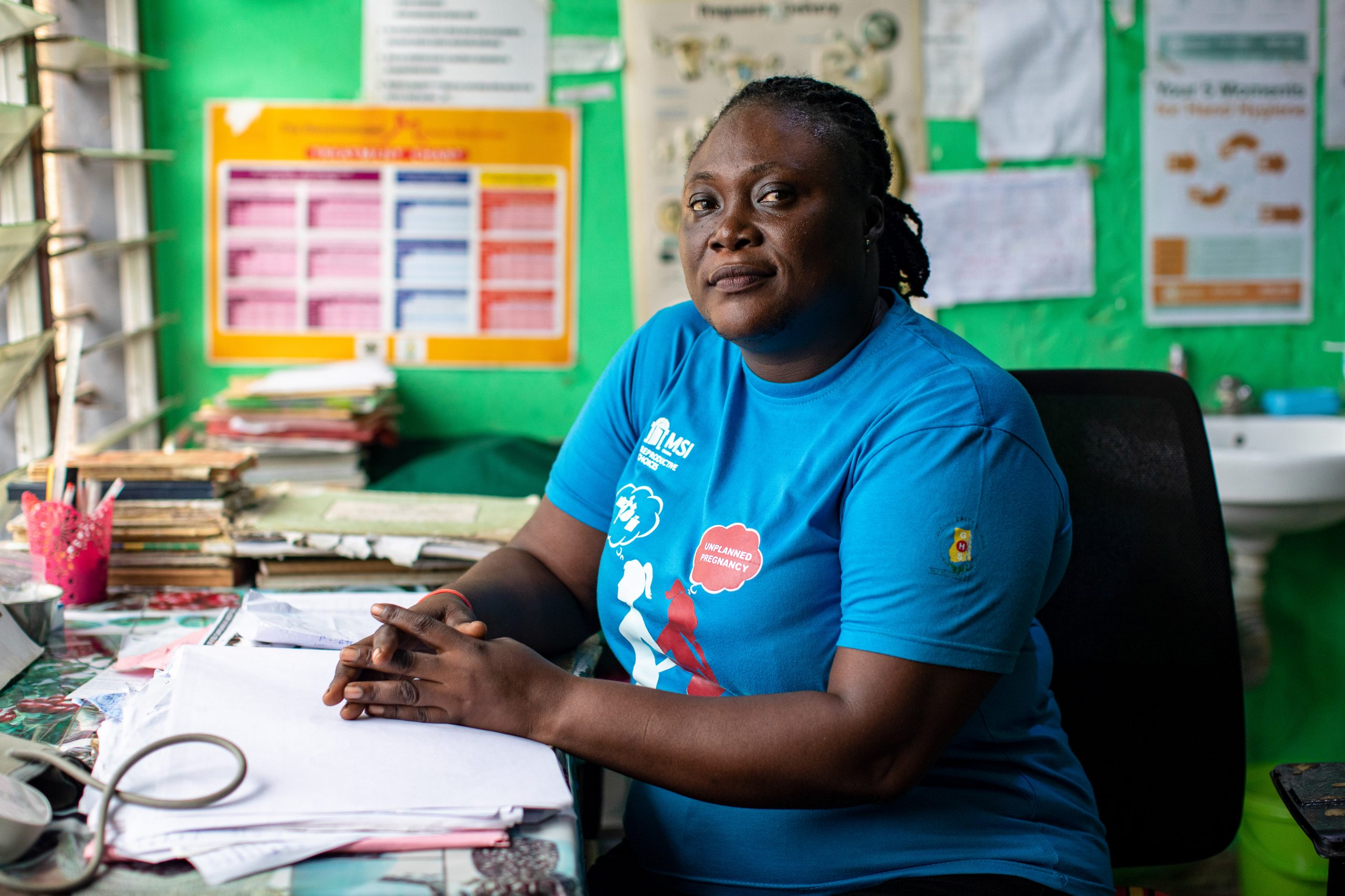
“I noticed our contraceptive supplies dwindling – women kept asking us what’s happening. We had to tell them the US have cut everything. ‘But please, I don’t want to get pregnant,’ they say. All I can respond with is, ‘I’m so sorry.’” – Lilian, public health provider in Ghana.
The ‘global gag rule’ is a US anti-abortion policy preventing organisations from receiving funding from the US government if they provide or promote abortion services. Under Trump’s second Term and with the dismantling of USAID in January 2025, the global gag rule was reinstated. MSI Asia-Pacific quickly provided an update to the AIDN network on this 2025 expansion. One year on, we are devastated to highlight yet another expansion of the global gag rule by The Trump administration. At MSI, we are steadfast in the belief that our sector cannot stop fighting this ongoing war on reproductive rights.
What is the global gag rule?
The US has historically been the largest government donor worldwide, providing billions of funding each year to health and humanitarian causes around the globe. Before 2025’s brutal aid cuts, thousands of organisations and millions of people had relied on US funding to provide and access essential healthcare.
Originally called the “Mexico City” policy in 1984 when it only applied to family planning funding, the global gag rule blocked international non-governmental organisations from receiving funding from the US government if they provide or promote abortion, even with their own money.
The policy is known as the ‘global gag rule’ because it has a silencing effect. It creates confusion, reinforces negative attitudes, suppresses healthcare information, and buries important conversations around health and gender. Some organisations have been scared to refer women to abortion services, even in cases of rape, incest, or to save a woman’s life (the policy permits abortion under these circumstances). Some NGOs have even ceased their advocacy work altogether in case they lose their funding.
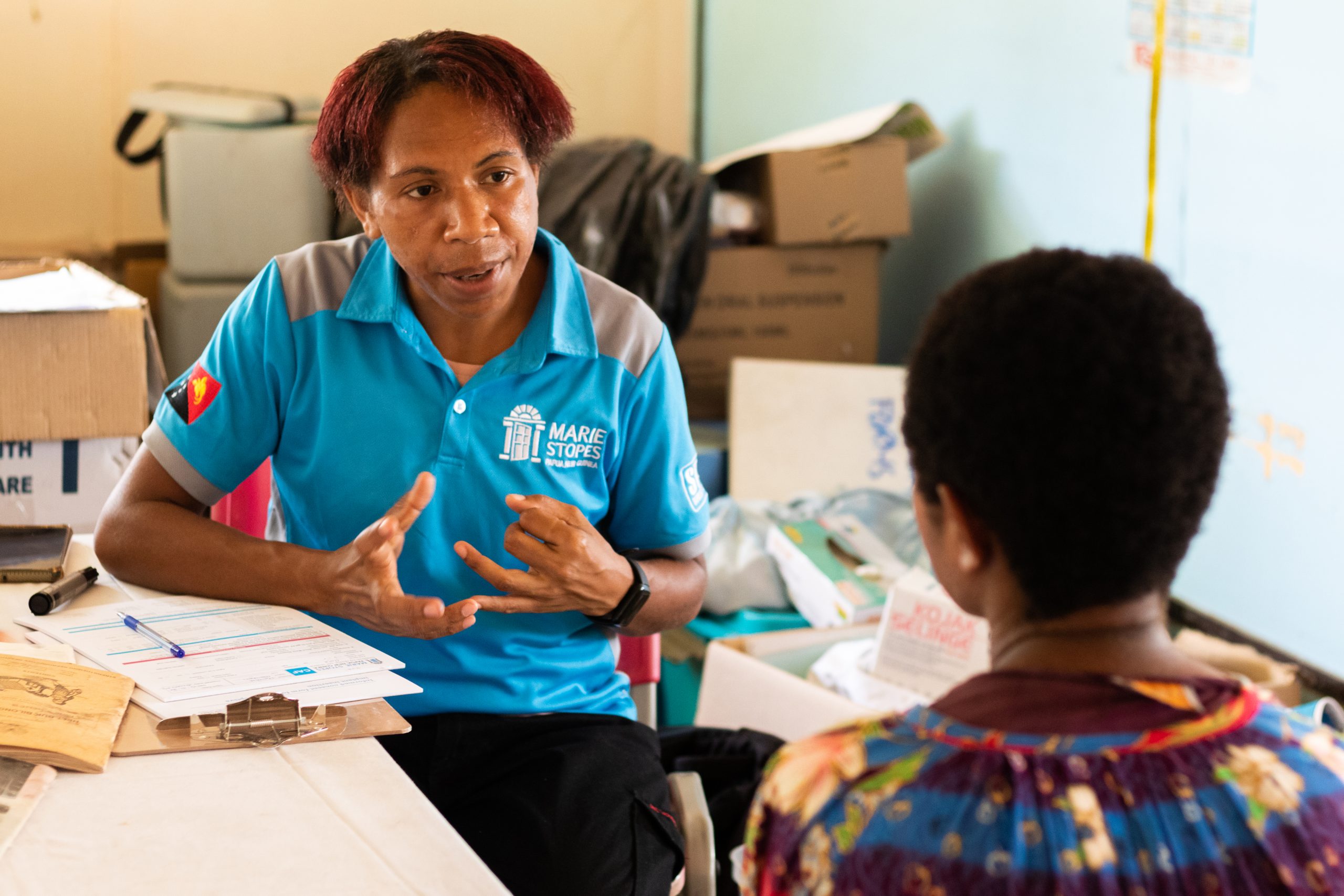
Image: MSI in Papua New Guinea. Source: MSI AsiaPacific.
Further changes in 2026.
Devastatingly, as of January 2026, the global gag rule has now been expanded by the Trump administration and named the ‘Promoting Human Flourishing in Foreign Assistance’ policy. The three major changes are as follows:
1. Expanded to include ‘gender ideology’ and DEI
While the policy was historically focused on abortion, it has now expanded to restrict what the Trump administration calls ‘gender ideology’ i.e. LGBTQI+ rights and identity, as well as any efforts to promote diversity, equity and inclusion (DEI).
2. Expanded to apply to all aid programmes
Previously, the global gag rule applied only to health programmes. Now, it will apply to all aid (non-military programmes) which means humanitarian and development programmes such as food aid, education or water and sanitation, too. For example, humanitarian groups may not be allowed to support people with abortion information or services in warzones and natural disasters.
3. Expanded to apply to US-based organisations and governments
The global gag rule also used to only apply to international NGOs, but now it will also restrict US-based organisations and other governments that have aid agreements with the US. When it comes to governments, we don’t yet know how this will work in practice. It could mean that African governments entering bilateral agreements to reinstate assistance from the US – which many currently are – could be restricted in their ability to provide abortion care within their own public health system where the US is providing funding. Waivers will supposedly be available, but much remains unknown around how or if they will be granted and there is a risk of over-implementation that could constrain national health systems more broadly.
The global gag rule is a massive overreach of US power. It dictates what organisations can and cannot do internationally, and seeks to impose the Trump administration’s approaches on foreign governments. If an organisation or government doesn’t abide by these restrictions, they will lose all aid from the US. This massive expansion will impact people’s health, rights, and lives, and follows their Project 2025 plan to ban abortion in America and overseas, put a stop to DEI efforts, and erase LGBTQI+ rights.
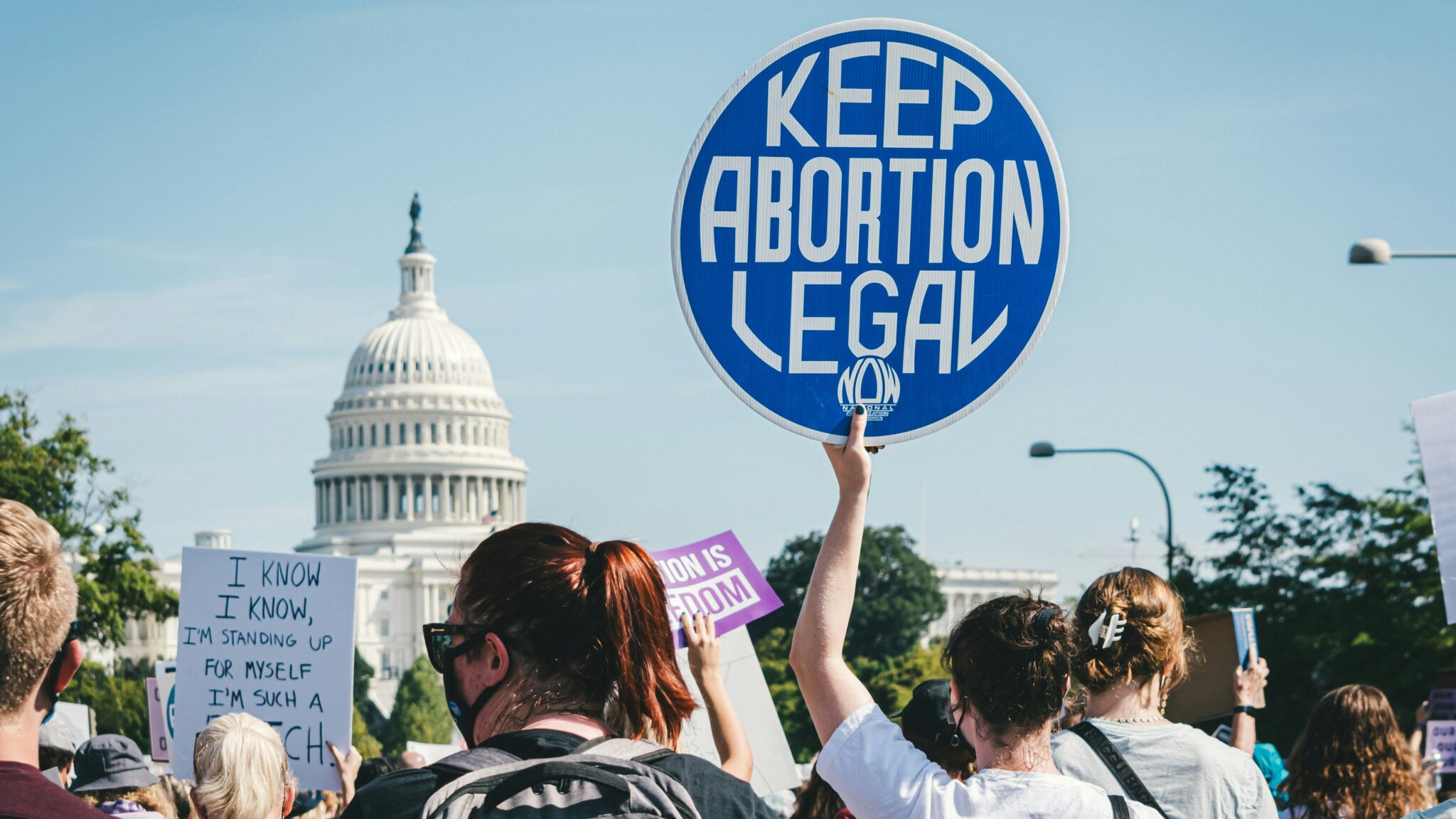
Image source: Gayatri Malhotra/MSI
MSI Reproductive Choices.
We persevere even though MSI lost around $30 million a year when Trump was in office for his first Term. The impact on women and girls was devastating. Some of MSI’s services were forced to close in Uganda, Madagascar and Nepal, to name a few. The Guttmacher Institute published a study, developed with insights from MSI programmes, revealing the gag rule disrupted critical health services in Uganda and Ethiopia. It stalled and reversed progress in reproductive health, with long-term harms to women’s and girls’ ability to make decisions about their own bodies and healthcare.
When Trump reinstated the global gag rule in January 2025 at the start of his second term, we lost a further $15 million. We estimated that 2.6 million women and girls would lose access to our sexual and reproductive health services globally without this funding – and we have been fundraising and working with our incredible donors to protect access to services wherever we can since.
MSI has never and will never sign the global gag rule. We unapologetically provide abortion care wherever the law permits, and we advocate for abortion rights across the globe. MSI will continue to stand strong for sexual and reproductive health and rights, and work with governments, healthcare providers and donors to protect these essential services. We refuse to stop.
The global gag rule is a reminder that the fight for reproductive freedom is far from over and that policies like these disproportionately harm women, particularly in marginalised communities. MSI will continue to fight for and provide abortion care across the world. Join our fight to protect our reproductive rights.
 Grishma Bista is the Chief Executive Officer of MSI Asia Pacific. She brings over 20 years of experience in gender equality, public health, and international development, with senior roles at IWDA, Care, Oxfam, and UNICEF. She previously led MSI’s program in Timor-Leste as the Country Director and has served on the MSI Asia Pacific Board.
MSI Asia Pacific (MSIAP) is part of the MSI Reproductive Choices global partnership. As our name suggests, we are unapologetically pro-choice. We believe that everyone should have the freedom to determine their own future, on their terms. Our teams work across 36 countries and six continents, supporting women and girls to access reproductive healthcare — including abortion and contraception. With the help of our partners and donors around the world, we open doors, advocate for change, and strengthen public and private sector provision. We go further than anyone to make reproductive choice possible, and ensure quality reproductive healthcare is available for the long-term. By supporting women and girls to make the choices that are right for them, we can make a generation impact — increasing gender equality, breaking cycles of poverty and contributing to several sustainable development goals.
Feature image: MSI Ghana’s programme in Obuasi. Source: MSI.