

In the corporate world, when two founder-led companies merge, generally, someone is being taken over, someone is cashing out, or someone is counting the savings. In the international development or for-purpose sector we tell a gentler version: someone needed rescuing from financial pressure, from burnout, from an uncertain future.
But what happens when no one needs rescuing, but an opportunity to maximise impact emerges? And in a sector with huge amounts of duplication, why aren’t opportunities like this more readily acted upon?
One Heart and Musana were founded within a year of each other, in 2007 and 2008 respectively. Both organisations began in East Africa as children’s homes that quickly shifted into community development organisations. One Heart was founded in Australia by Dean Landy and built deep roots and strong local teams in Kenya and Tanzania. Musana in Uganda was founded and is led by Andrea and Haril Kazindra, and comprises comprehensive social enterprises in education, health care, and hospitality, designed to become financially self-sustaining and reduce the dependence on foreign aid.
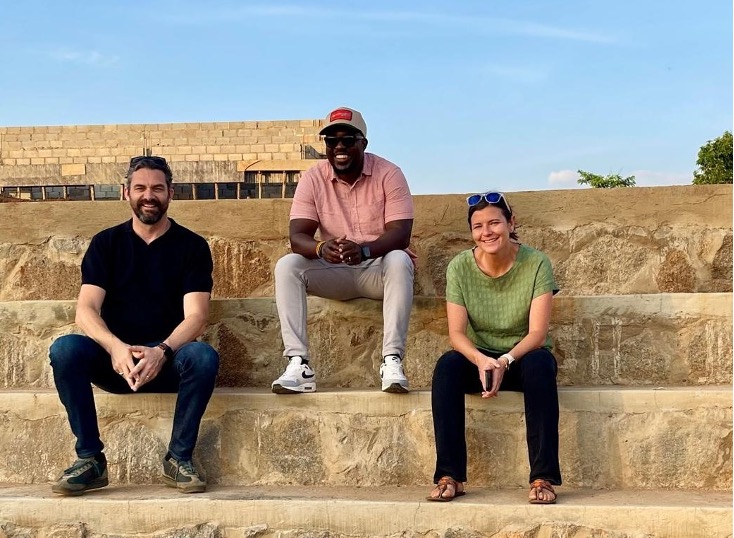
Caption: Dean, Haril & Andrea, Musana
In July 2026, One Heart joined Musana, bringing together our teams, experience, and shared vision for the future. Neither was failing. All three founders are still here. Our missions were only a few words apart, and the question we kept coming back to was simple: why work separately when we can collaborate?
At the heart of our decision was our belief that shifting power means changing structures. We talk a lot about shifting power to local leadership in our sector, and 43% of ACFID members now have a formal commitment to locally led action. But commitments are the easy part. The harder test is whether we’re willing to change our own structures, our names, our boards, where decisions are made, so that local leaders are genuinely at the helm.
For us, that meant Musana leading. Rather than establishing a new organisation headquartered in Australia, we brought our operations together under Musana’s existing Ugandan-founded leadership and operating model. Andrea and Haril Kazindra continue to lead the organisation globally, with Haril overseeing operations across Uganda, Kenya, and Tanzania.
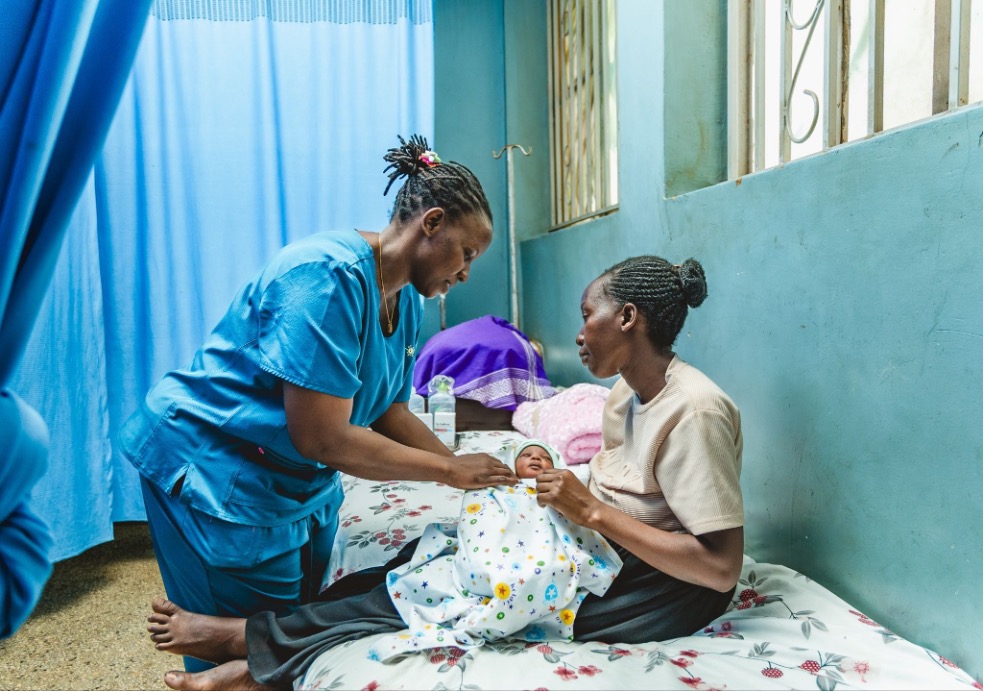
This is because Musana’s model rests on a simple idea: a community shouldn’t depend on outside funding forever. Schools, hospitals and enterprises are built to become financially self-sustaining, so communities can care for their own most vulnerable people with locally generated income.
However, this isn’t just a story about mergers being the answer. It’s about being honest that collaboration costs something, weighing that cost against what it could mean for the people we serve, and then being willing to pay it. Getting there taught us something our sector doesn’t talk about enough. Collaboration isn’t free. It asks you to give something up, and that’s usually the part we skip over. Here’s what this process of compromise and collaboration asked from us:
A name. Boards, systems and reporting lines can be redesigned on a whiteboard. A name is different. It holds years of stories, relationships and identity, for founders and for the supporters who’ve walked alongside them. When Dean chose to let go of the One Heart name, it wasn’t a branding decision but was about the clear opportunity to effectively maximise the impact of our programs. As Dean puts it: “This isn’t just one plus one equals two. It’s a multiplying factor.” More countries, more local leaders, more funding markets, and a model already proven in one place, ready to grow in others.
Control. For all three founders, the cost included welcoming others into decisions that used to be theirs alone. Shared leadership is slower and messier. We haven’t solved founder dependency. We’re still on that journey. But the merger was a deliberate step along it, spreading leadership, relationships, and knowledge across more people in more places. We’re intentionally building an organisation that can outlast all three of its founders. Founder transition doesn’t have to mean leaving. It can mean giving up control without giving up commitment. AIDN explored this in a recent episode of Philanthropod with Integrate Health noting that the courage to start something and the humility to hand it on are two halves of the same commitment.
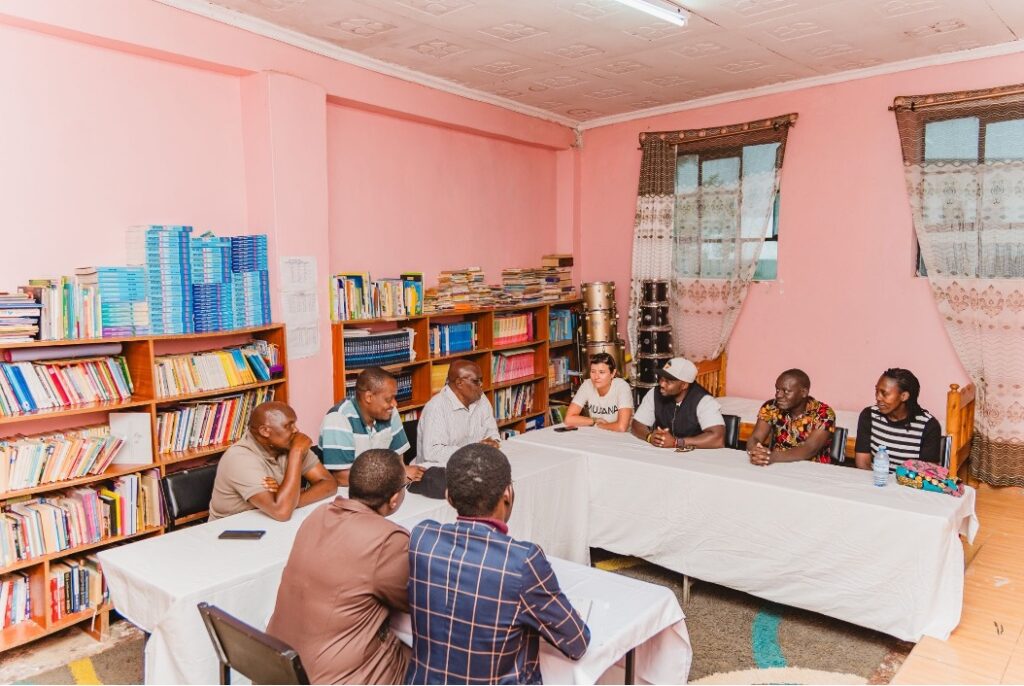
The way we work. For Andrea and Haril, one of the biggest challenges has been preserving the principles that have shaped Musana’s model over the years: dignity, local ownership, accountability, and financial sustainability. While both organisations shared a common vision, they had developed different approaches to putting it into practice. Coming together has meant learning from one another, challenging established ways of working, and aligning around a proven model designed to strengthen local leadership and reduce external dependency. That transition has required real adjustments, both organisationally and on the ground, while honoring what Dean and the One Heart team have built.
Trust. Supporters don’t just give to a cause; they give to a relationship, often with a founder they know by name. Asking them to come into something new means trusting that their loyalty is to the impact, not the logo, and earning that trust again. It took radical transparency and patience. One Heart kept 99.7% of their monthly donors.
Comfort. For our teams, everything familiar became new again: systems, language, who needs to be in which rooms. Clear, frequent communication and genuinely welcoming questions is what got us through.
We didn’t get every part of the merger right, and the process wasn’t always smooth. But as Bonney Corbin wrote for ACFID in 2025, “moving forward requires truth-telling and humility.” What made those challenges worth navigating was our agreement on the things that mattered most. Shared values meant the hard conversations were about how to move forward together, never why.
The reward isn’t a bigger organisation or a stronger brand. It’s the multiplying effect: reach neither of us could have built alone. More children in school, better healthcare, more families with a steady income, and communities that no longer need us. Lasting change, led by local teams, long after we’ve left the room. That’s worth a little discomfort.
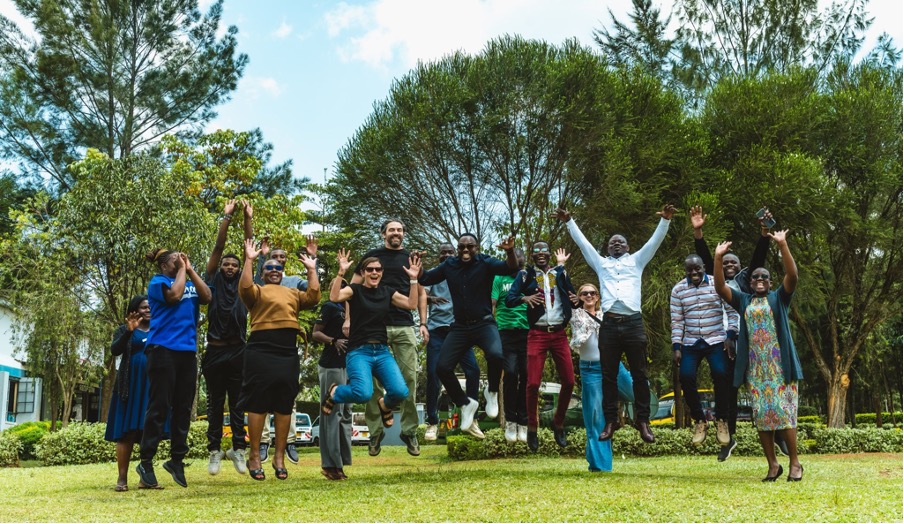
Caption: Ugandan & Kenyan teams, along with Dean, Andrea, Haril and Hannah on the One Heart, now Musana, school in Turbo, Kenya.
So here’s the question we’d like to leave with you: is there anything you’re holding tightly that your mission might need you to hold a little more loosely?

Hannah McHugh is Managing Director of Musana Australia, and before that was General Manager of One Heart, so she has seen this merger from both sides. Over two decades in the for-purpose sector, she has come to believe the best work happens when organisations hold things loosely and work together generously for the good of each other and the communities they serve.
Musana is a community development organisation working in East Africa to create a world free of dependency and full of dignity. Using philanthropic capital, Musana builds ecosystems that create the environment for a community to thrive: schools, hospitals, women’s empowerment centres and enterprises that become financially self-sustaining. The communities support the most vulnerable within them through scholarships, health outreaches, subsidised healthcare and women’s empowerment centres, increasingly supported by locally generated revenue rather than ongoing donor funding.