
In Australia, only about 10 cents in every donated dollar goes to international causes (JBWere, 2018), not because people don’t care, but because they don’t feel connected.
There’s a quote from Daniel Wordsworth that I keep coming back to: “Proximity is the antidote to indifference.”
We care about what feels close. We give where we understand the need, where we can see the impact, and where we can picture the people behind the cause. For those of us committed to international development, that presents both a challenge and an opportunity. How do we create genuine proximity between Australian donors and communities on the other side of the world?
Traditionally, one answer has been immersion trips.
The Payton Foundation exists to empower vulnerable people to transform their lives through health, housing and education; partnering with grassroots organisations locally and globally. At the heart of our approach is a belief that lasting change happens through trusted relationships, which is why we invest deeply in both communities and the people who support them. Each year, we invite a group to travel with us to visit our charity partners both locally and globally.
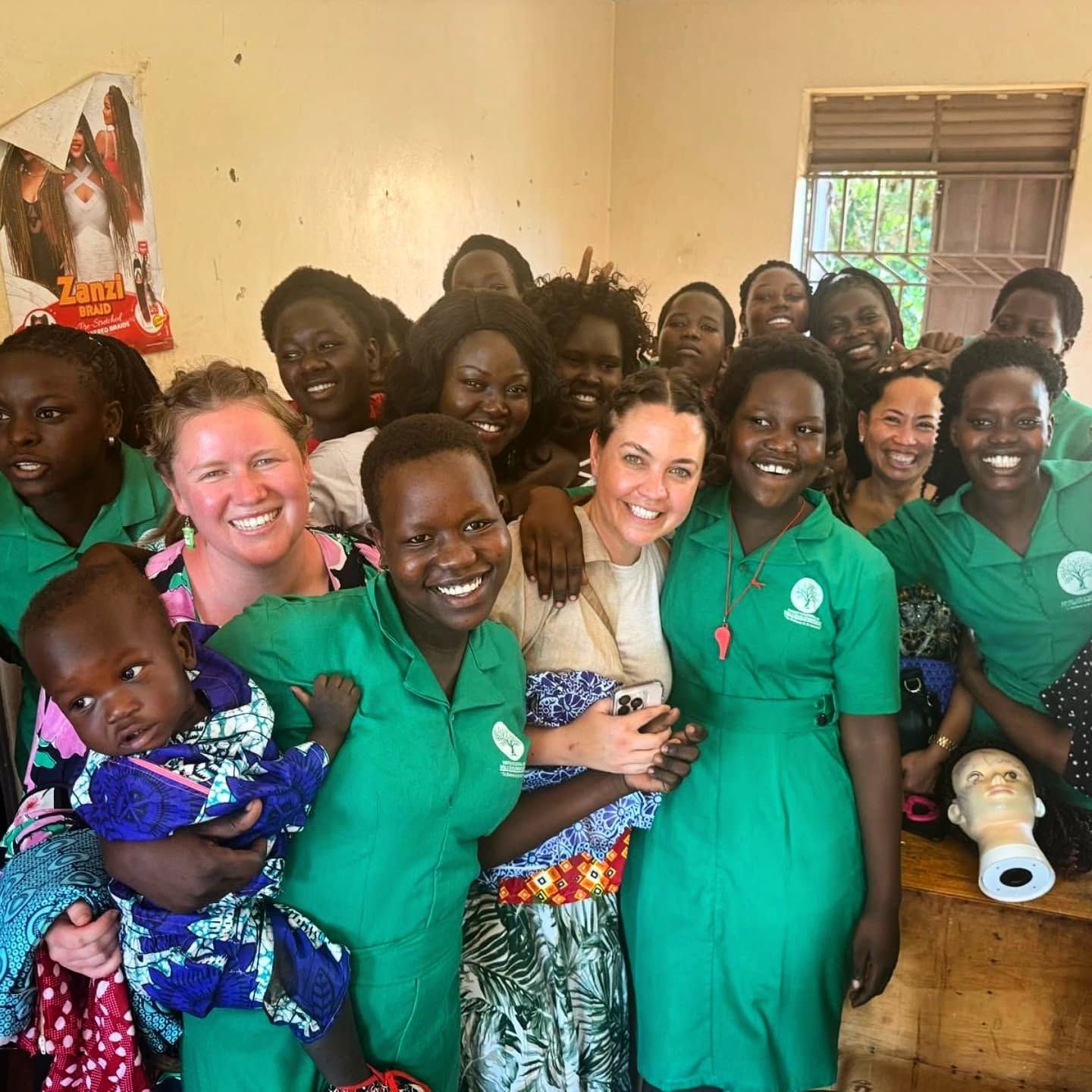
On our Immersion Trip in East Africa we met young mothers full of joy and determination despite scarcity. We stood in classrooms where girls are passionate about learning despite limited resources. We held mothers’ hands and wept with them over their children still dying of preventable illness. We listened to teachers and health workers creating extraordinary outcomes with very little. When you meet the people behind the statistics, global development stops being an abstract concept. Proximity changes us and it calls us to act.
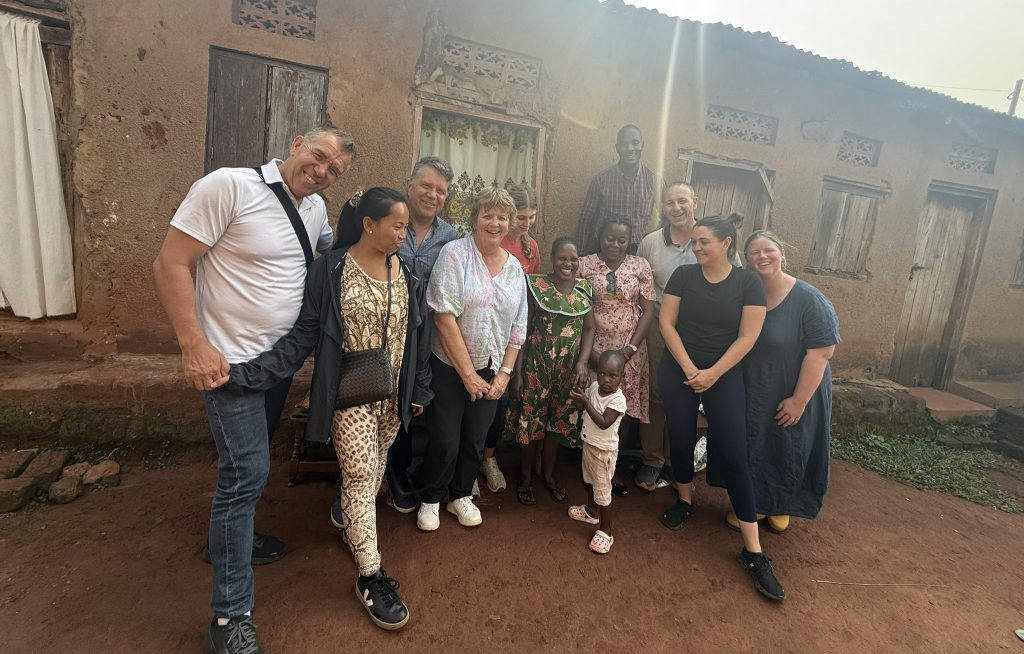
Source: The Payton Foundation
Physical presence is powerful. If you’ve never been on an immersion trip, I would encourage you to go. It will change you. It will challenge assumptions, deepen empathy and give you a richer understanding of both the complexity and possibility of development work. You will see firsthand the leadership, resilience and innovation that exists within communities, often in circumstances far more challenging than anything captured in a funding proposal.
But increasingly, I’ve also realised that the greatest value of these experiences isn’t what happens while people are overseas. It’s what happens when they come home. The real opportunity is not simply creating proximity for the people who travel. It’s equipping those people to create proximity for others.
Following our recent immersion trip in east Africa, one of the participants returned inspired to gather her network of women in business for an International Women’s Day event. The room was filled with accomplished, generous women who cared deeply about gender equality. Many already supported causes in their local communities but few had a strong connection to international development. We celebrated the legacy they were building and introduced them to a community in Uganda not through statistics, but through people. Through relationships. We brought a touch of Africa to them, opening the event with African drumming and dancing. We shared the aspirations of girls pursuing an education, the challenges they faced, and the leadership already present within their communities. There was no pressure and no hard ask. Instead, there was connection. By the end of lunch, the women in that room had funded 42 secondary school scholarships for girls.
What struck me most was how quickly people moved from awareness to action once they felt connected. At the Payton Foundation our work is grounded in long-term partnerships with grassroots leaders. Not transactional relationships, but real ones built on trust, mutual respect and a shared commitment to lasting change. And that trust carries. When people trust you, they trust where you’re guiding them.
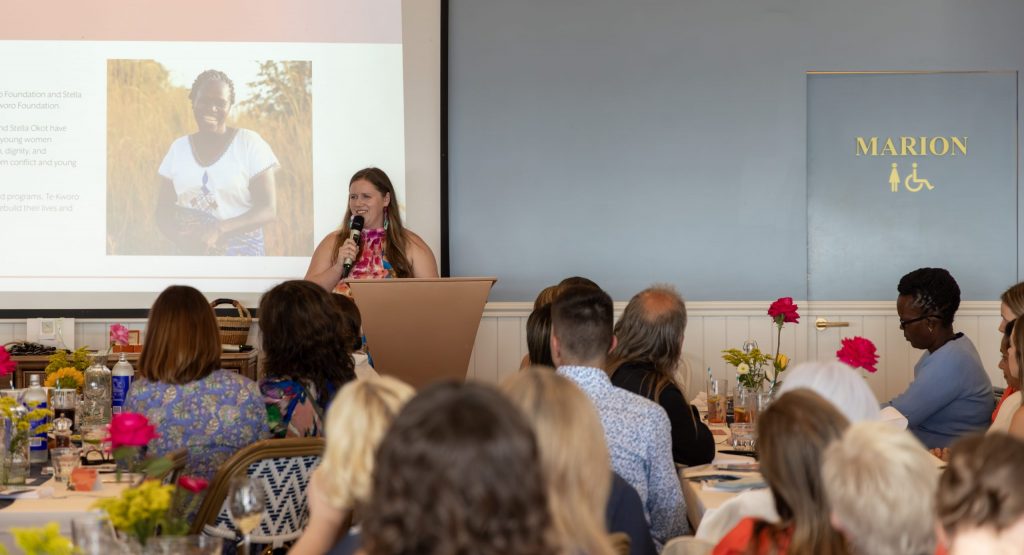
Source: The Payton Foundation
While immersion trips are powerful; connection can also grow in much simpler, everyday ways. When someone develops a genuine connection to a community, they become a bridge between that community and their own networks. They can introduce friends, colleagues, workplaces and social circles to people and stories they may never otherwise encounter. In this way, proximity becomes something that can spread:
– A supporter can share a story from the field with their workplace.
– A grassroots leader can be invited to join a virtual conversation with donors.
– A short video update brings a community’s achievements to life.
– A supporter can be empowered to host a gathering and invite others into a cause they care about.
When we do that, we extend the circle of connection beyond ourselves, allowing more people to feel part of something meaningful, and ultimately, more willing to act. We help close the distance between local generosity and global need. This is why we at the Payton Foundation are increasingly supporting our Immersion Trip guests not only before and during their Immersion Trips, but also to continue their journey after their Immersion Trips to spread awareness, network and maximise their impact
The challenge facing our sector isn’t a lack of compassion. It’s a lack of proximity. The more we can help people encounter the stories, relationships and leadership that already exist within communities around the world, the more likely they are to engage. Not because they were persuaded. But because they connected.
And when people feel connected, generosity often follows.
 Stephanie Hill is the Philanthropy and Engagement Manager at the Payton Foundation, where she leads donor engagement and strategic partnerships that support grassroots organisations across Australia, Asia and Africa. Passionate about community-led development, she works to connect supporters with the people and communities driving change in health, housing and education.
With experience spanning local community initiatives and international development programs, Stephanie believes meaningful relationships are at the heart of lasting impact. Her work focuses on creating opportunities for people to engage more deeply with global issues, transforming awareness into action through connection, trust and shared purpose.