Current situation
The Ebola outbreak in the Democratic Republic of the Congo (DRC) and Uganda is spreading rapidly.
As of June 2 2026, the DRC Ministry of Health reports 344 confirmed cases, 60 confirmed deaths and 116 suspected cases (CDC 2026).
The Ugandan Ministry of Health reports 15 confirmed cases, 1 confirmed death, 1 probable case and 1 probable death (CDC 2026).
With Congo at the centre of the Ebola outbreak, Uganda has closed its border with DRC in order to limit the spread of the virus.
Eastern DRC is extremely vulnerable due to ongoing conflict and instability. Fighting has intensified in recent months, displacing thousands of families and hampering life-saving health operations. The affected regions also host a number of refugees, especially from South Sudan. The outbreak has reached Ituri and North Kivu in eastern DRC. These provinces host more than two million displaced people (UNHCR 2026).
Cuts to international aid have had a severe impact on both Uganda and the DRC, and their health systems, since early 2025.
AIDN welcomed the news on 4 June 2026, that the Australian Government has committed $5 million to the Ebola outbreak. Australia’s contribution will be directed to frontline services through the International Federation of the Red Cross and the World Health Organisation.
Updates from NGOs and implementers on the ground:
Nama Health Impact in Uganda
AIDN spoke to Pauline Picho Keronyai, Executive Director of Nama Health Impact, in Uganda.
Pauline shared: “this is the second distinct Ebola crisis in eighteen months and our Community Health Workers are not starting from scratch. When the Budibugyo outbreak was confirmed in May 2026, we activated immediately. Our 1,466 CHWs are already embedded across 655 villages in Mukono and Buikwe Districts, directly bordering Kampala where the index cases were confirmed, conducting daily household visits and functioning as the primary surveillance layer at the community level. Building on training delivered during the 2024 Ebola-Sudan response, we are now rolling out Budibugyo-specific update training covering symptom recognition, revised referral pathways, correct PPE use, and digital alert reporting”.
On surveillance and active case search, this is where our community-embedded model becomes especially critical. CHWs are conducting structured active case search during their daily household visits, identifying individuals with fever, unexplained bleeding, or contact with confirmed cases, and reporting in real time through our digital platform to the Mukono District Health Office and MoH. Alongside this, our CHWs and 328 Community Health Extension Workers currently in mid-cycle training are participating in village-, sub-county-, and district-level EVD Task Force meetings weekly, feeding community intelligence, including rumours, hesitancy, and suspected cases; directly into Uganda’s coordinated national response”.
You can find out more about Nama Health Impact here or contact them at info@namahealth.org
NB: Nama Health Impact is a partner of Partners for Equity. If you’re interested in making a tax deductible donation, please get in touch with Partners for Equity.
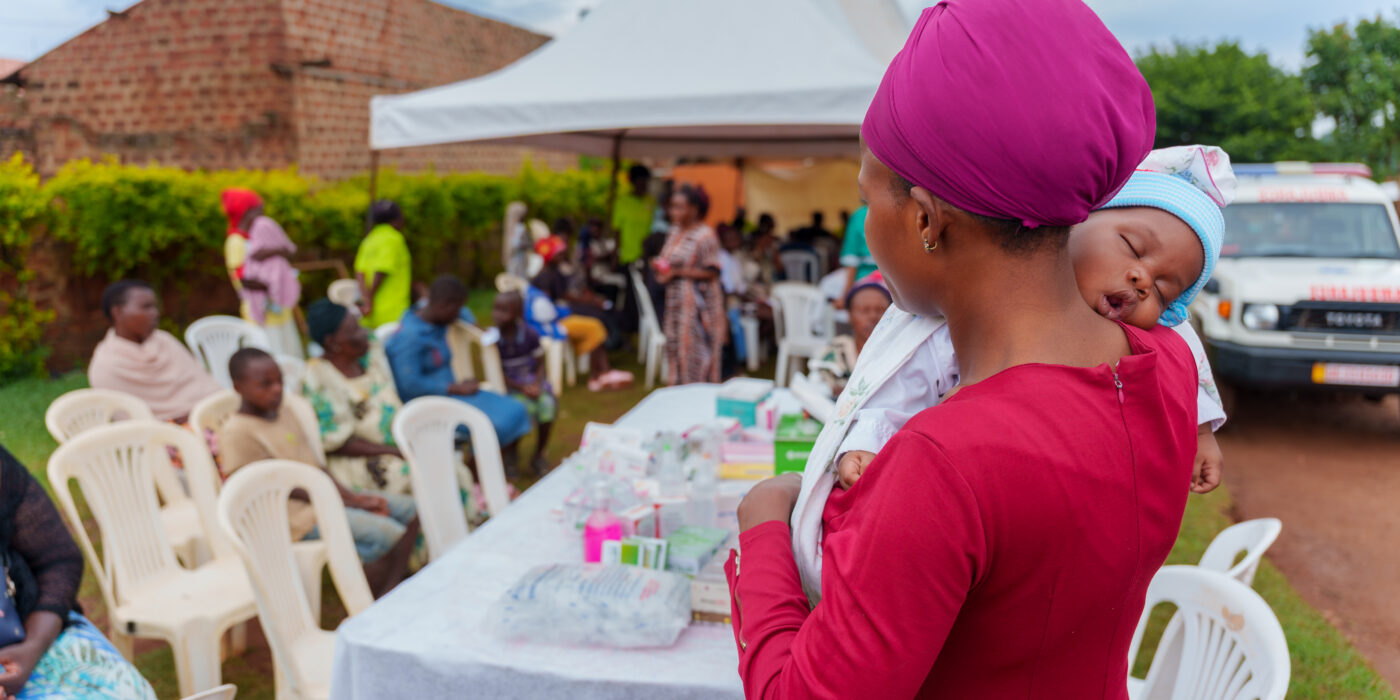
Source: Nama Health Impact, Uganda
UGEAFI in DRC
AIDN spoke to Sandra Butoto, Chief Operating Officer of UGEAFI, in DRC.
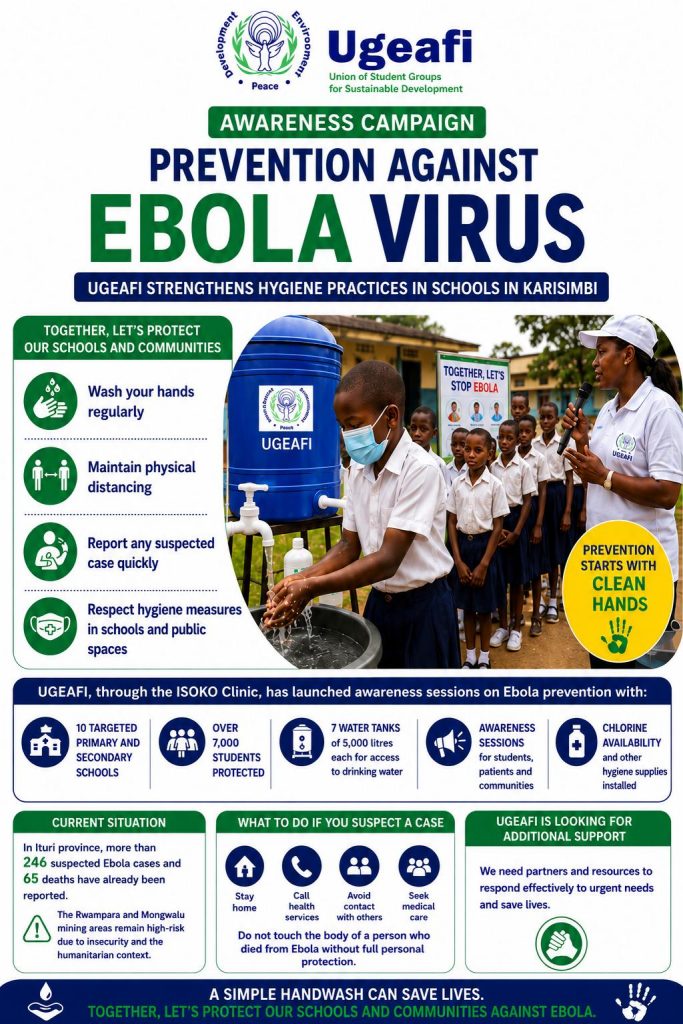
Source: UGEAFI, DRC
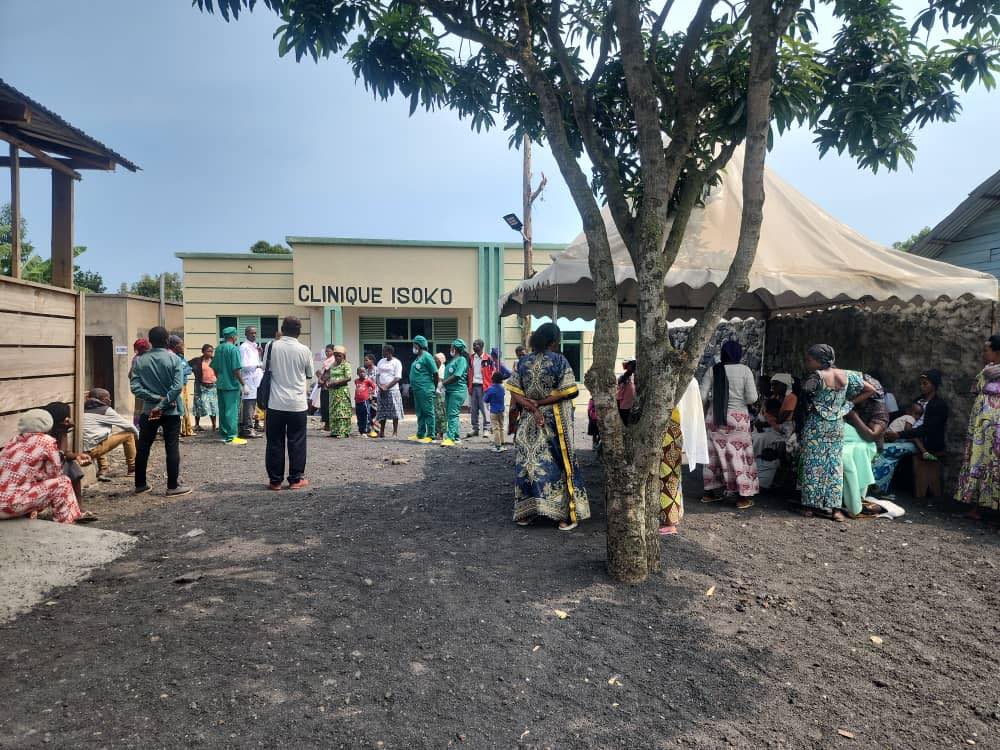
UGEAFI is a local humanitarian organisation operating across Goma (North Kivu) and Rwampara (Ituri), two of the areas most severely affected by the current Ebola outbreak. Through their ISOKO Clinic in Goma and a network of WASH and community health interventions, UGEAFI is responding to the crisis.
Sandra explained: “At the moment, some of the biggest challenges we are facing on the ground are the lack of sufficient PPE for frontline workers and the urgent need for stronger Ebola awareness campaigns across communities. Prevention education needs to happen at every level from schools and institutions to villages, churches, and local community groups to help stop the spread of the virus before more lives are affected.
We currently operate a clinic in Goma, however we do not yet have a dedicated isolation space for suspected or infected patients, which means we must transfer critical cases to larger hospitals. At the same time, we are also witnessing a surge in cholera cases, largely linked to poor sanitation conditions.
As part of our response efforts, we produce chlorine for disinfection and distribute it to hospitals and schools to support infection prevention measures. If you know of any organisations or institutions in Congo that may need chlorine we would be more than happy to support them.”
You can find out more about UGEAFI here or contact Sandra at ugeafi@yahoo.fr
NB: UGEAFI is a partner of Myriad Australia. Australian donors can support UGEAFI or make tax deductible donations through Myriad Australia’s DRC Ebola Appeal here.
Additional campaigns and appeals
🌍 Australia for UNHCR are currently seeking emergency support to help protect already fragile refugee and displaced communities in DRC during the Ebola crisis. Teams are on the ground right now in the DRC working with the authorities, local partners and refugee health volunteers to raise awareness of Ebola prevention and hygiene practices among people forced to flee and their host communities.
Support Australia for UNHCR here now.
🌍 ActionAid Australia has launched an emergency appeal to raise urgent funds for ActionAid’s response to the Ebola outbreak in the DRC. ActionAid has been running programmes in the affected Ituri province for years, with ActionAid teams and local partners already on the ground coordinating an emergency response focused on women and girls who are most at risk of the disease, as they take on caregiving responsibilities at home.
Support ActionAid Australia here now.
Is your organisation also helping to fight Ebola in DRC and Uganda? Please contact hannah@aidnetwork.org.au if you would like your appeal or campaign listed here now.
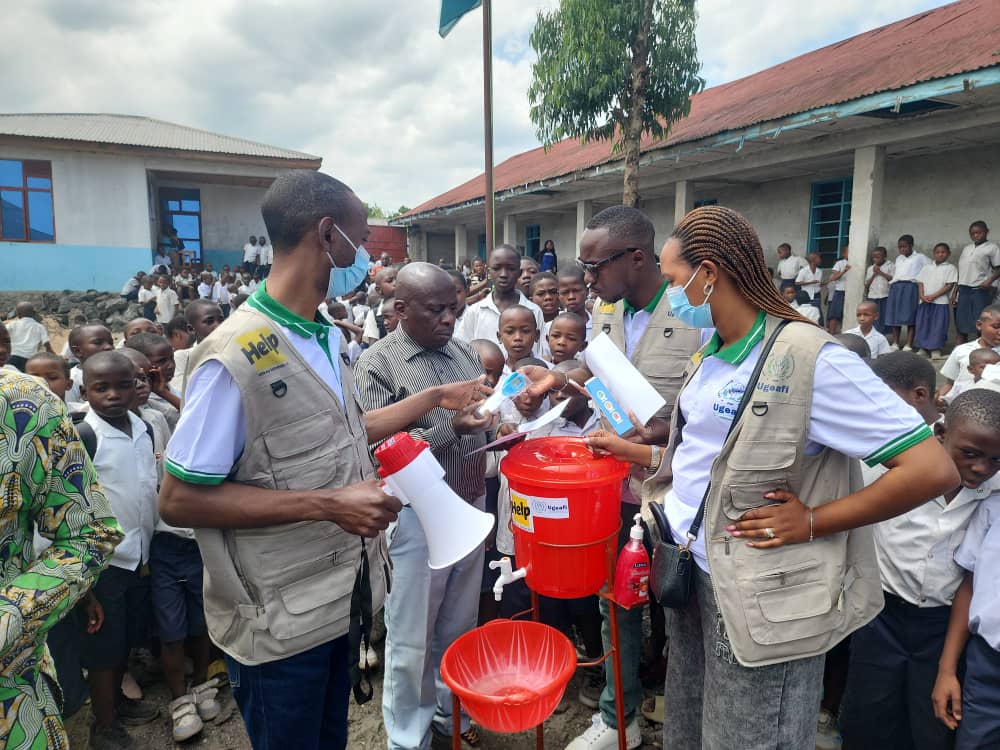
Feature image source: UGEAFI, DRC
Feature image source: UGEAFI, DRC