Trust-based philanthropy has gained momentum in sophisticated philanthropic circles globally over the past decade. Representing broader shifts in international development away from paternalistic top-down models and towards local leadership, trust-based philanthropy can be defined in practical terms: through unrestricted grants, reduced red tape and lowered reporting requirements for program implementers. But what does trust-based philanthropy really mean for the funder/doer relationship? And how is that mythical “trust” actually built in the first place?
Since launching The Cova Project in 2019, I’ve found that trust-based philanthropy requires something fundamentally different from the traditional funding model that has dominated the non-profit sector. It requires genuine connection. And it requires donors willing to step back from the role of decision-maker and into the role of partner. In turn, this often leads to relationships defined by transparency and the open sharing of organisational challenges with donors.
The distinction might seem subtle, but its implications are profound. The difference lies in a concept borrowed from venture capital: backing the jockey, not the horse. In private equity and venture capital, investors understood something decades ago that philanthropy is only now catching up to. You back the founder because they are the one with vision, with commitment, with the drive that comes from true purpose. They are the ones who will make sacrifices to drive the success of the organisation. You assess their character, their conviction, their ability to navigate obstacles. Then you trust them to do what they were built to do.
In much of traditional philanthropy, the relationship operates differently. With the best intentions, donors often shape their giving around specific project outcomes and predetermined frameworks. They become stewards of particular initiatives rather than believers in the organisations leading the work.
The problem with this approach is not always visible in quarterly reports. It manifests in subtler, more damaging ways. When an organisation knows that sharing challenges with a funder could jeopardise future funding, they stop sharing challenges altogether. They polish the narrative. They hide the messy reality of solving complex problems. They chase metrics instead of mission. And donors end up sitting across the table from organisations who are trained to tell them only what they want to hear. Polished presentations end up being mistaken for actual progress.
This power imbalance is the invisible architecture that shapes so much of traditional giving. It is not intentional, and it is not always obvious. But it fundamentally alters the relationship between funder and organisation from one of partnership to one of hierarchy.
Mackenzie Scott, the philanthropist and former Amazon executive, has become perhaps the most visible champion of trust-based giving in recent years. Rather than directing organisations toward pre-determined outcomes, Scott has given away billions of dollars with remarkably few strings attached. She has publicly stated that she trusts the leaders of organisations to know what their communities need better than she does. In interviews, she has explained that her role is not to shape organisations in her image, but to amplify the work that is already happening.
We have been lucky enough to find an analogous relationship with philanthropist Anne Pike, one of the founders of the Roberts Pike Foundation, at The Cova Project. The Cova Project was founded with the simple conviction: period poverty should not determine a girl’s future. Nearly eight years later, we have distributed over 46,000 menstrual cups across Liberia, Ghana, Uganda, and Australia, transforming access to menstrual health for thousands of young women.
Anne’s giving philosophy is instructive: ‘Givers shouldn’t be determining how an organisation uses their donation. They’re not experts. They don’t have the solutions and they’re not doing the work. If they want to support an organisation, let that organisation determine what to do with the donation. Using a donation to pay for something mundane like the electricity bill or admin costs might be precisely what’s needed.’
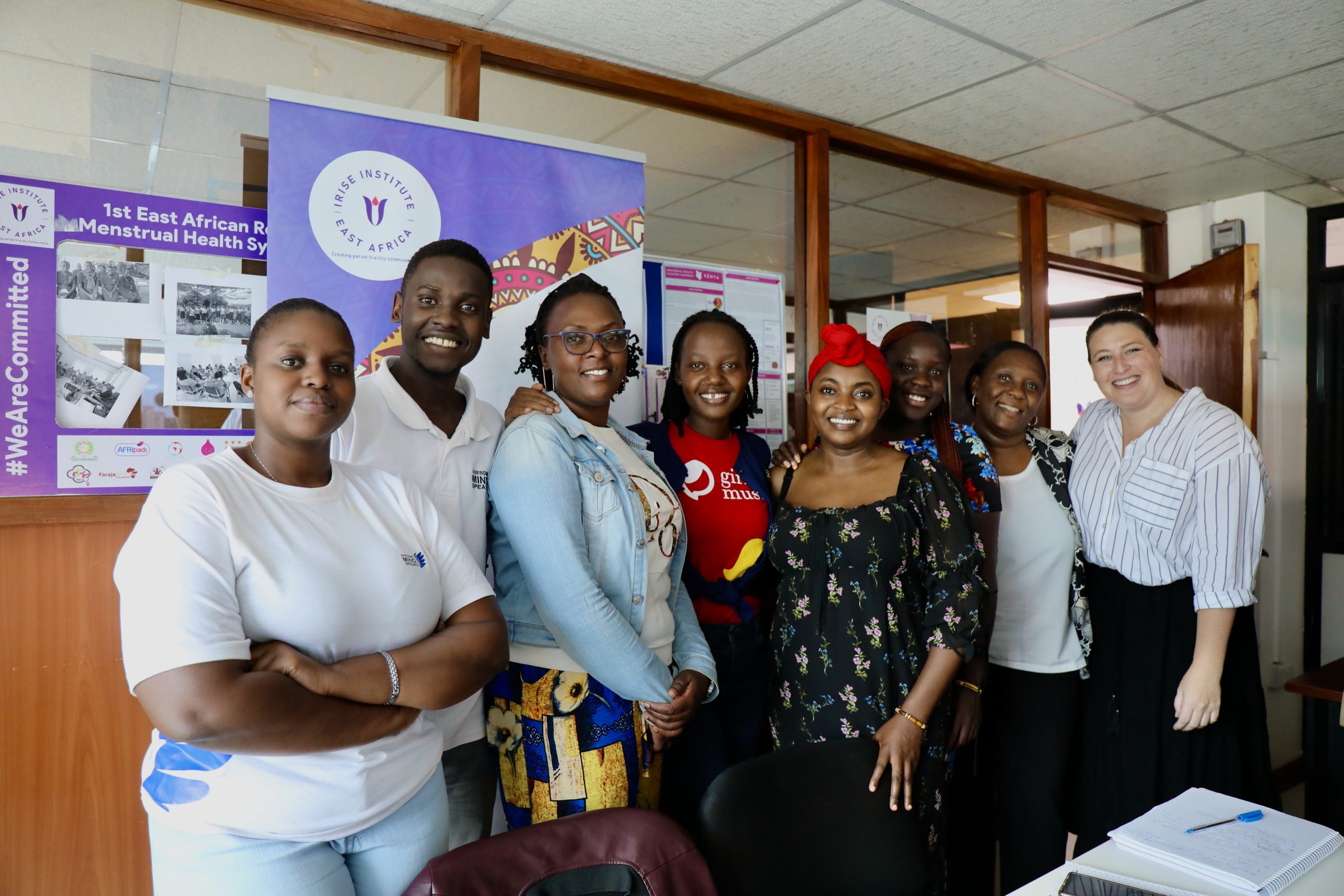
The Cova Project with Ugandan partners: Irise, Awesome Minds Speak, Period Equity Africa and Girl’s Must.
Another defining part of the Roberts Pike Foundation’s brand of trust-based philanthropy is their measured approach to organisational success – but also challenges. As a funder of The Cova Project, Anne sits down and says, ‘Tell me everything that’s going on. The good, the bad, the ugly. Tell me the truth’. In turn, this has led to really honest and in-depth conversations about our work. Who’s doing what. What challenges we’ve come up against. How we’ve overcome them. This is the inverse of the typical dynamic. Rather than challenges triggering concern, they become evidence of the organisation’s capacity to navigate complexity.
Buried within this approach is an important insight in trust-based philanthropy. For many funders, giving is not just about ROI, it is about amplifying human experience. It is about trying to ensure that more people get a fair shot. It is, at its core, a deeply human endeavour – where intuition, trust and relationship building is at the core. Done well, both giver and receiver benefit. This brings us to a crucial question for donors considering a shift toward trust-based giving: how do you actually do it?
The answer is not to abandon due diligence. In fact, the opposite is true. Trust-based giving requires more rigorous assessment, not less. But that assessment looks different. Start with genuine digging. Look at the organisation’s financials, absolutely. Understand how money flows and whether systems are in place. But then ask different questions.
What decisions has this organisation made that reflect their values? How do they talk about their community? Are they in service to their beneficiaries, or are beneficiaries in service to their metrics? What do staff members say about working there?
Then assess values alignment. Does the way this organisation thinks about change align with how you think about change? Do they understand the importance of sustainability? Are they attempting to solve root problems or stick Band-Aids on systemic issues that look good now?
Finally, commit to knowing the jockey. Who is leading this organisation? What is their conviction? What is their track record of navigating complexity? If this organisation faced unexpected challenges, if their community asked them to pivot in a direction they did not anticipate, how would they respond? Would they respond in a way that would make you proud?
Once you have made that assessment and decided to invest, the relationship changes. You get to be part of something real, something honest, something that actually serves the communities it aims to. You stop being an overseer and become a partner. You ask questions not to test but to understand. You share challenges not with alarm but with genuine partnership.
And this is important because, as Anne herself explains, ‘it is through listening and learning to those who know and understand that leads to the profound realisation that that small, simple menstrual cup can be totally life changing. It makes lives better. The complete joy for me of being part of a movement like The Cova Project is knowing that we are making lives better in some of the most vulnerable communities across Africa.’
 Geena Dunne is the founder/CEO of Australian charity, The Cova Project, which combats period poverty in Liberia, Ghana, Uganda and Australia. She is also a co-founder of Women Who Innovate which brings together Australian women leading the charge across tech, impact, sports, business and culture. A finalist in the Telstra Best of Business Awards, Women’s Agenda Leader Awards, Blockchain Australia’s Diversity and Inclusion Leader of the Year Award and Silver in the “Global Impact” category of the Women Changing The World Awards, Geena does everything in her power to accelerate women and make the world a more equitable place.
To learn more about The Cova Project head to: https://www.thecovaproject.com/
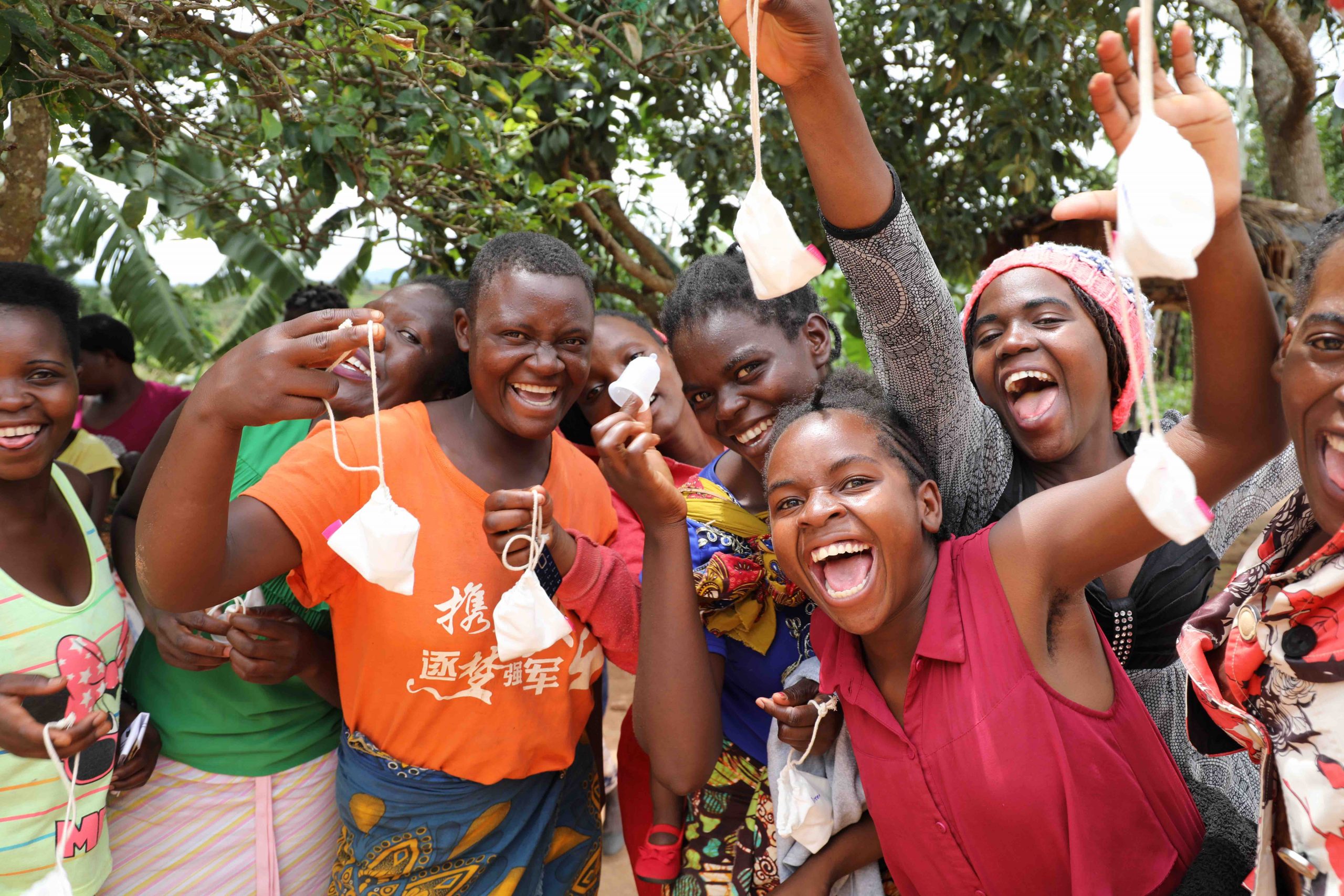
Feature image caption: Girls receiving menstrual cups and The Cova Project’s menstrual health education program.